Beer styles
The world's beer styles by family, colour and country, each with its strength, bitterness, colour and classic examples.
A beer style is a family resemblance: beers brewed with similar ingredients and methods that taste alike. Each style page gives the numbers that define it (alcohol, bitterness, colour), how it tastes, where it comes from and which beers show it best. Start from a family, a colour or a country.
Lagers
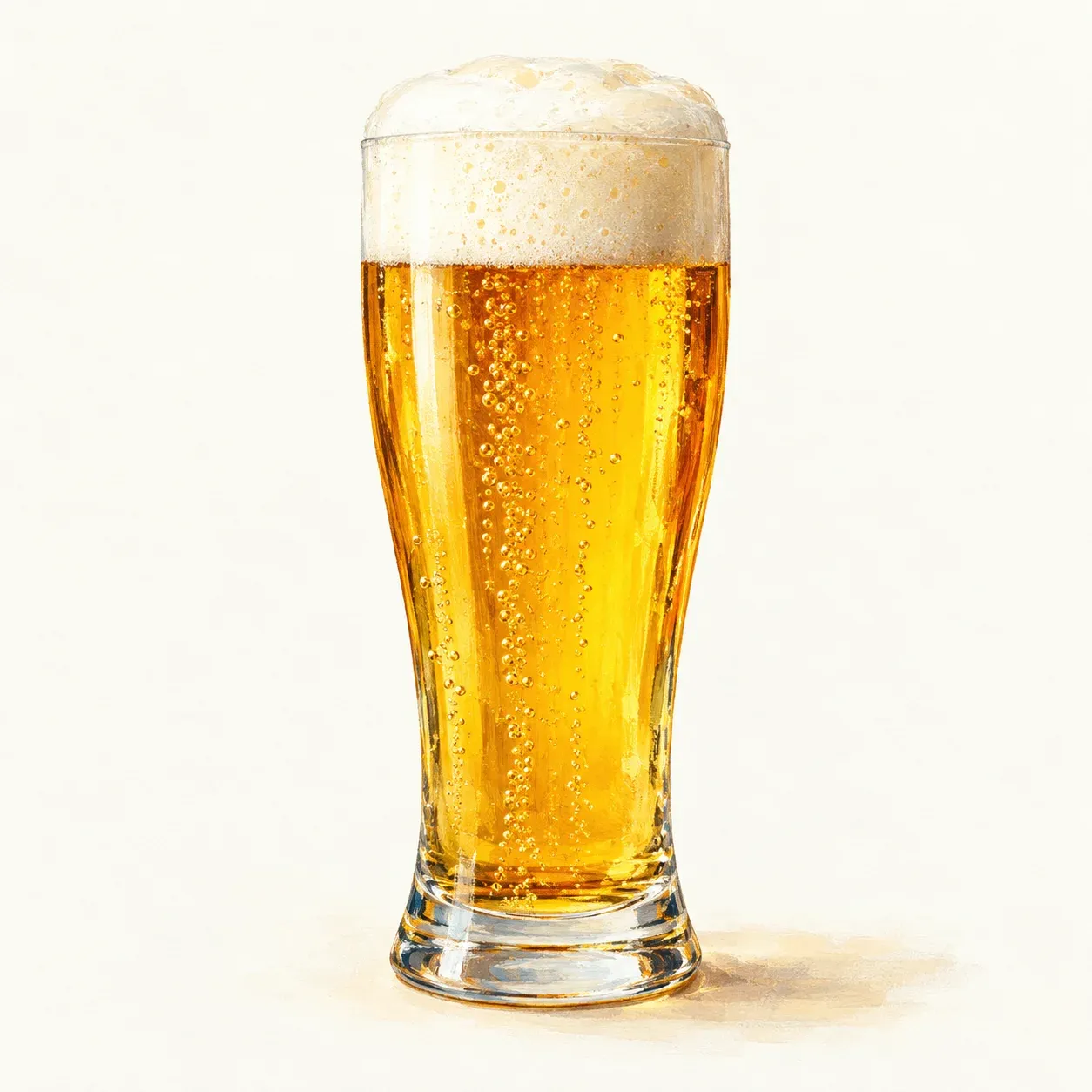
Czech Pilsner
LagerCzech Pilsner: a gold lager with bready malt and a soft, spicy hop bitterness, first brewed in Plzeň in 1842. Strength, bitterness, glass and classic examples.
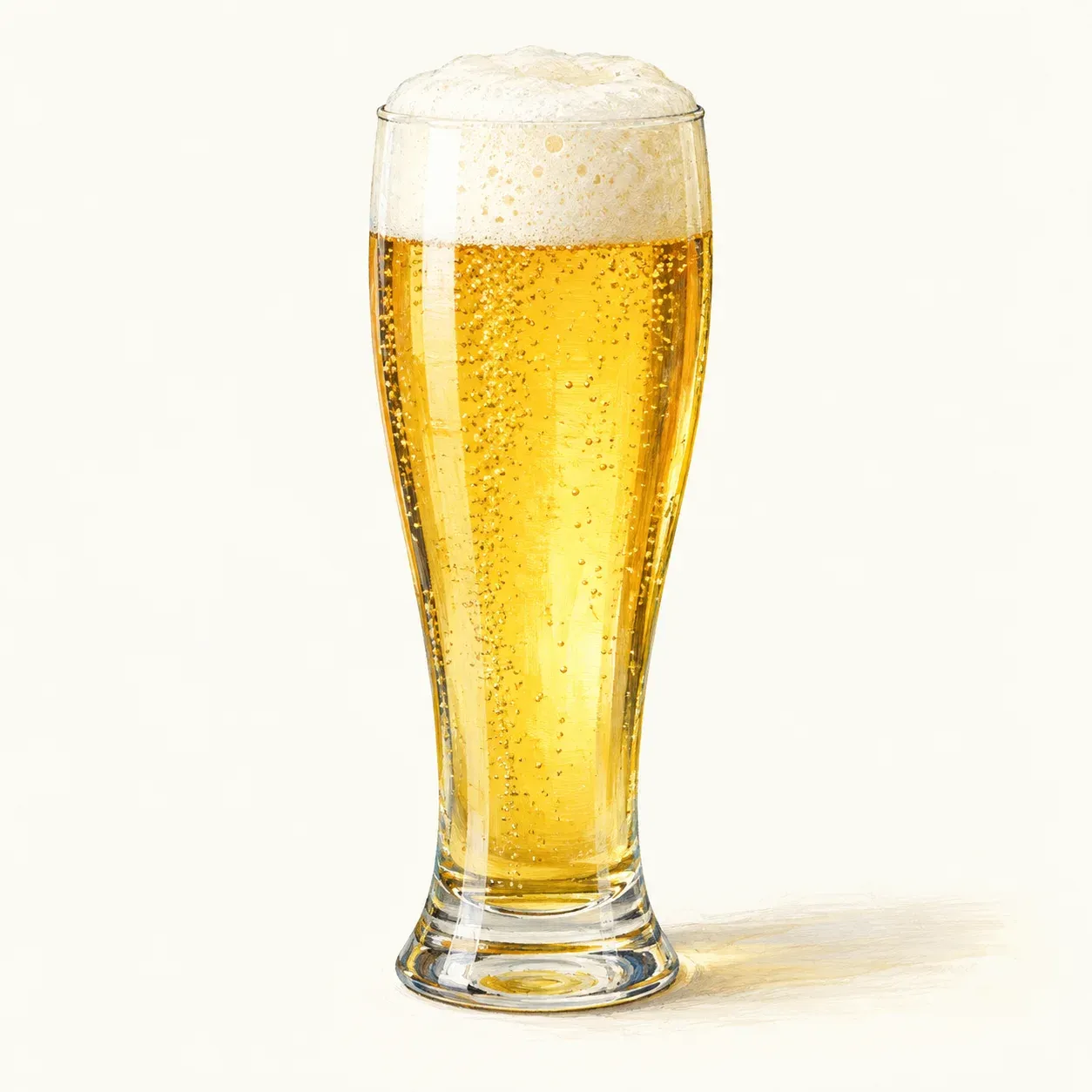
German Pils
LagerGerman Pils: a pale, dry, bitter lager with a bright hop aroma, adapted from the Czech original in the 1870s. Strength, bitterness, glass and classic examples.
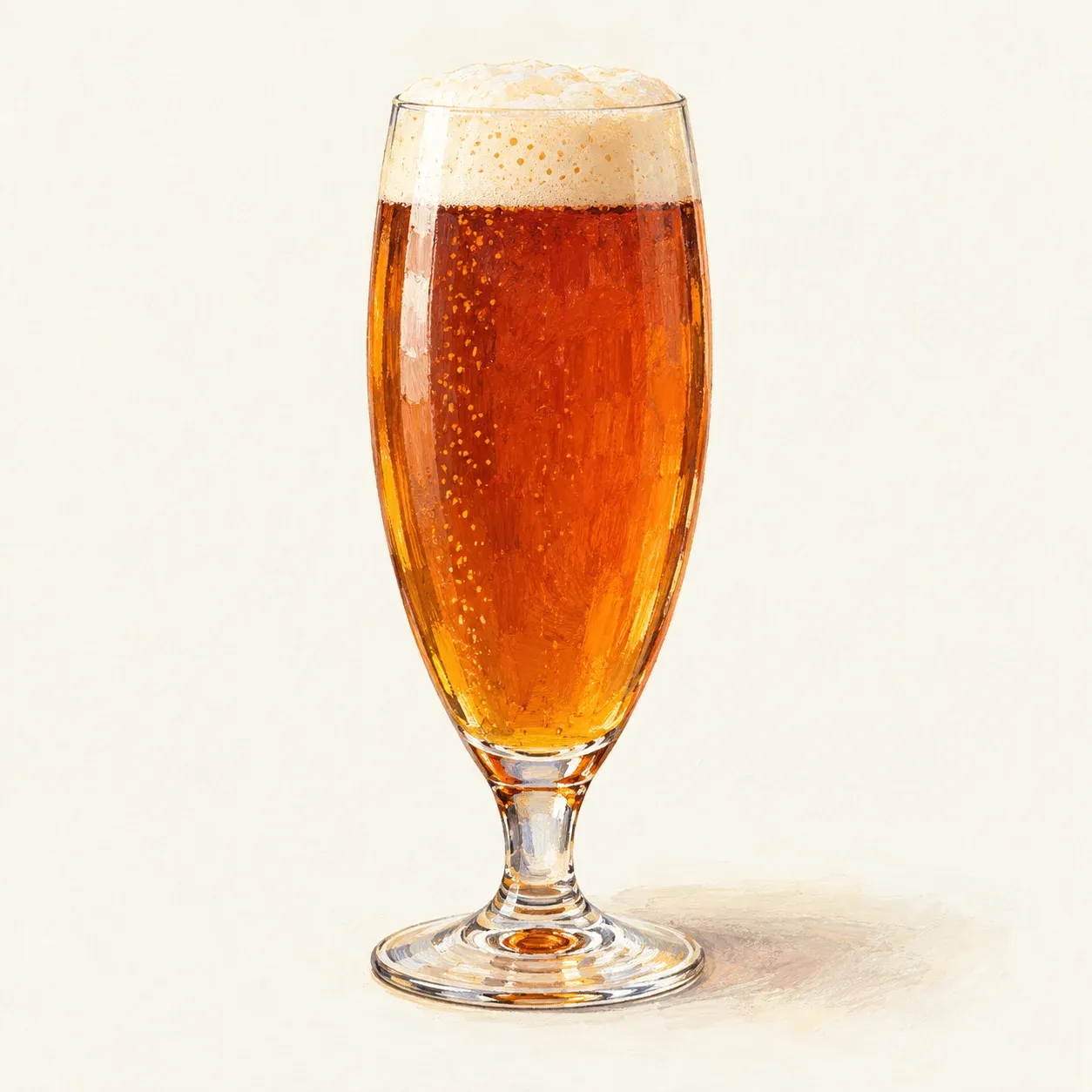
Märzen
LagerMärzen: an amber German lager with rich, toasty malt and a dry finish, brewed in March and served at Oktoberfest until 1990. Strength, bitterness, glass and examples.
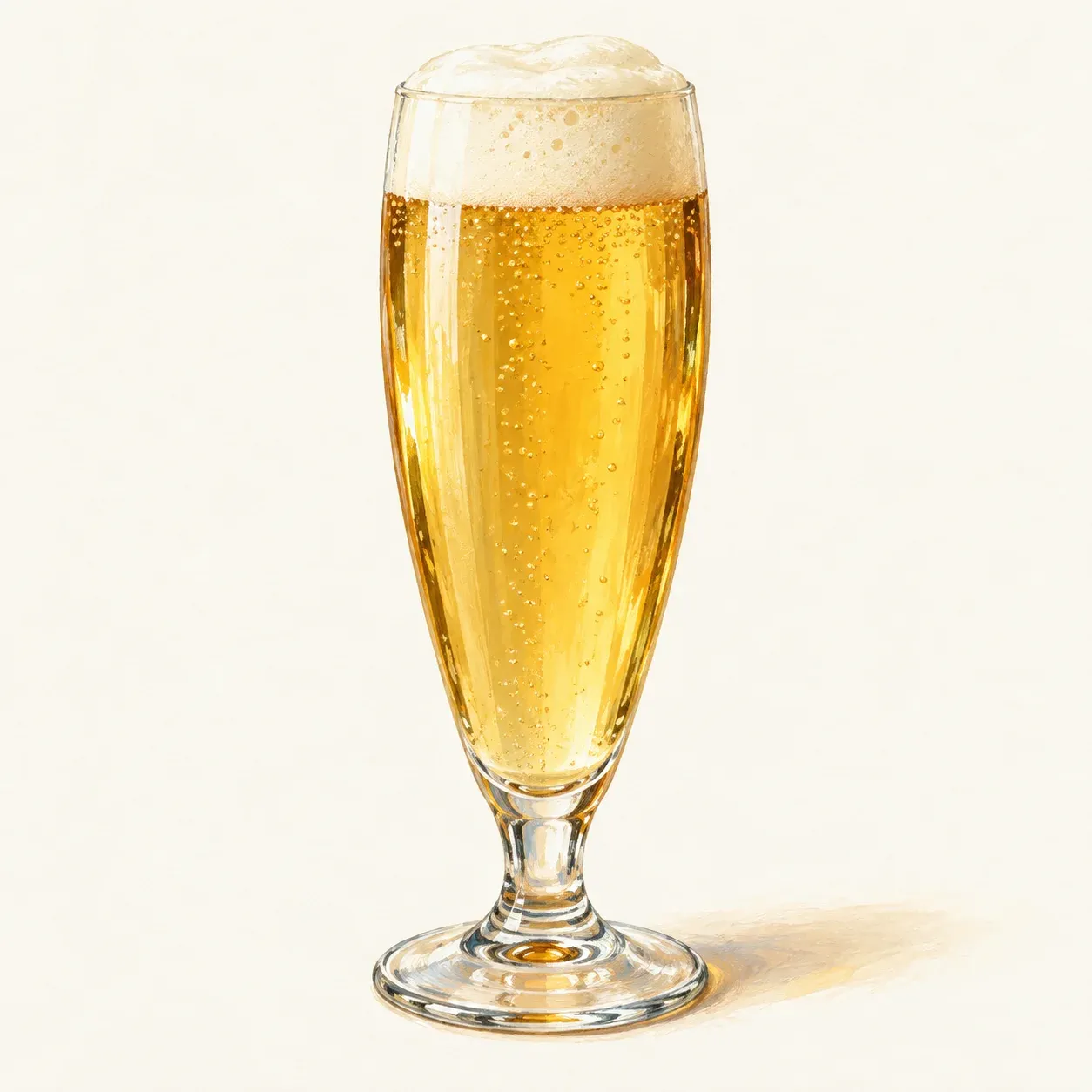
Munich Helles
LagerMunich Helles: a gold Bavarian lager, soft and malty with a dry finish, created in Munich in 1894. Strength, bitterness, glass and classic examples.
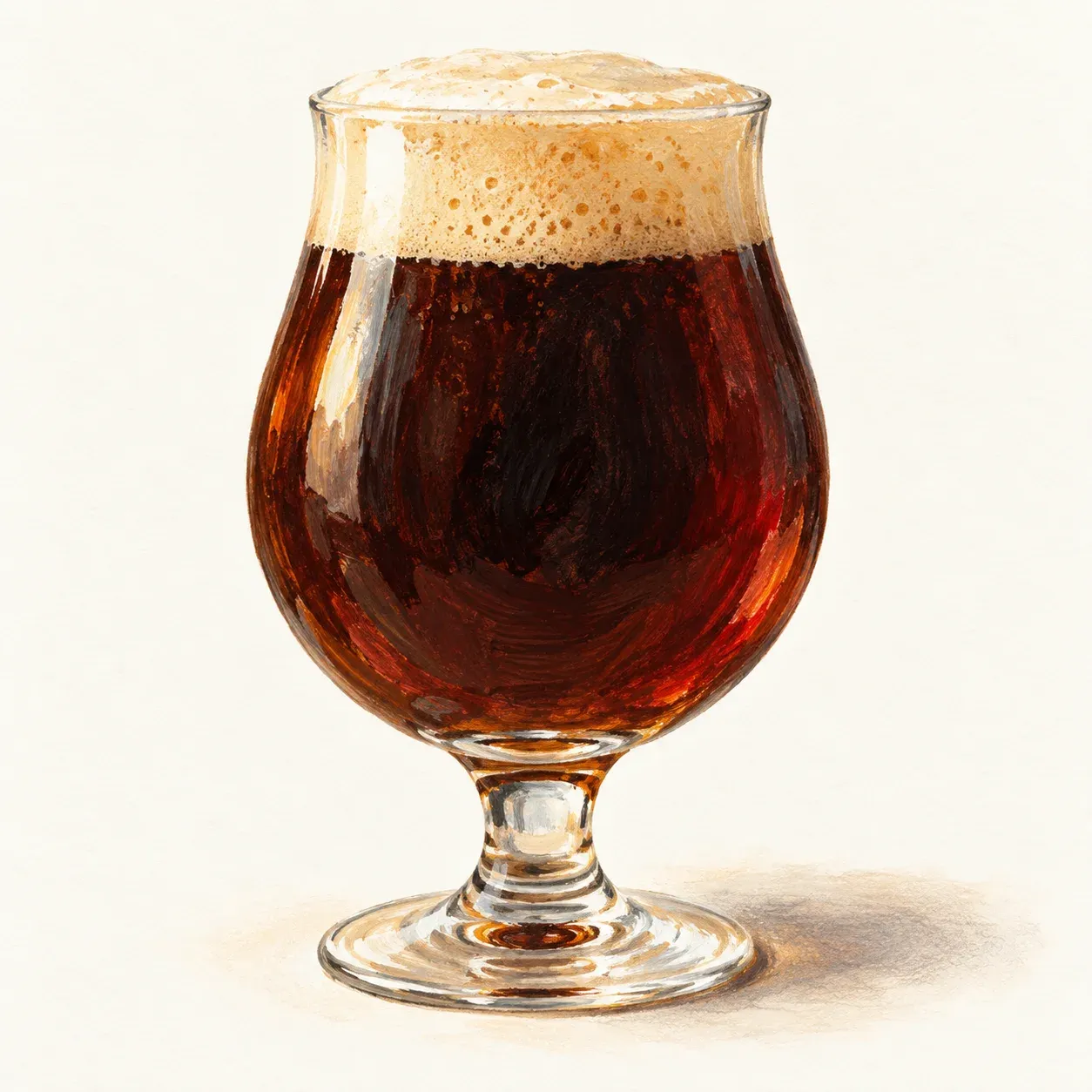
Doppelbock
LagerDoppelbock: a strong, rich, malty Bavarian lager, the 'liquid bread' Munich monks drank in Lent. Strength, bitterness, glass and classic examples.
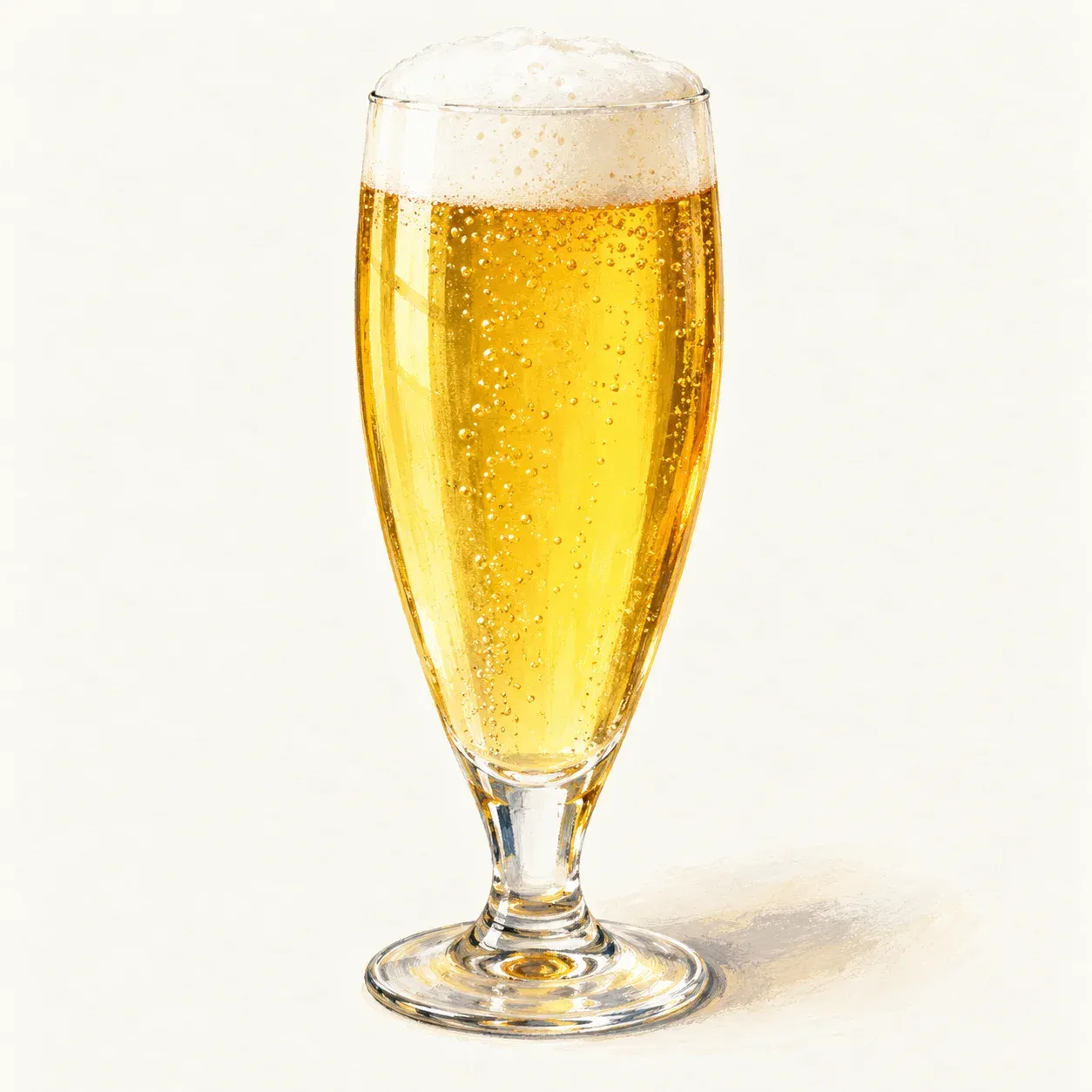
International Pale Lager
LagerInternational pale lager: the clean, crisp, pale and fizzy lager brewed by large breweries around the world. Strength, bitterness, glass and classic examples.
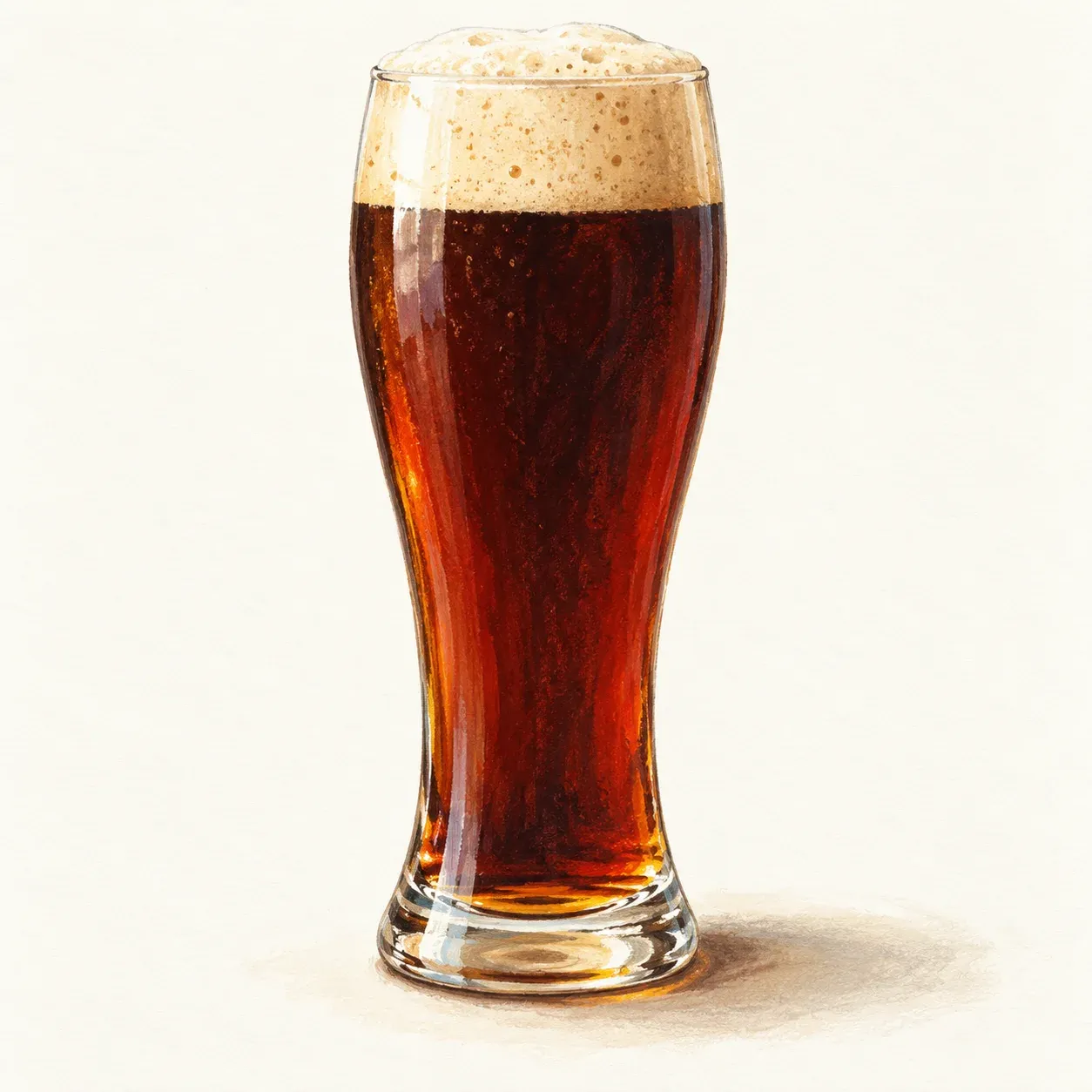
Munich Dunkel
LagerMunich Dunkel: a brown Bavarian lager with toasted, bready malt and no roast, developed at Spaten in the 1830s. Strength, bitterness, glass and classic examples.
Ales
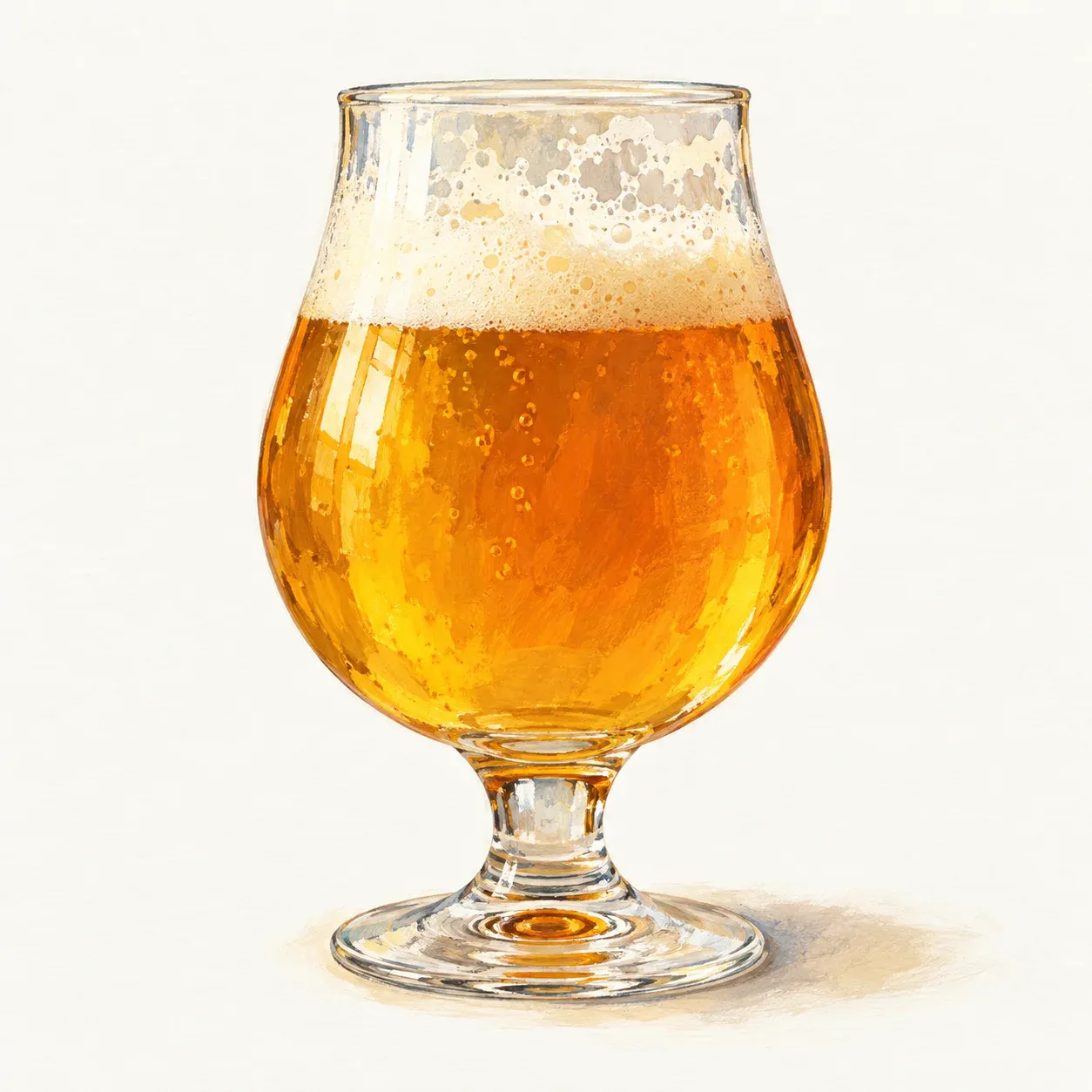
American IPA
AleAmerican IPA: a strong, bitter pale ale built around American hops, from citrus and pine to tropical fruit. Strength, bitterness, glass and classic examples.
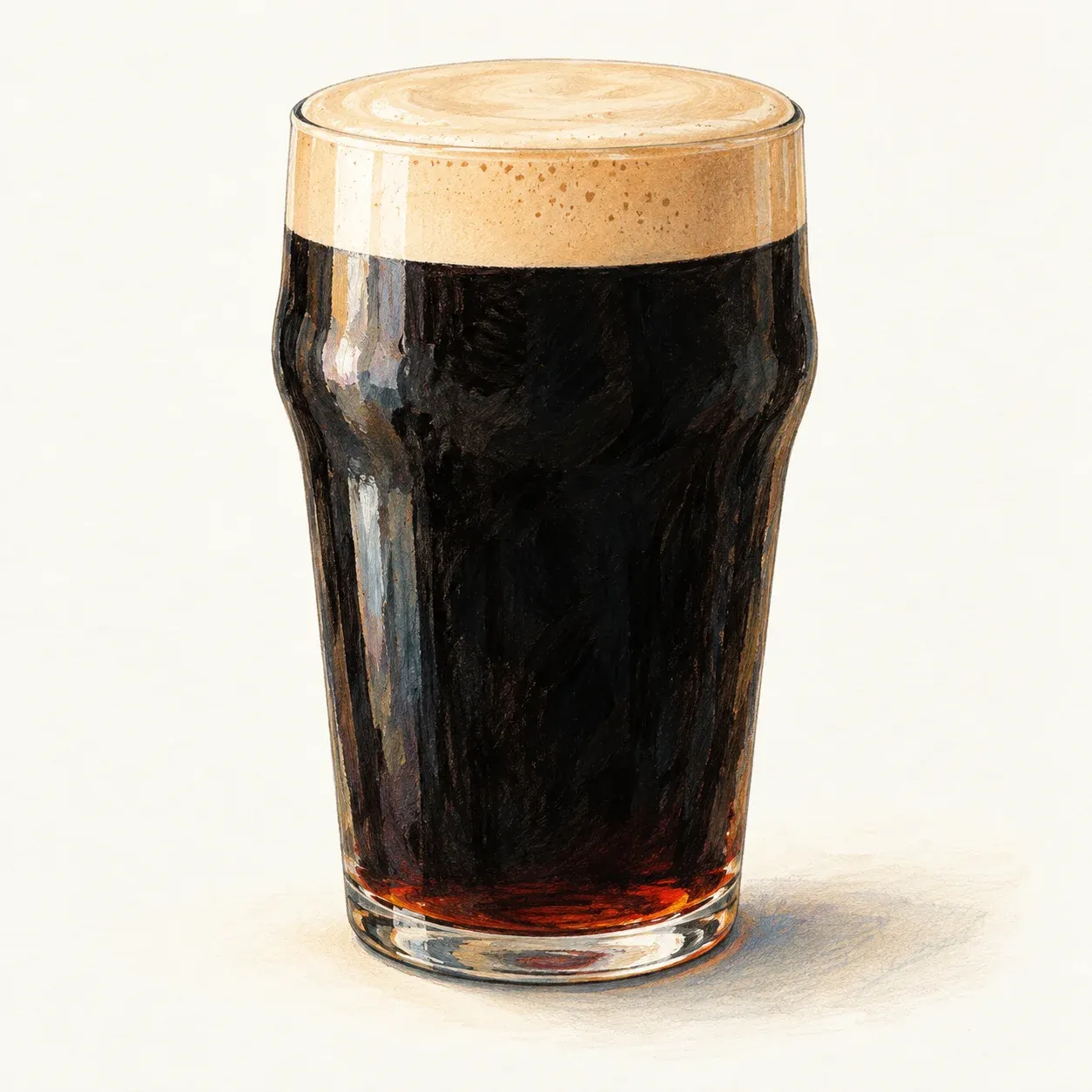
Irish Dry Stout
AleIrish dry stout: a black, roasty, bitter ale with a coffee note and a creamy head on draught, the style of Guinness. Strength, bitterness, glass and classic examples.
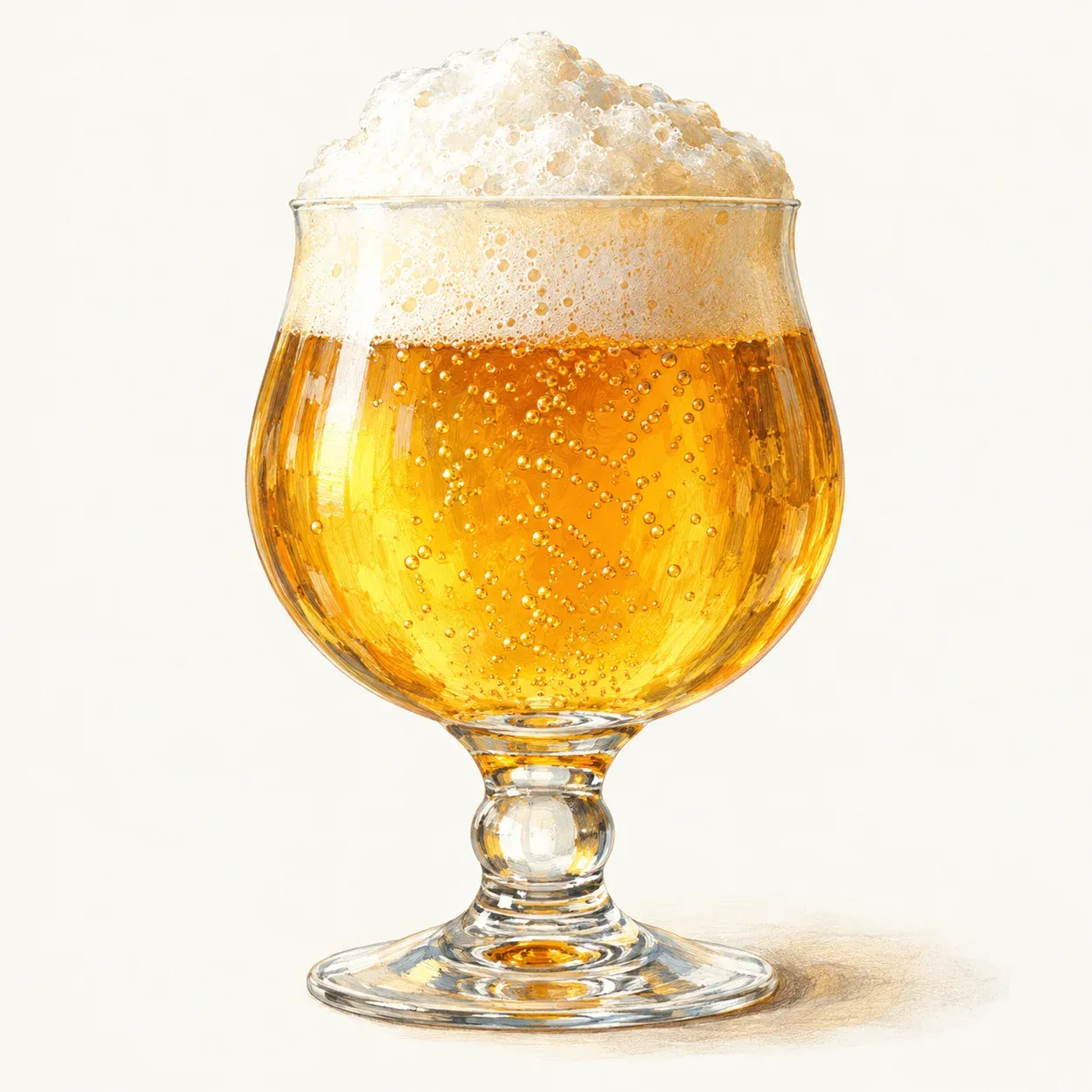
Belgian Tripel
AleBelgian Tripel: a strong, pale, dry abbey ale with spicy yeast and fruity notes, made famous by Westmalle. Strength, bitterness, glass and classic examples.
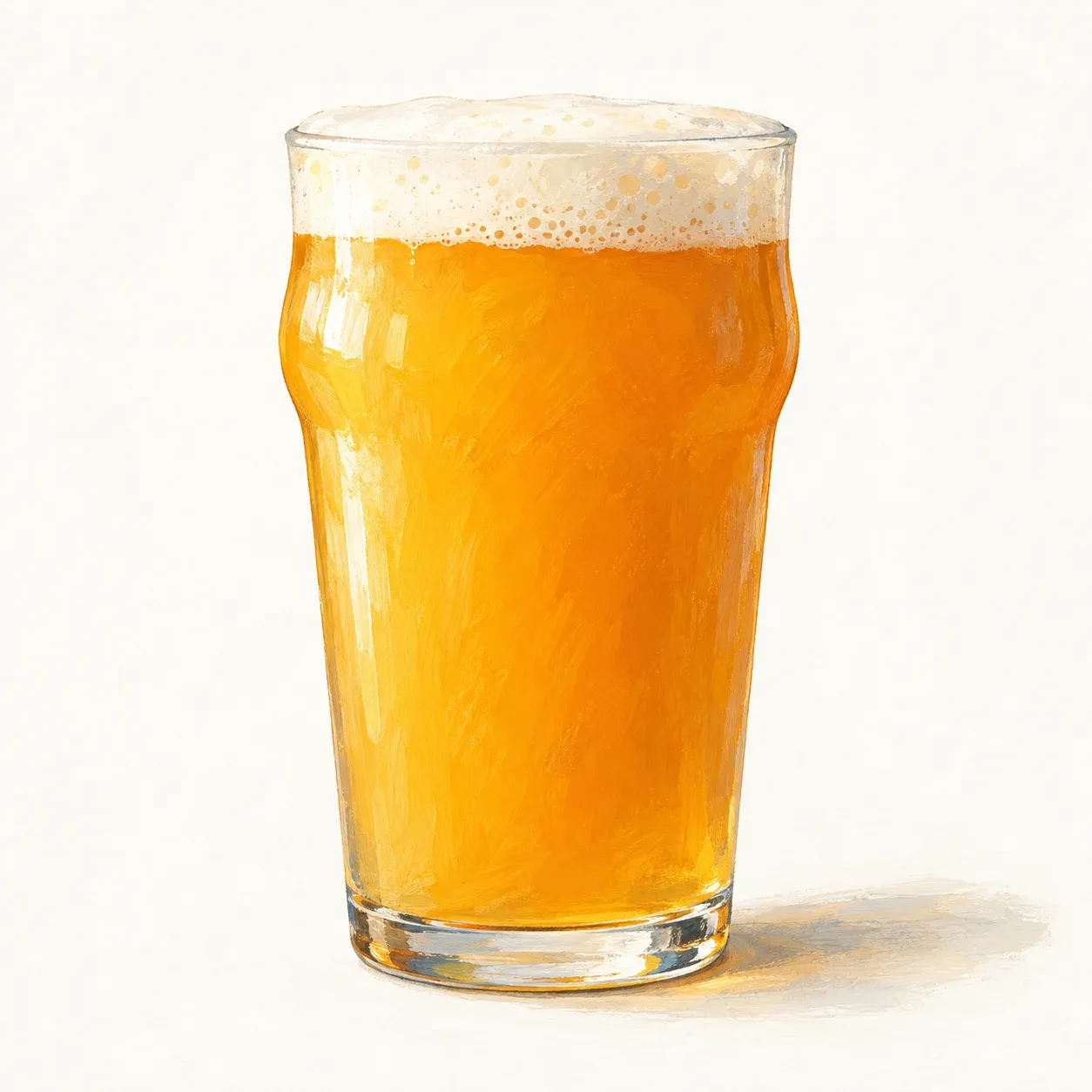
Hazy IPA (New England IPA)
AleHazy IPA, or New England IPA: a soft, juicy, hazy IPA bursting with tropical fruit from late hops, with low bitterness. Strength, glass and how it is made.
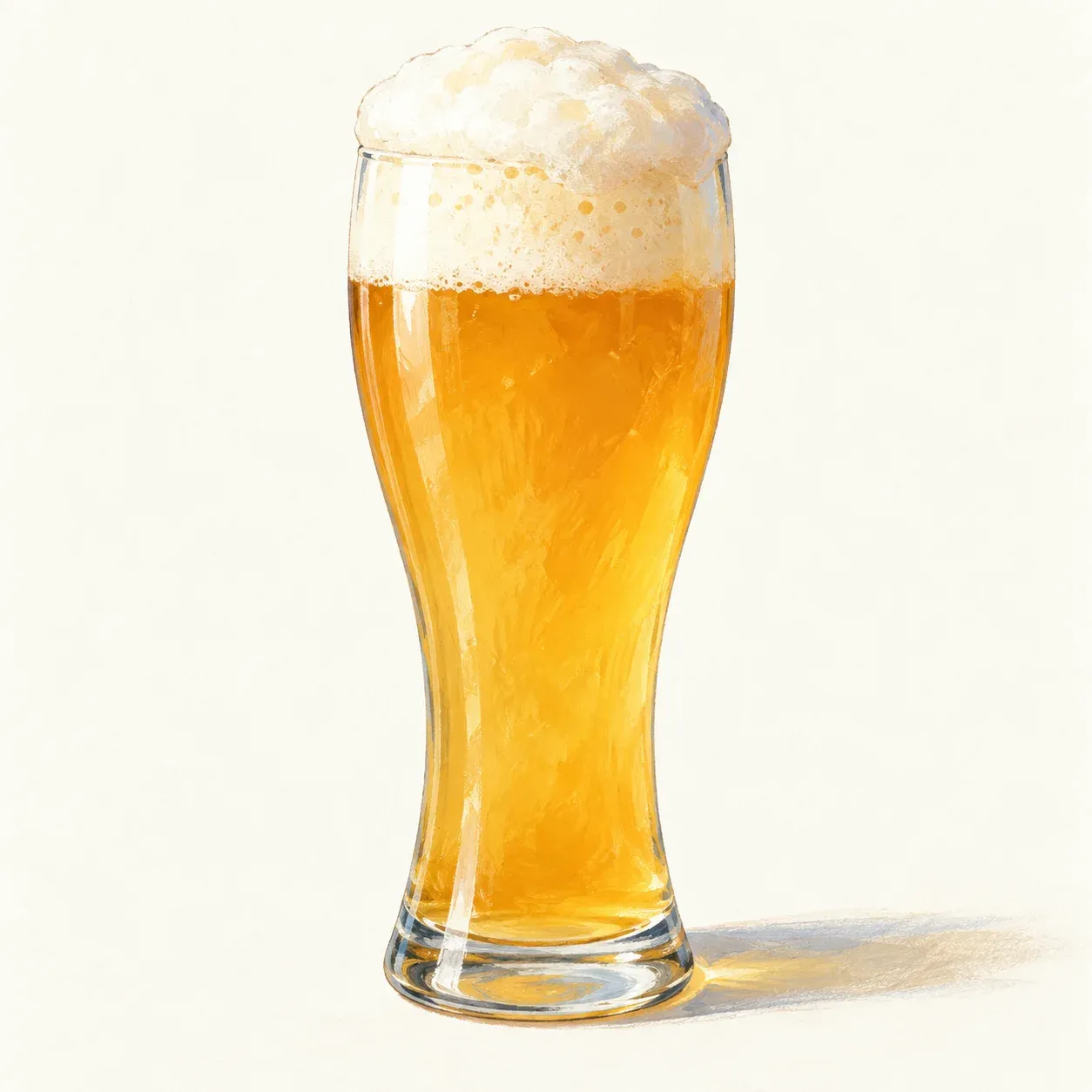
Weissbier
AleWeissbier (Hefeweizen): a pale, cloudy Bavarian wheat beer with banana and clove from its yeast and a huge fluffy head. Strength, bitterness, glass and examples.
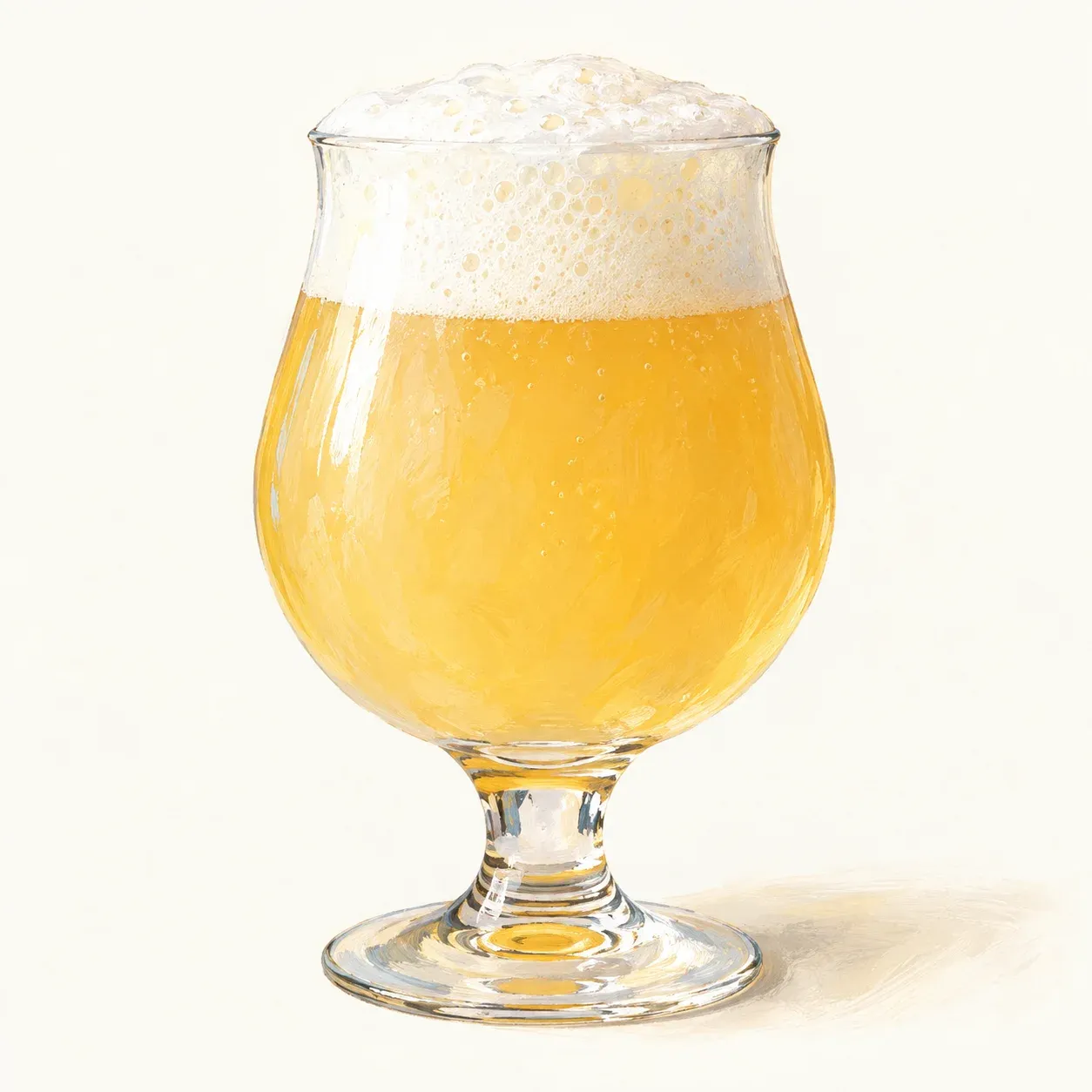
Witbier
AleWitbier: a hazy, pale Belgian wheat beer spiced with coriander and orange peel, revived by Pierre Celis in 1966. Strength, bitterness, glass and classic examples.
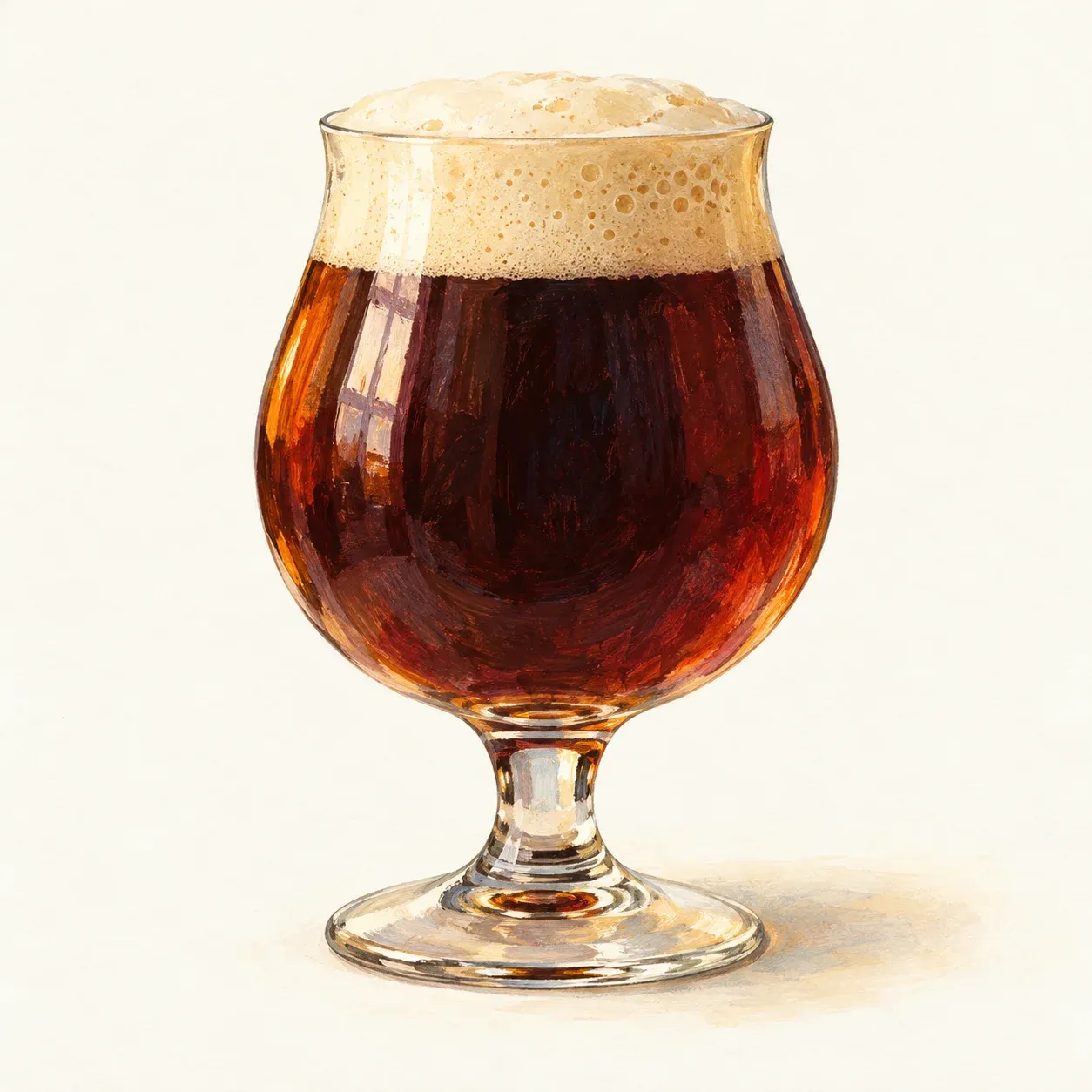
Belgian Dark Strong Ale (Quadrupel)
AleBelgian dark strong ale, or quad: a strong, rich abbey ale of dark fruit and spice, the style of Westvleteren 12 and Rochefort 10. Strength, glass and examples.
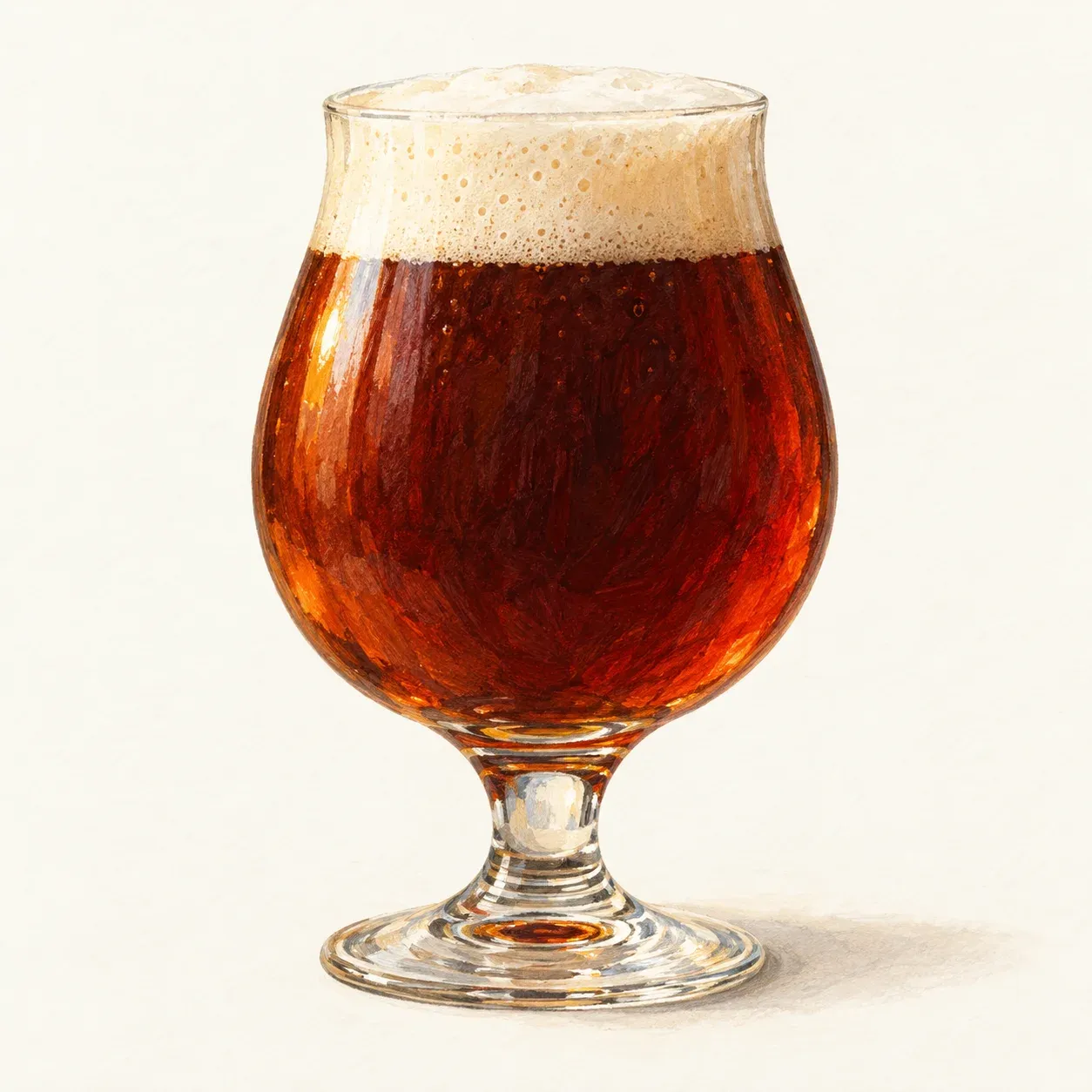
Belgian Dubbel
AleBelgian Dubbel: a reddish-copper abbey ale with rich malt, dried fruit and a dry finish, first brewed at Westmalle in 1922. Strength, bitterness, glass and examples.
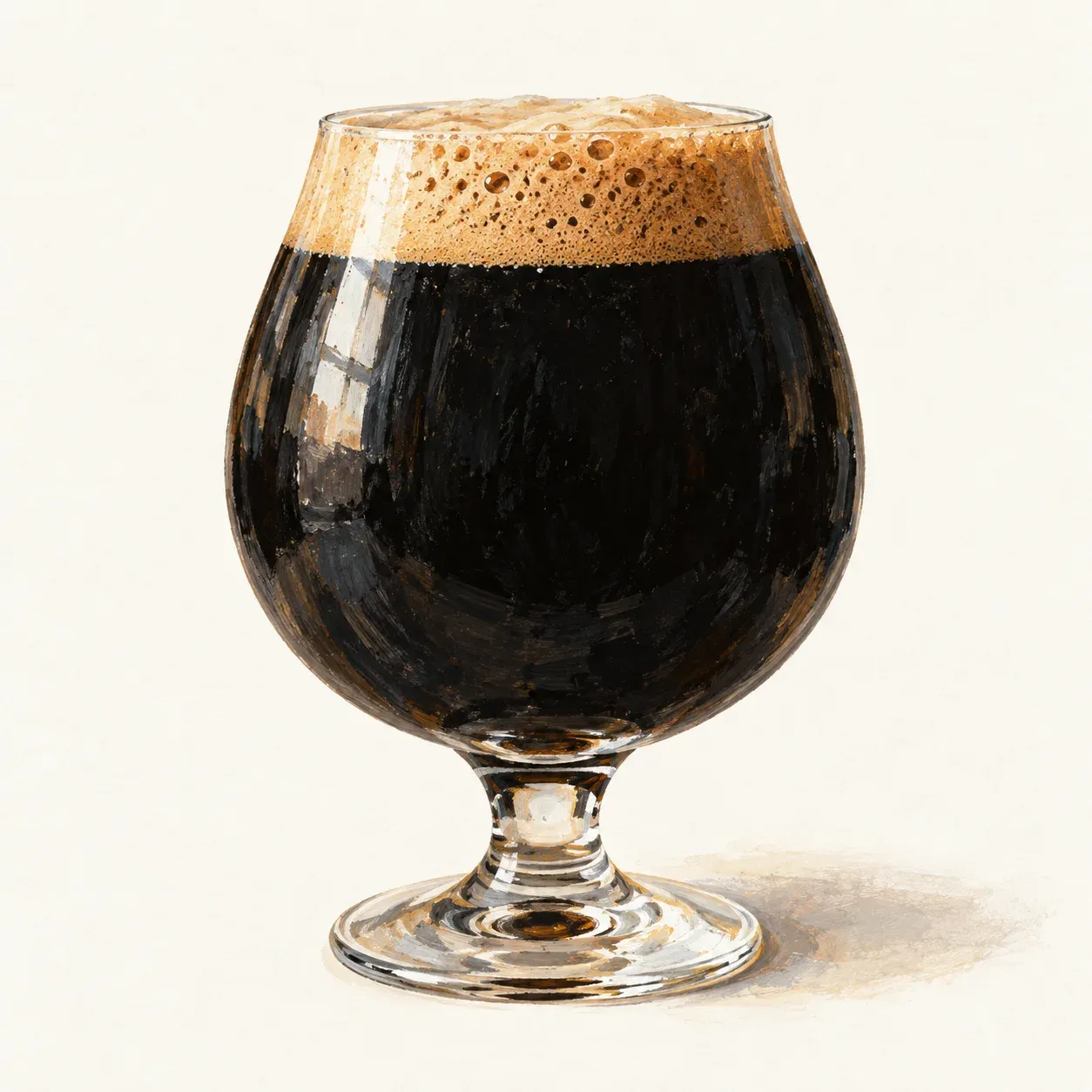
Imperial Stout
AleImperial stout: a strong, black, roasty stout with dark fruit and a warming finish, born as an export to the Russian court. Strength, glass and classic examples.
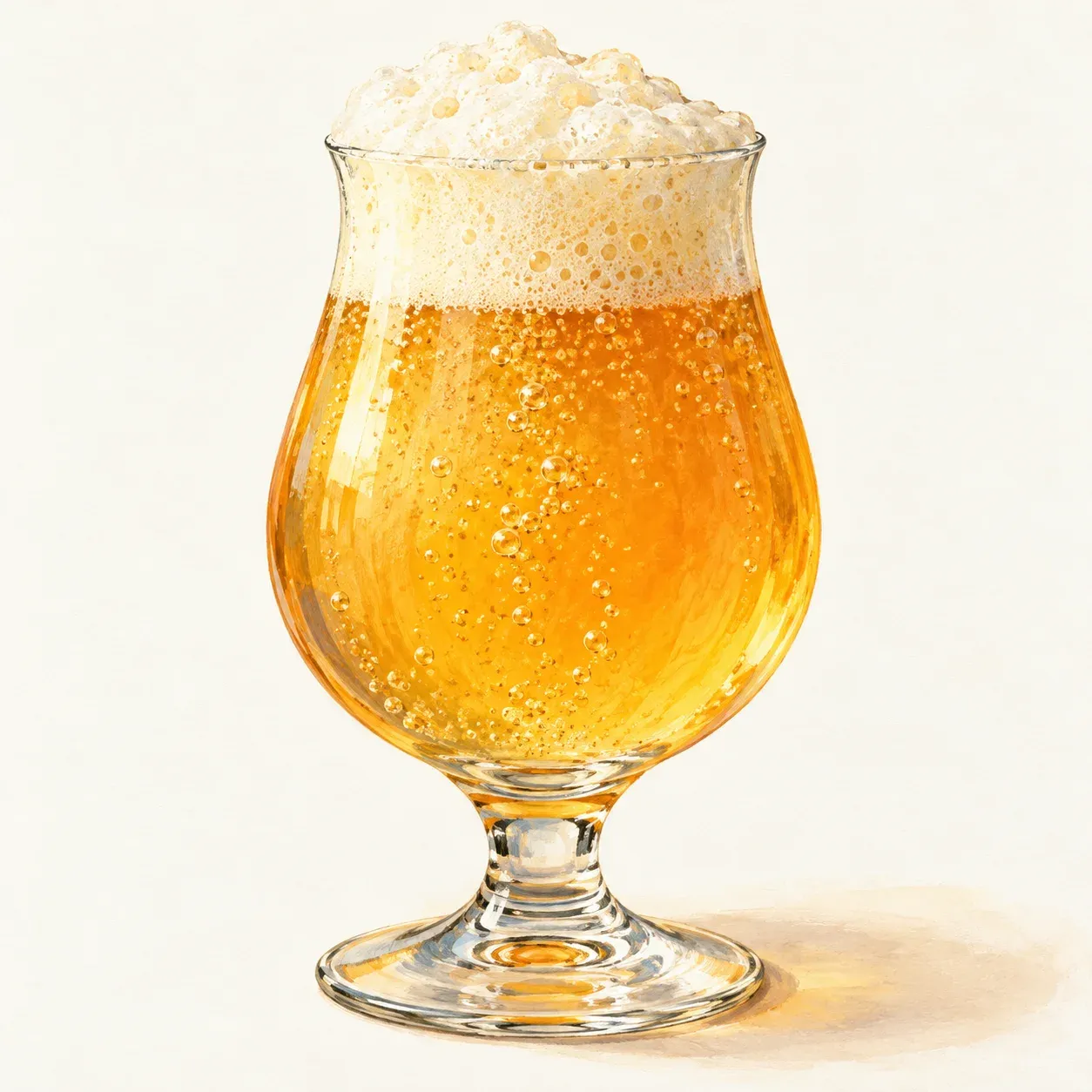
Saison
AleSaison: a dry, fizzy, peppery farmhouse ale from Wallonia, in table, standard and super strength. Strength, bitterness, glass and classic examples.
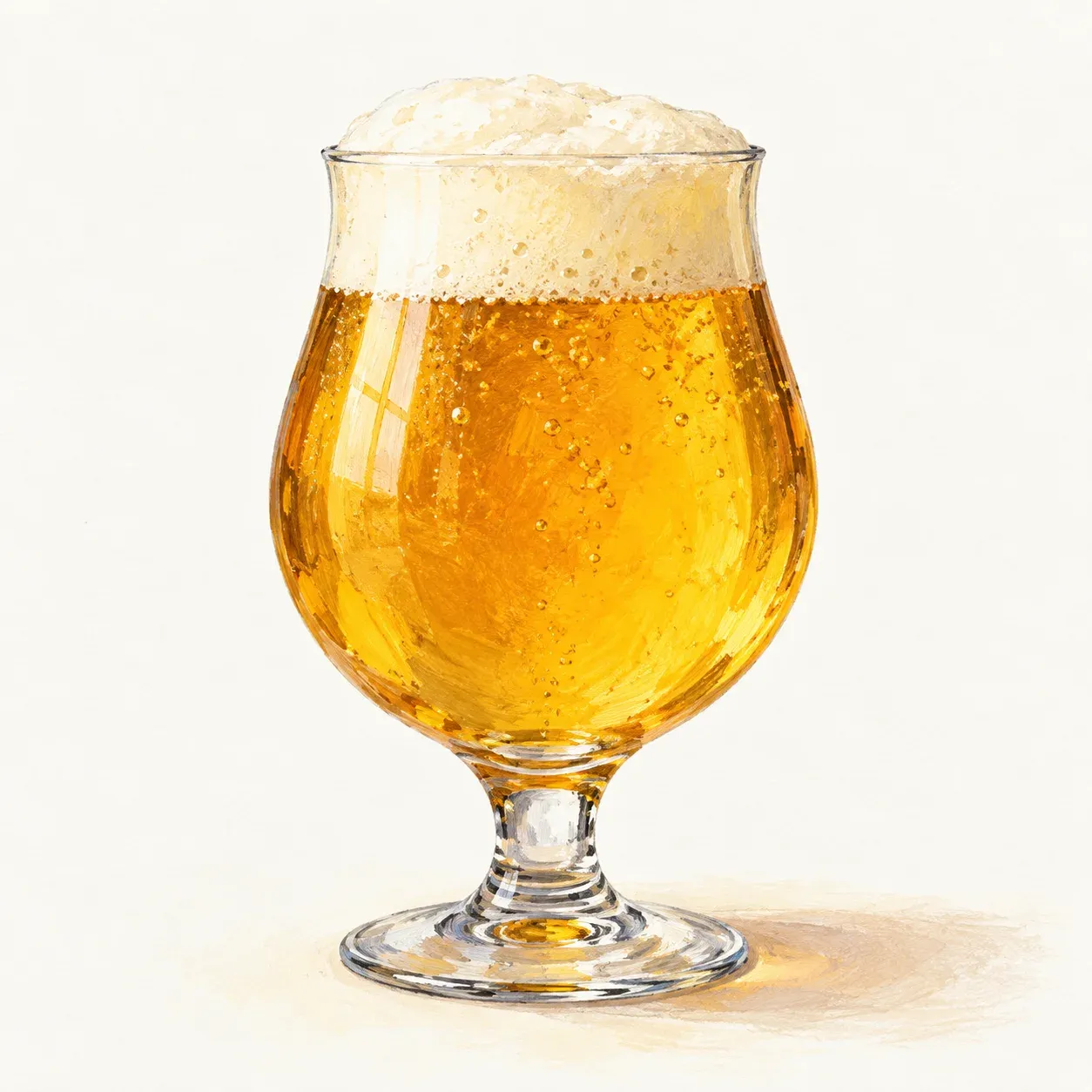
Belgian Blond Ale
AleBelgian Blond: a golden, smooth, moderately strong ale with soft spice from its yeast, popularised by Leffe after the Second World War. Strength, bitterness, glass and examples.
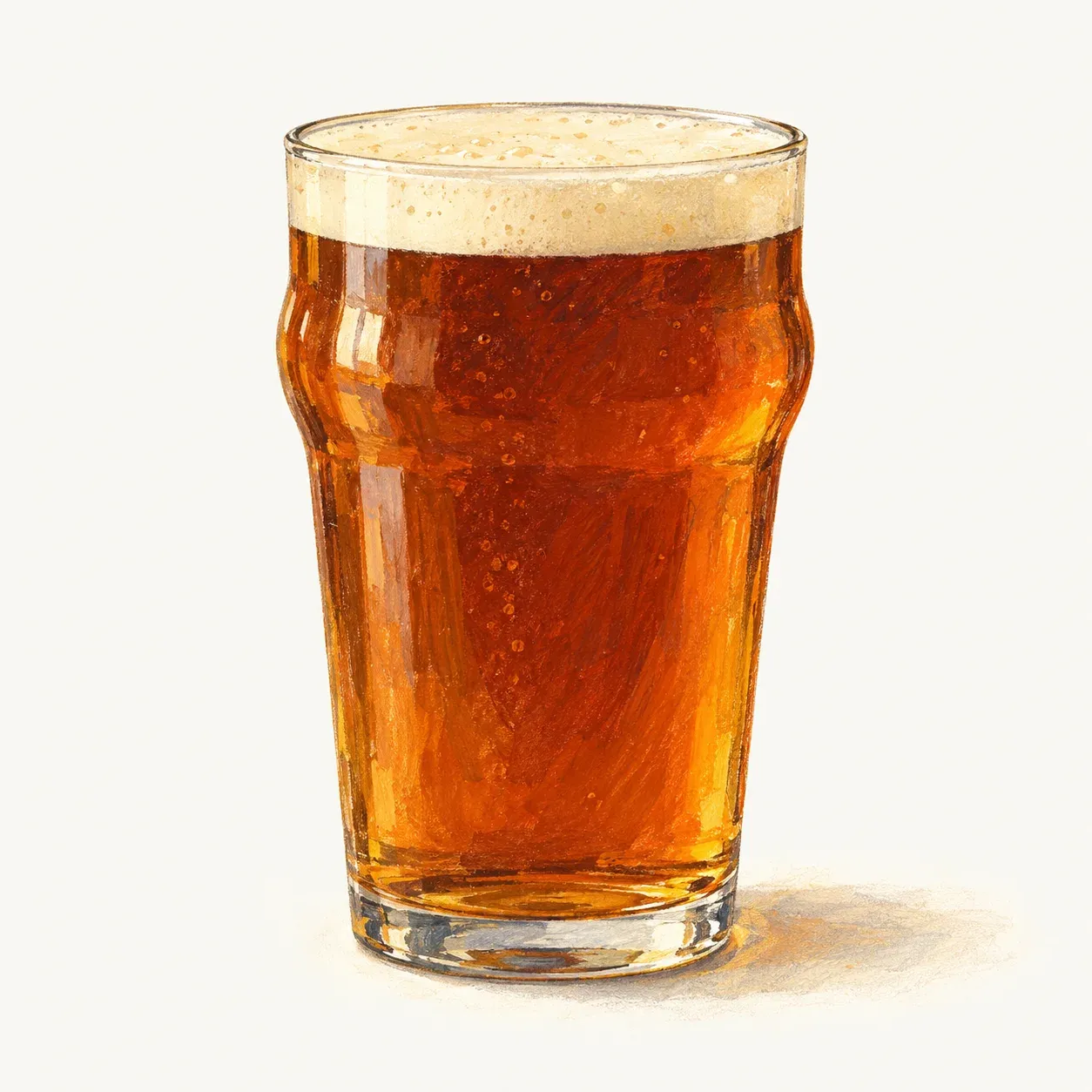
Best Bitter
AleBest Bitter: the English session ale of the pub, amber to copper, malty and bitter, served from the cask at cellar temperature. Strength, glass and classic examples.
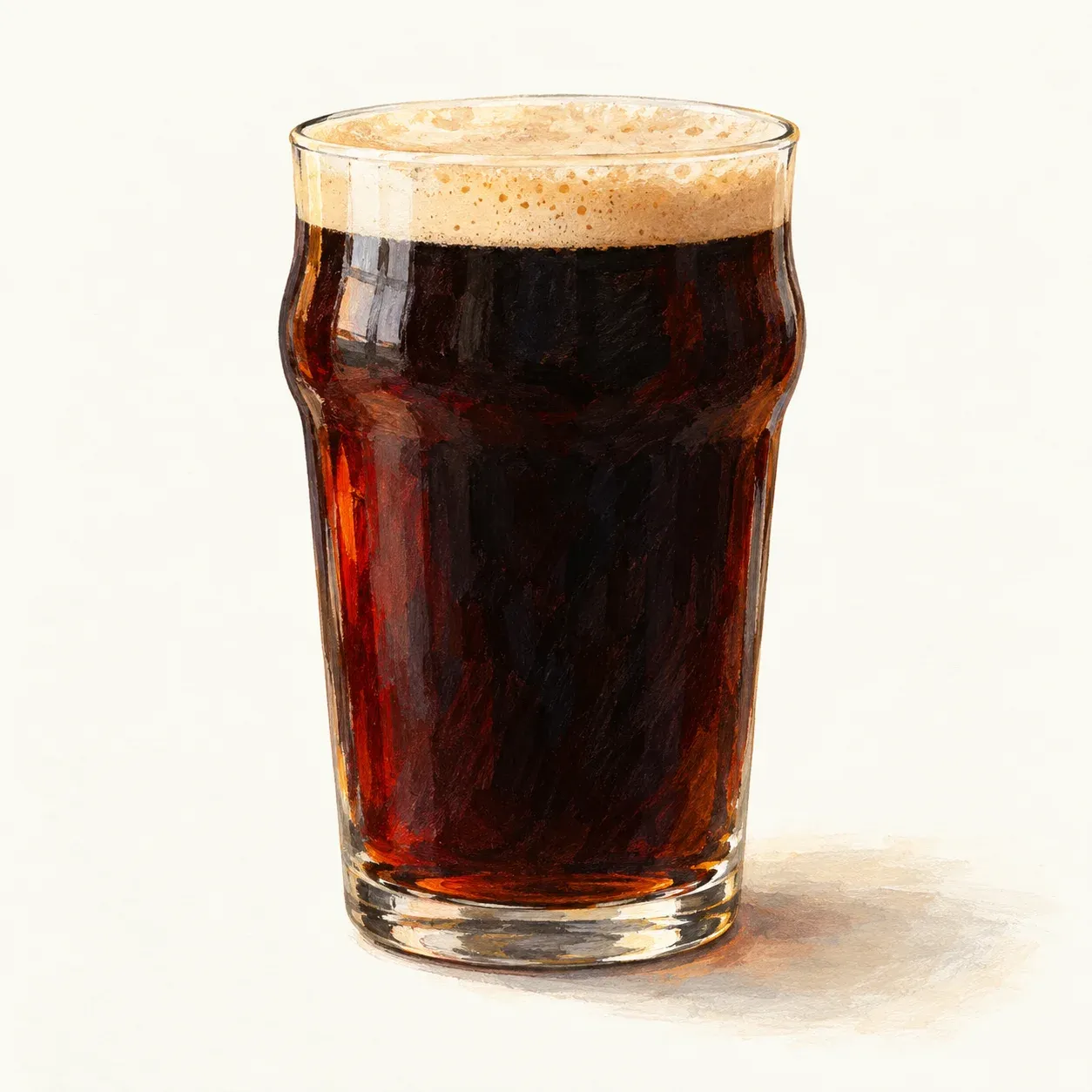
English Porter
AleEnglish porter: a dark brown London ale with chocolate, caramel and soft roast, the beer of 18th-century London. Strength, bitterness, glass and classic examples.
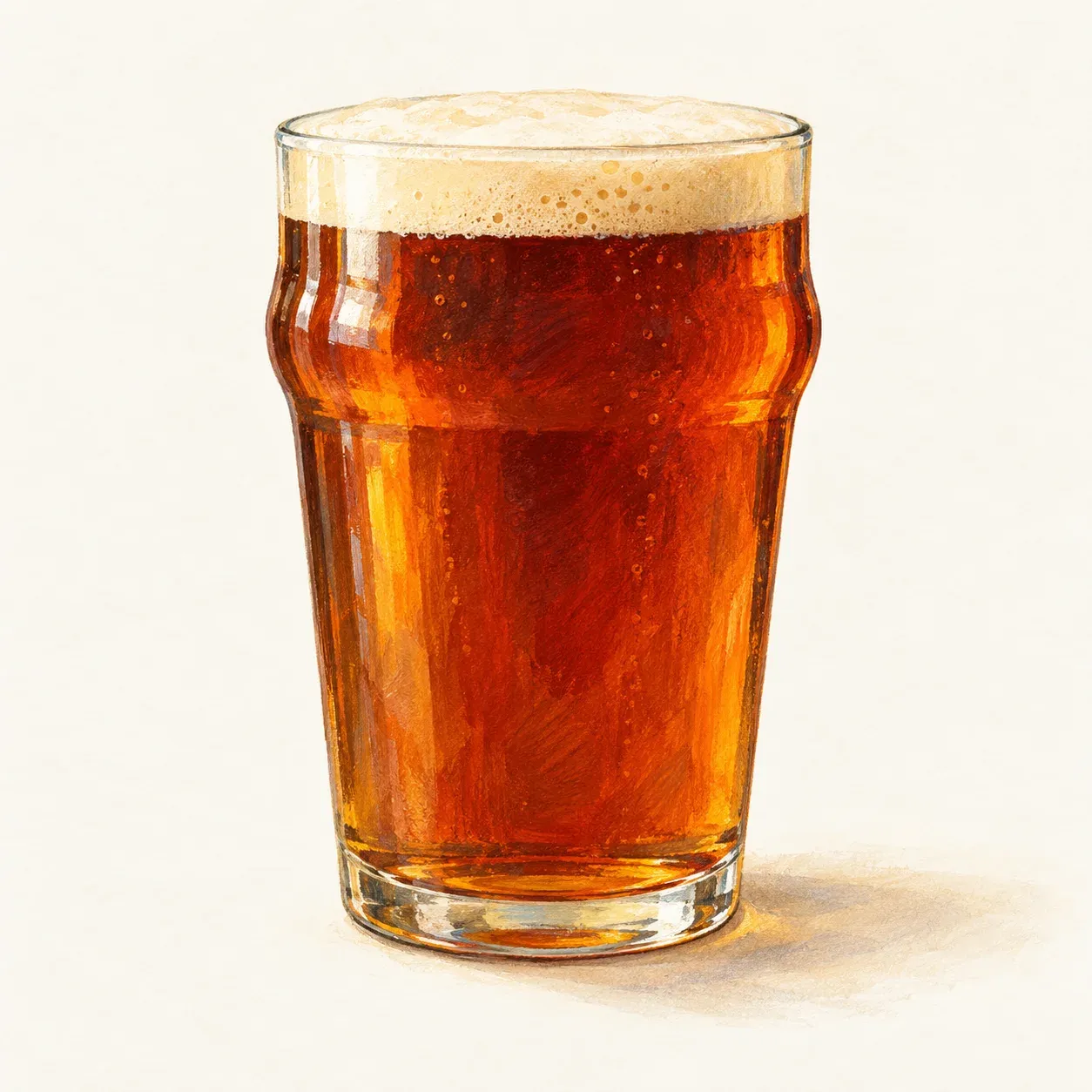
Strong Bitter (ESB)
AleStrong bitter and ESB: the fuller, stronger English bitter, amber to copper, with more malt and hops. Strength, bitterness, glass and classic examples.
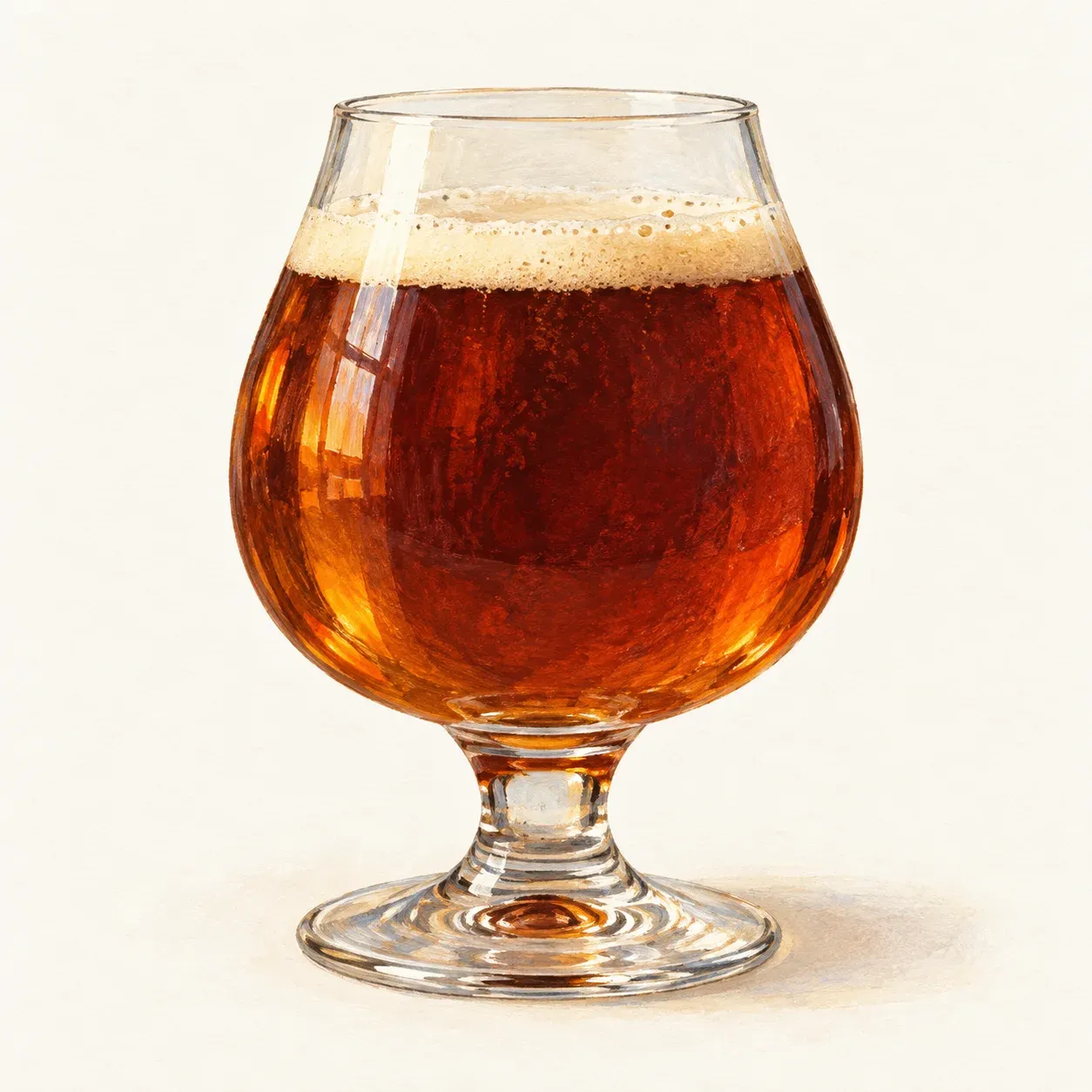
English Barleywine
AleEnglish barleywine: the richest and strongest English ale, malty and fruity, first called a barley wine by Bass in 1872. Strength, bitterness, glass and examples.
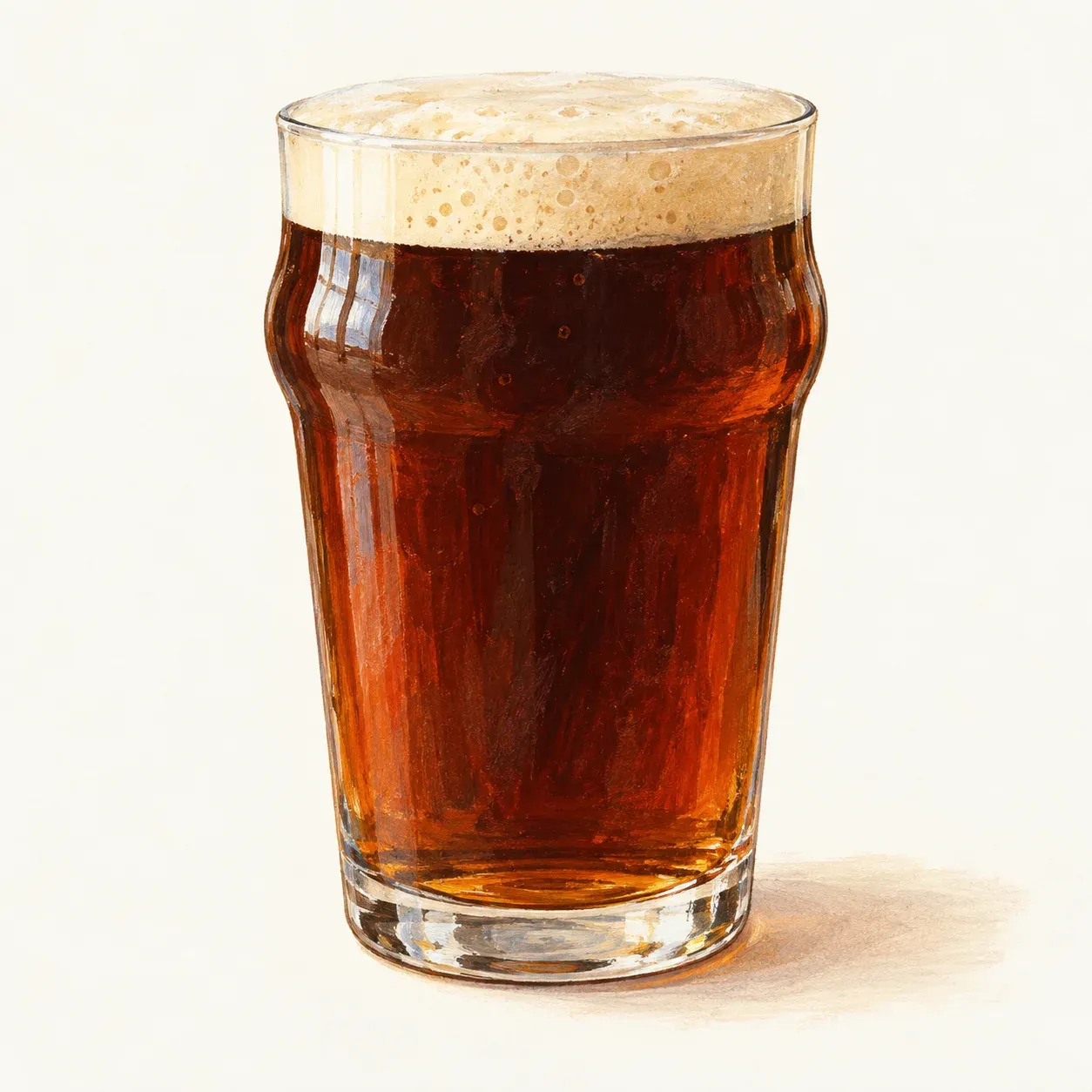
American Brown Ale
AleAmerican brown ale: a malty, hoppy brown ale with chocolate and caramel and American hops. Strength, bitterness, glass and classic examples.
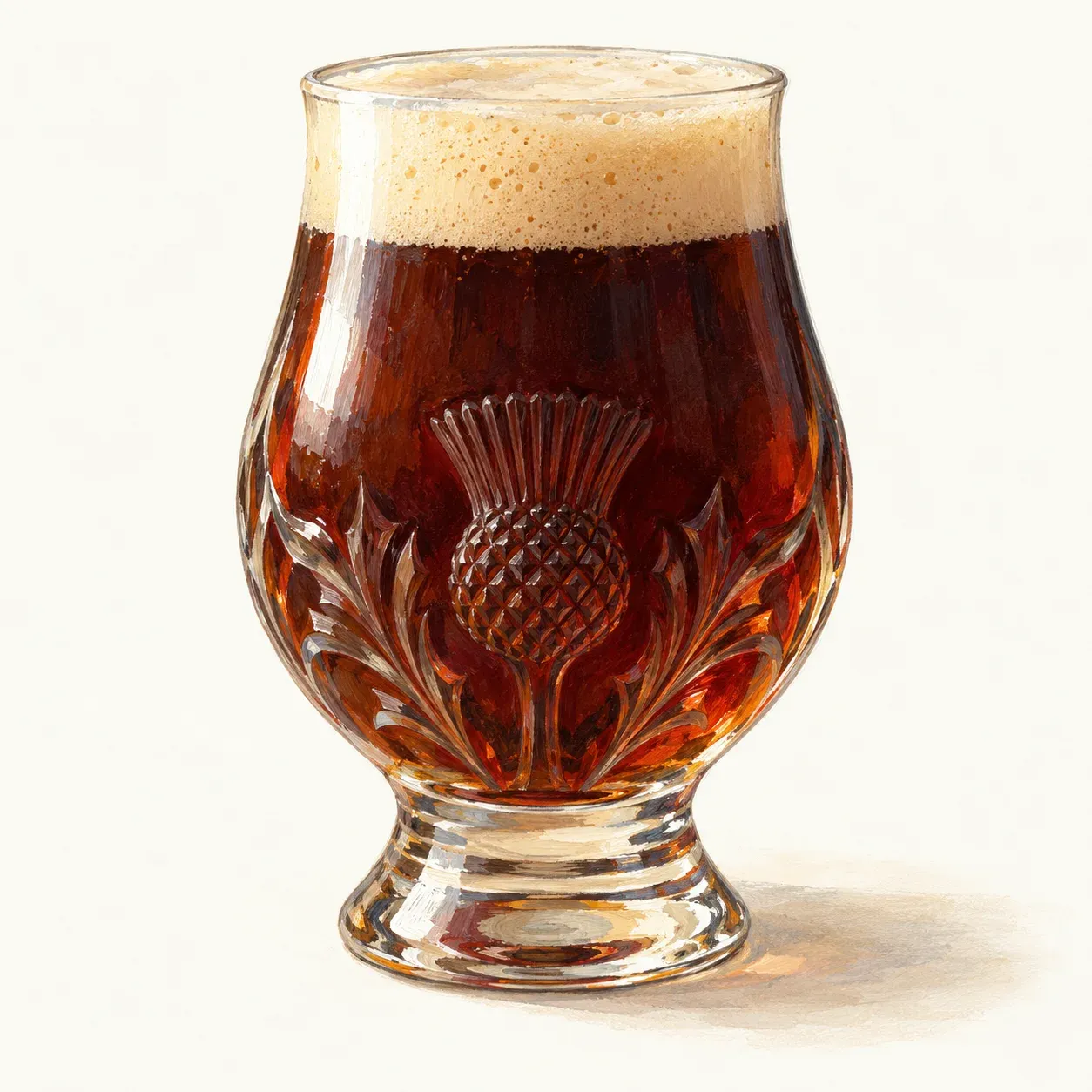
Wee Heavy (Scotch Ale)
AleWee heavy, or strong Scotch ale: a rich, sweet, malty Scottish ale of caramel and toffee, full and warming. Strength, bitterness, glass and classic examples.
Hybrids
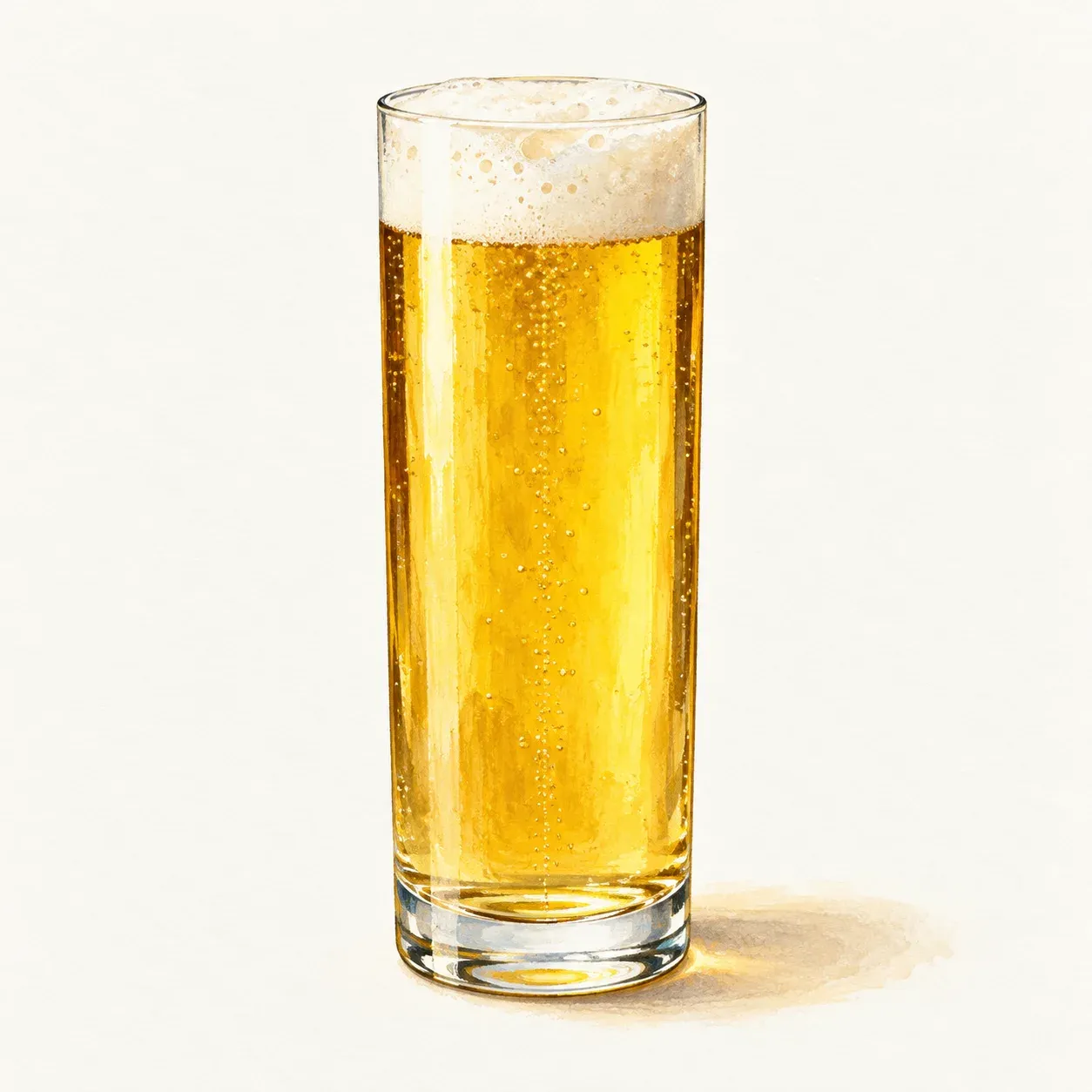
Kölsch
HybridKölsch: a pale, delicate, top-fermented beer from Cologne, matured cold like a lager and served in a 20 cl Stange. Strength, bitterness, glass and classic examples.
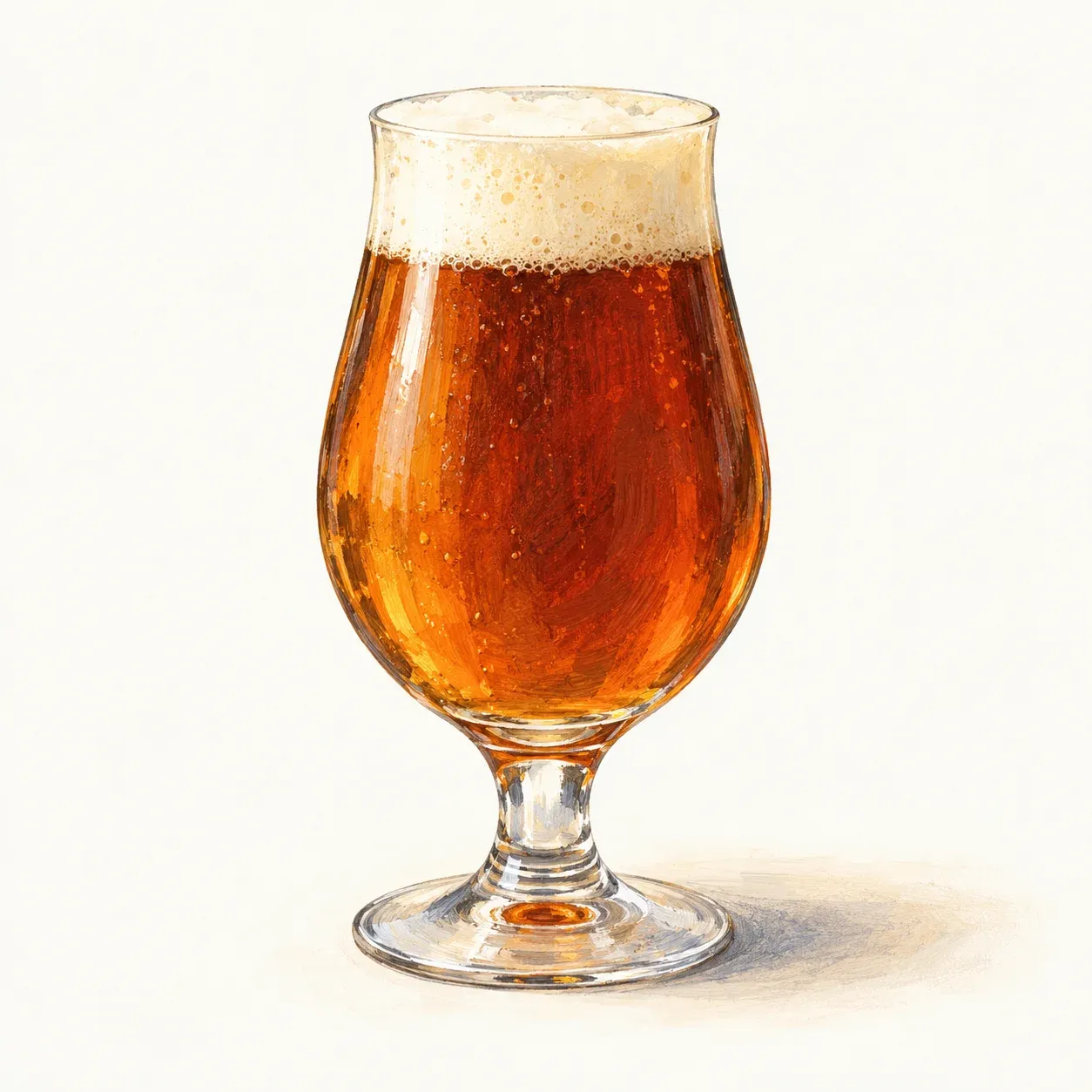
Altbier
HybridAltbier: a copper, bitter, malty ale from Düsseldorf, fermented cool and matured cold like a lager. Strength, bitterness, glass and classic examples.
Wild and sour beers
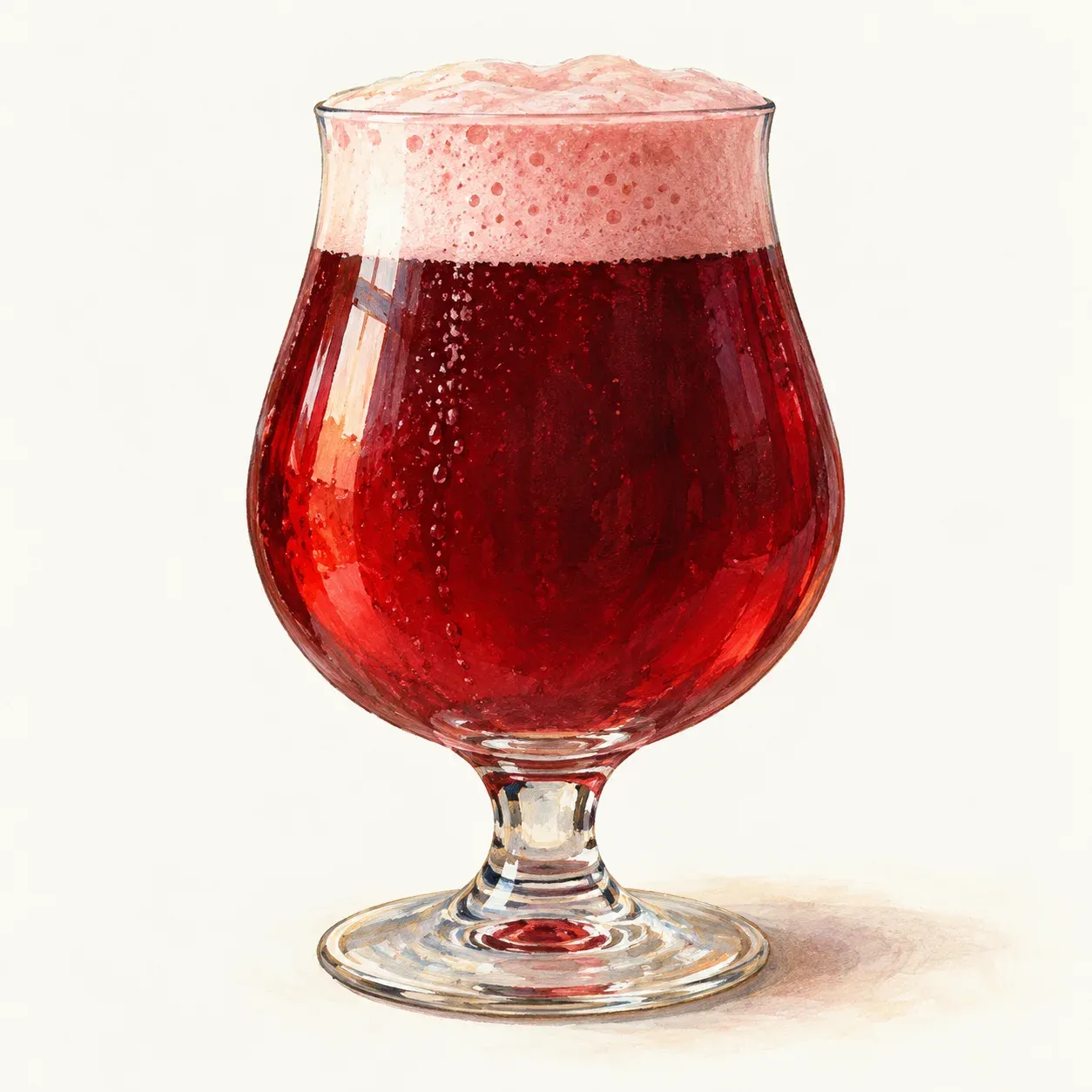
Kriek and Fruit Lambic
Wild & sourKriek and fruit lambic: sour Belgian lambic fermented again on cherries, raspberries or other fruit. Strength, glass, how it is made and classic examples.
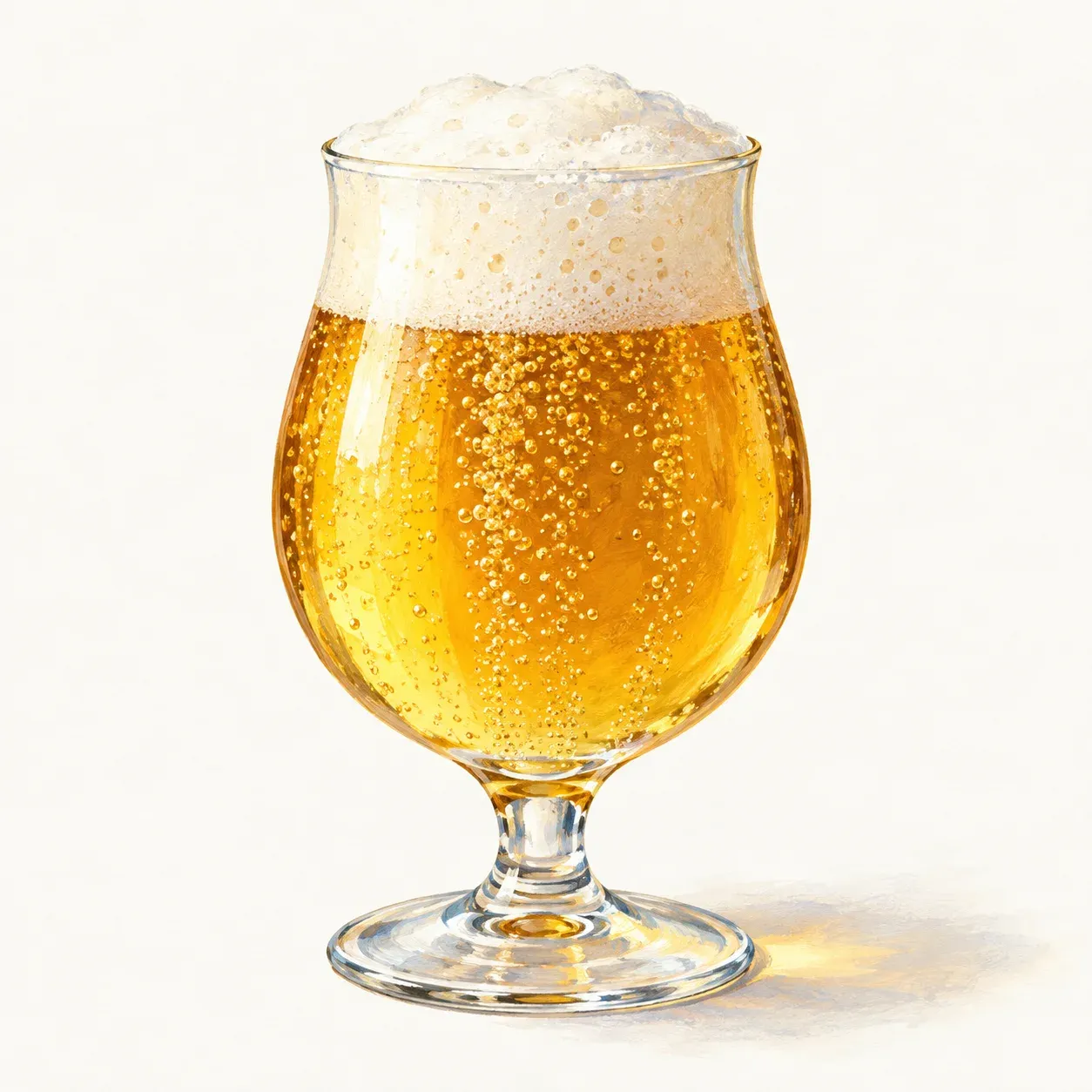
Gueuze
Wild & sourGueuze: a sparkling, sour Belgian wild beer blended from one-, two- and three-year-old lambic. Strength, colour, glass, the Oude Geuze rules and classic examples.
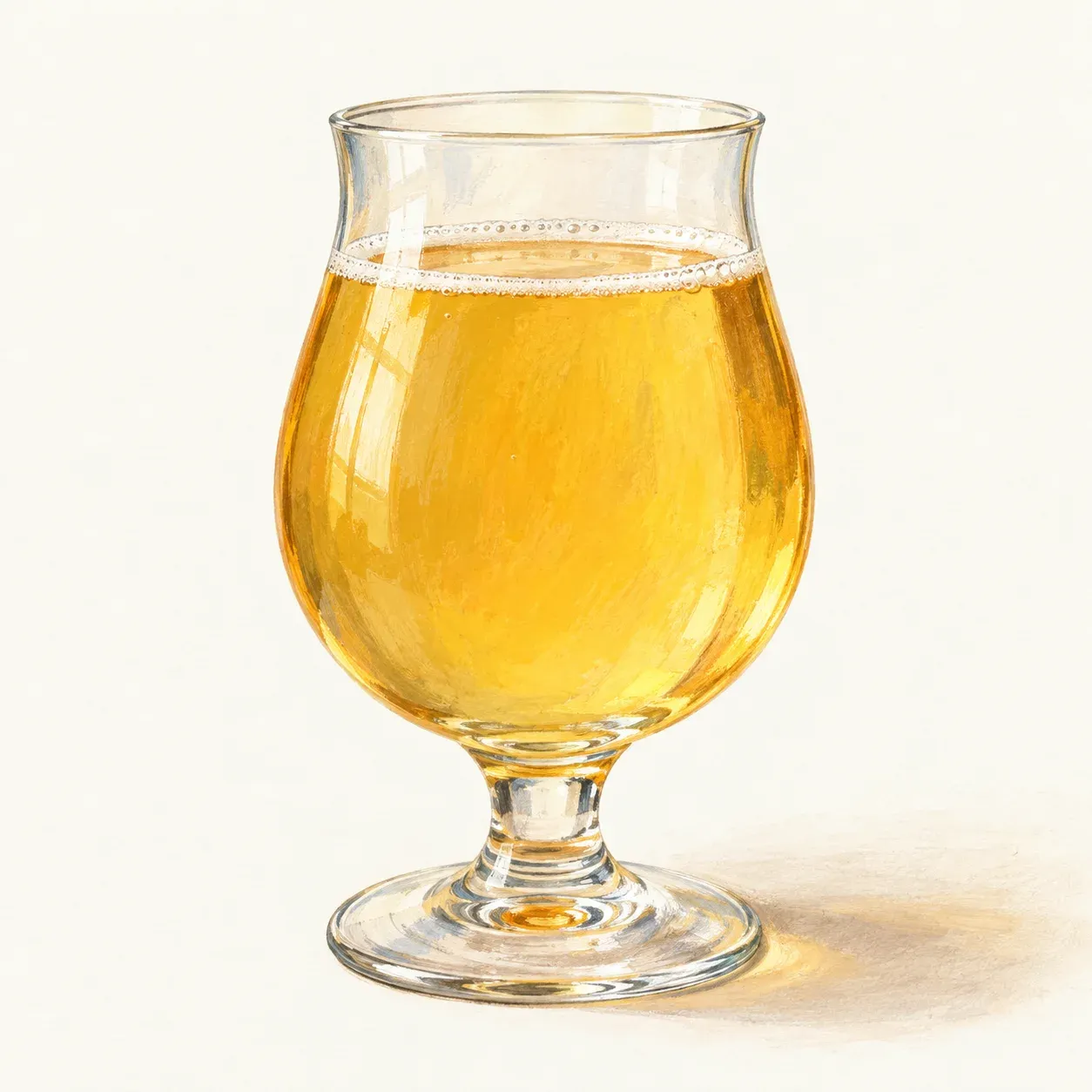
Lambic
Wild & sourLambic: a still, sour, wild wheat beer from around Brussels, fermented by the yeasts in the air and aged in oak. Strength, colour, glass and classic examples.
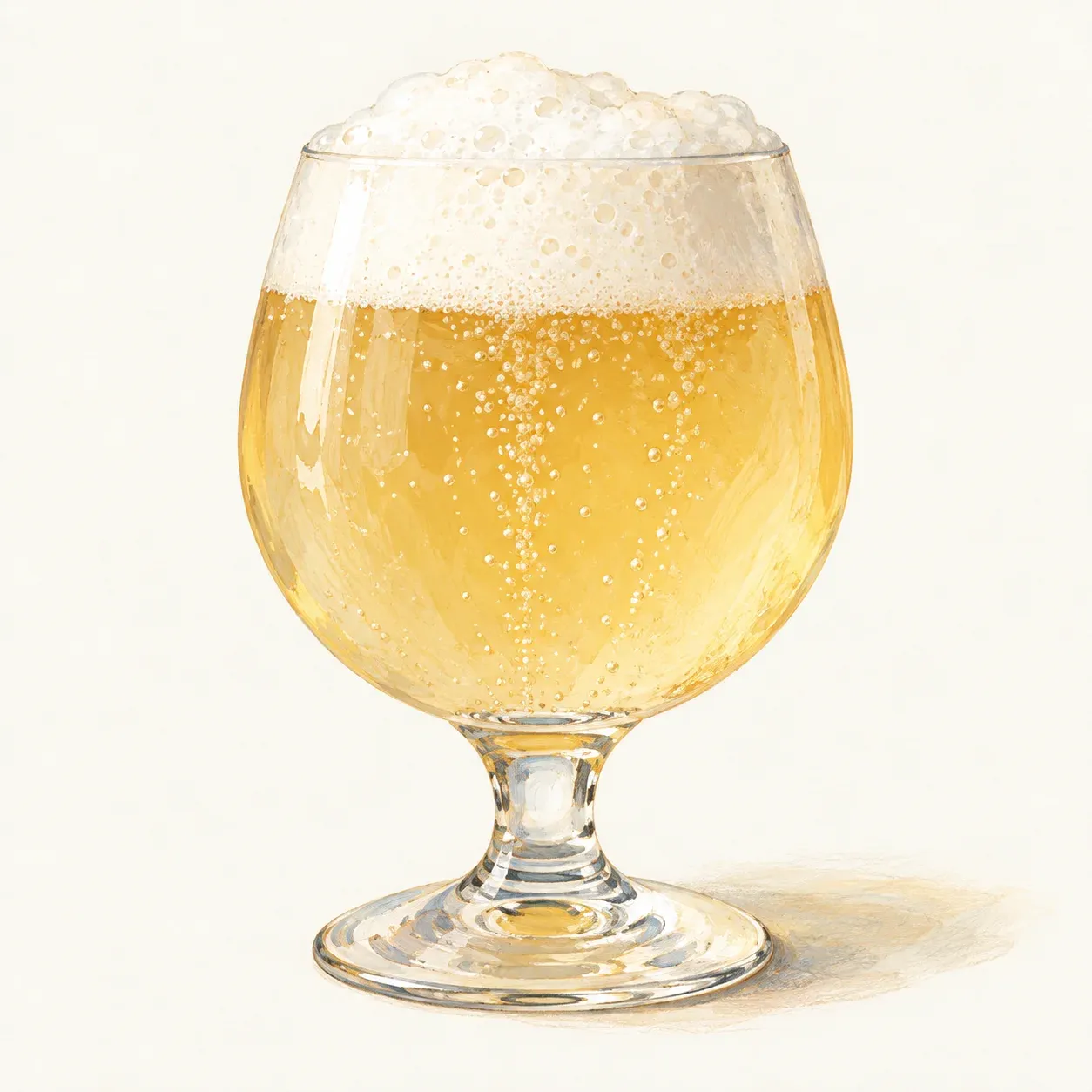
Berliner Weisse
Wild & sourBerliner Weisse: a pale, sour, fizzy, low-alcohol wheat beer from Berlin, the 'Champagne of the North'. Strength, sourness, glass and classic examples.
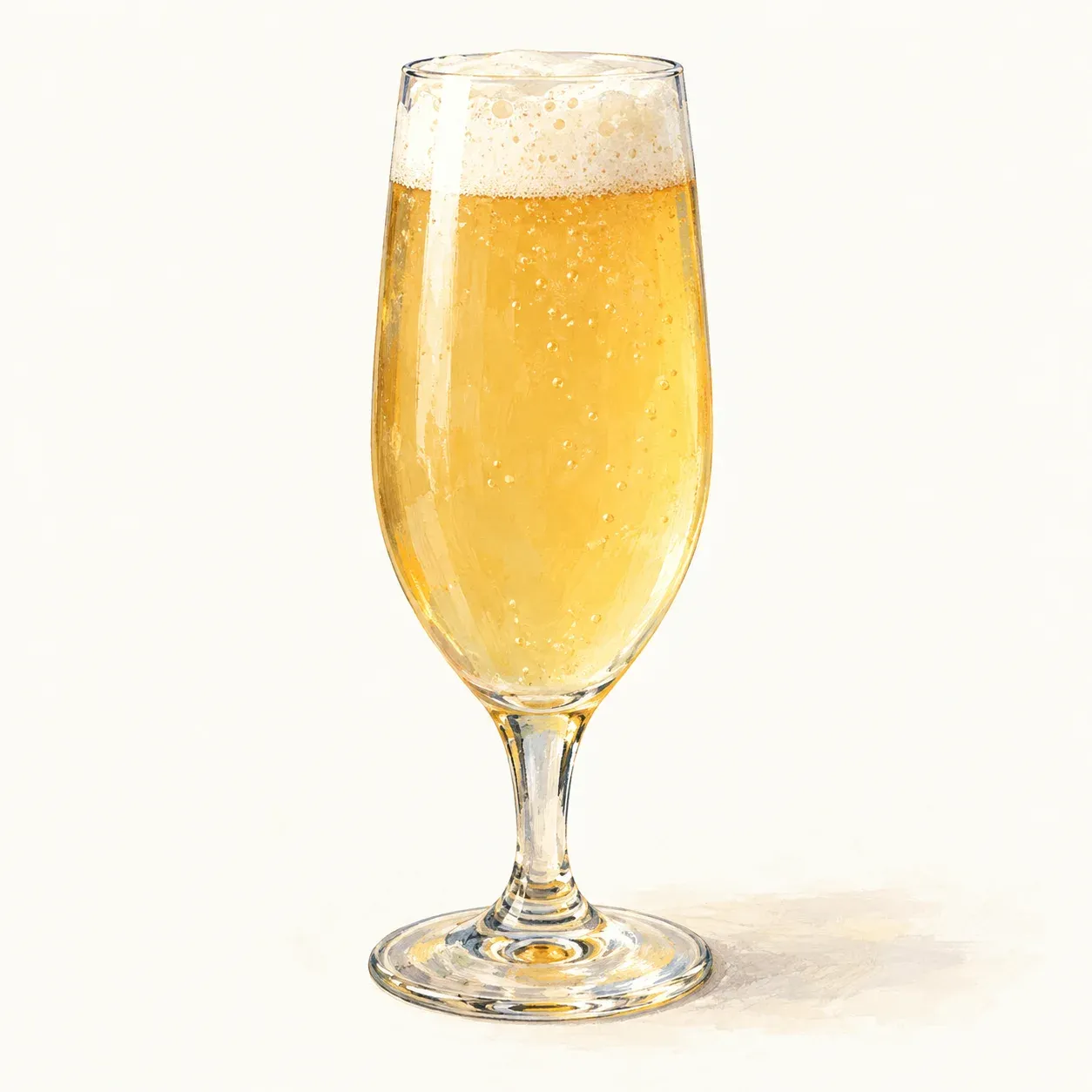
Gose
Wild & sourGose: a tart, hazy wheat beer from Leipzig, brewed with salt and coriander and revived after it died out in 1966. Strength, glass and classic examples.