Lager
Lagers are fermented with bottom-fermenting yeast (Saccharomyces pastorianus) at cool temperatures, roughly 7–13 °C, then matured cold for weeks. The name comes from the German lagern, to store. The result is clean and crisp, from pale pilsner to dark doppelbock.
Lager styles
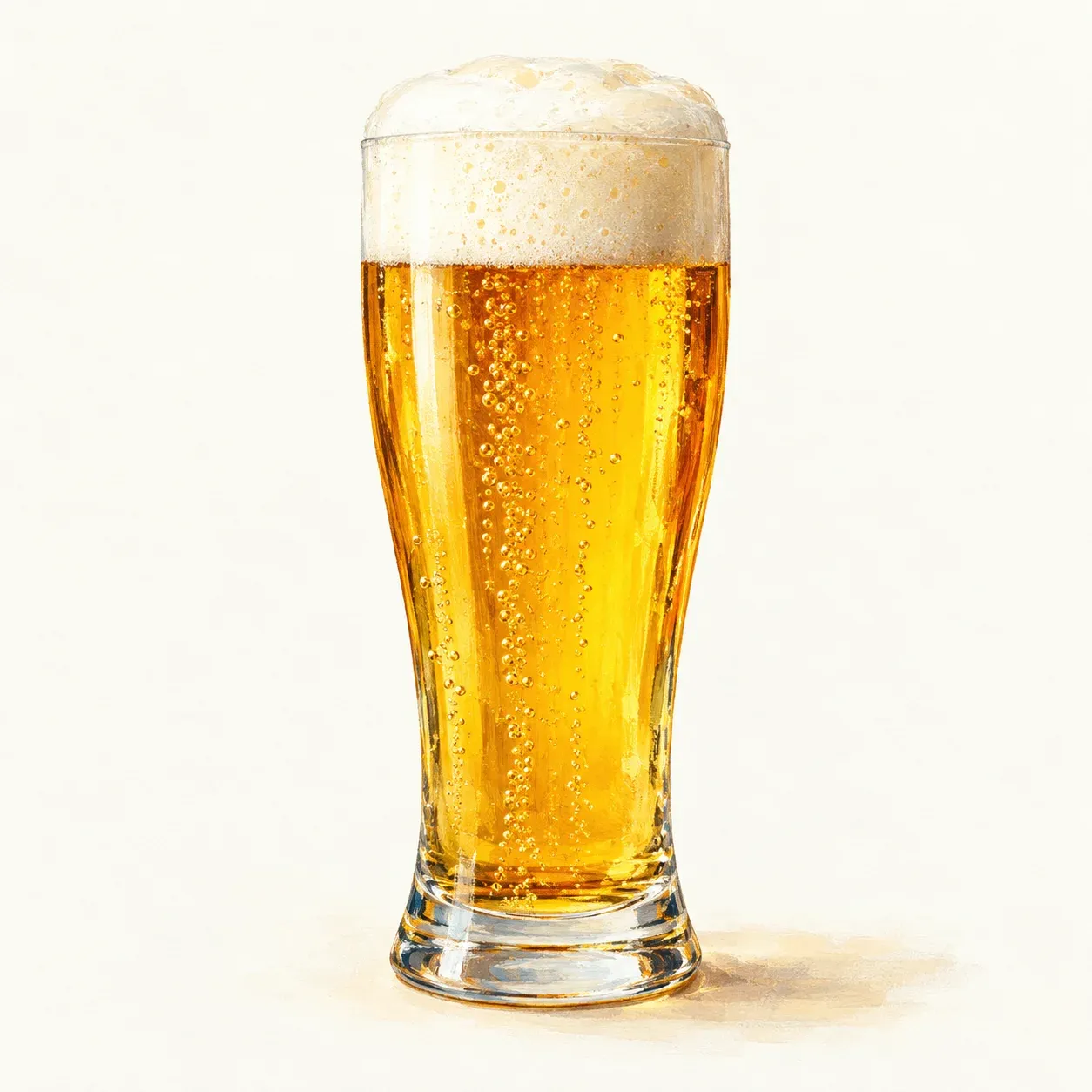
Czech Pilsner
LagerCzech Pilsner: a gold lager with bready malt and a soft, spicy hop bitterness, first brewed in Plzeň in 1842. Strength, bitterness, glass and classic examples.
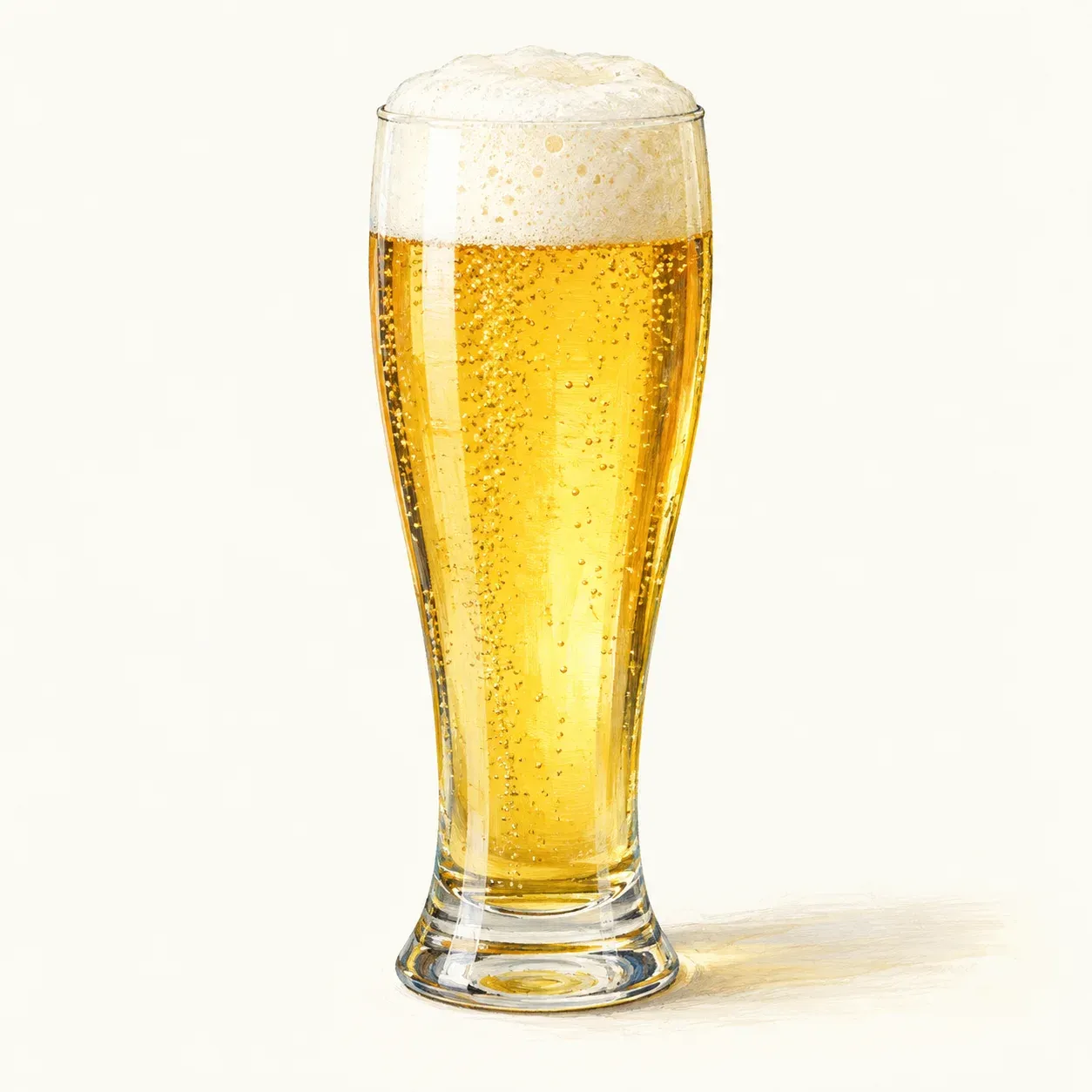
German Pils
LagerGerman Pils: a pale, dry, bitter lager with a bright hop aroma, adapted from the Czech original in the 1870s. Strength, bitterness, glass and classic examples.
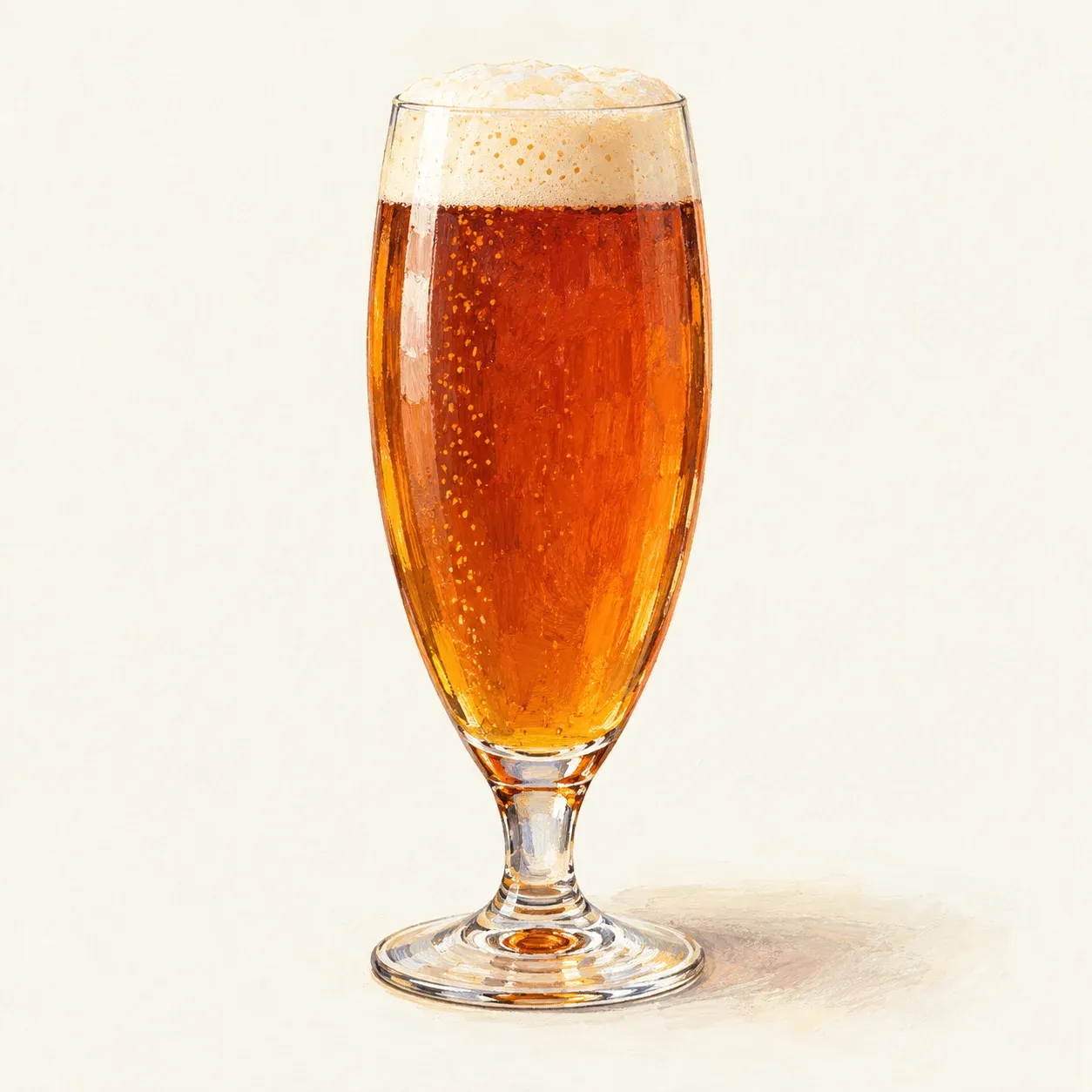
Märzen
LagerMärzen: an amber German lager with rich, toasty malt and a dry finish, brewed in March and served at Oktoberfest until 1990. Strength, bitterness, glass and examples.
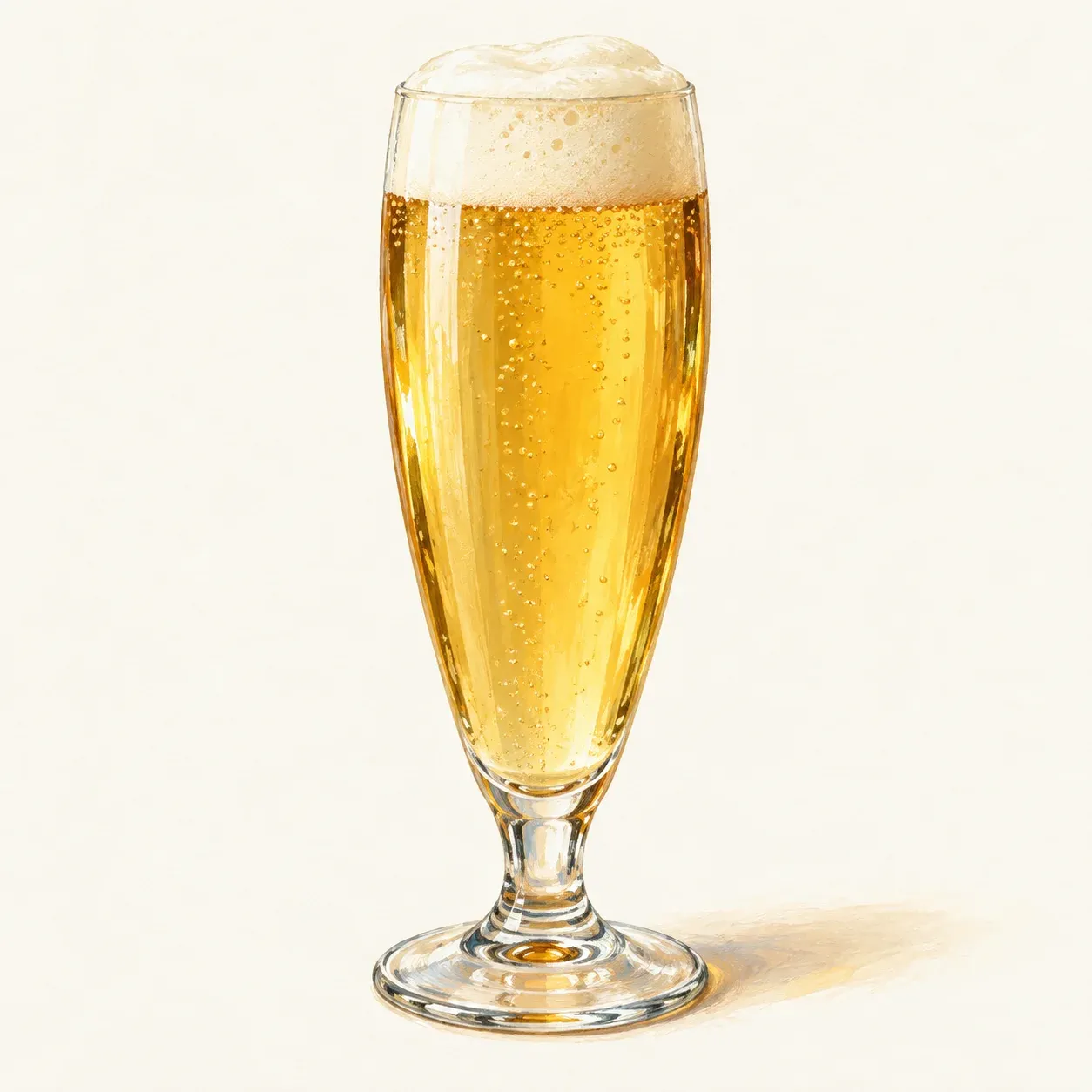
Munich Helles
LagerMunich Helles: a gold Bavarian lager, soft and malty with a dry finish, created in Munich in 1894. Strength, bitterness, glass and classic examples.
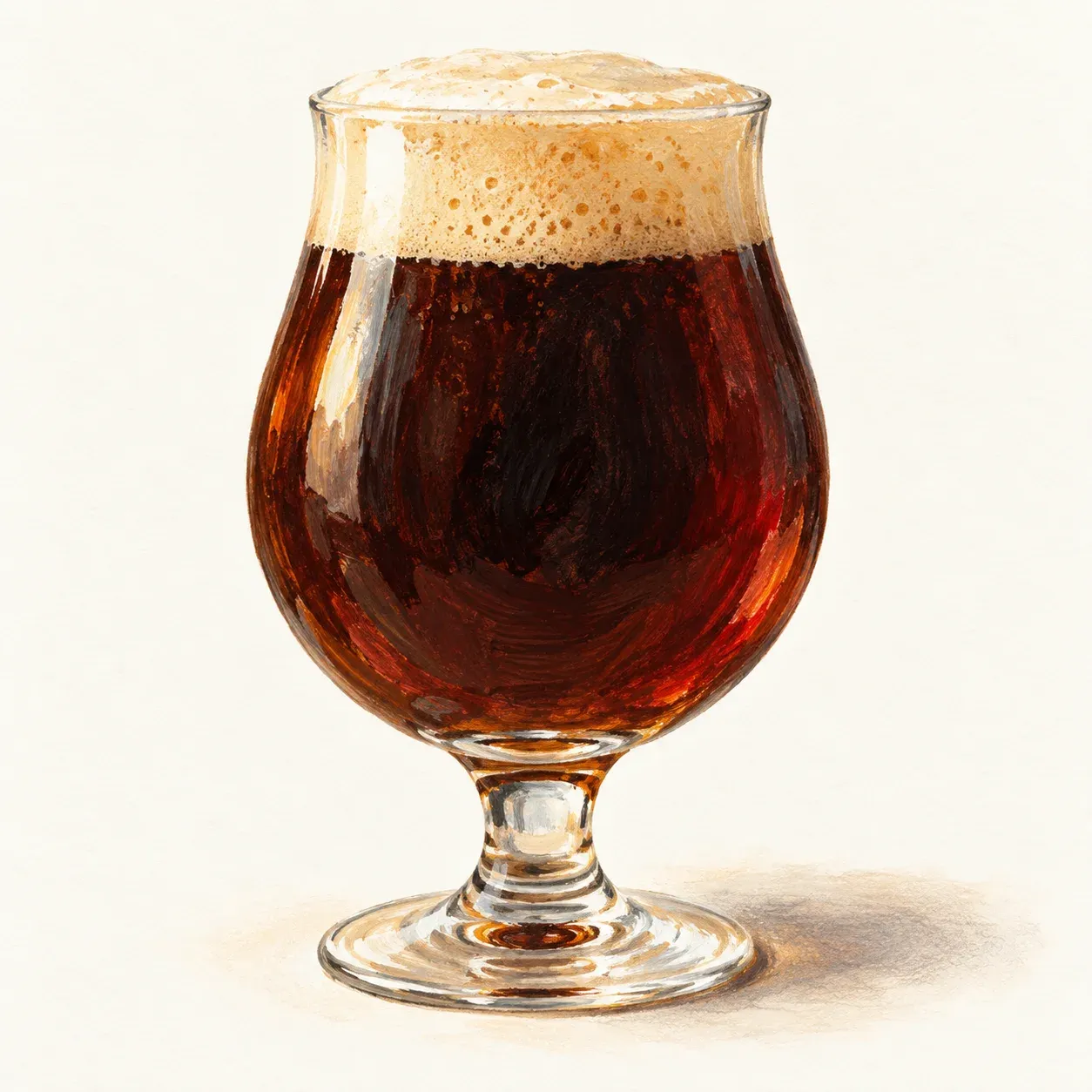
Doppelbock
LagerDoppelbock: a strong, rich, malty Bavarian lager, the 'liquid bread' Munich monks drank in Lent. Strength, bitterness, glass and classic examples.
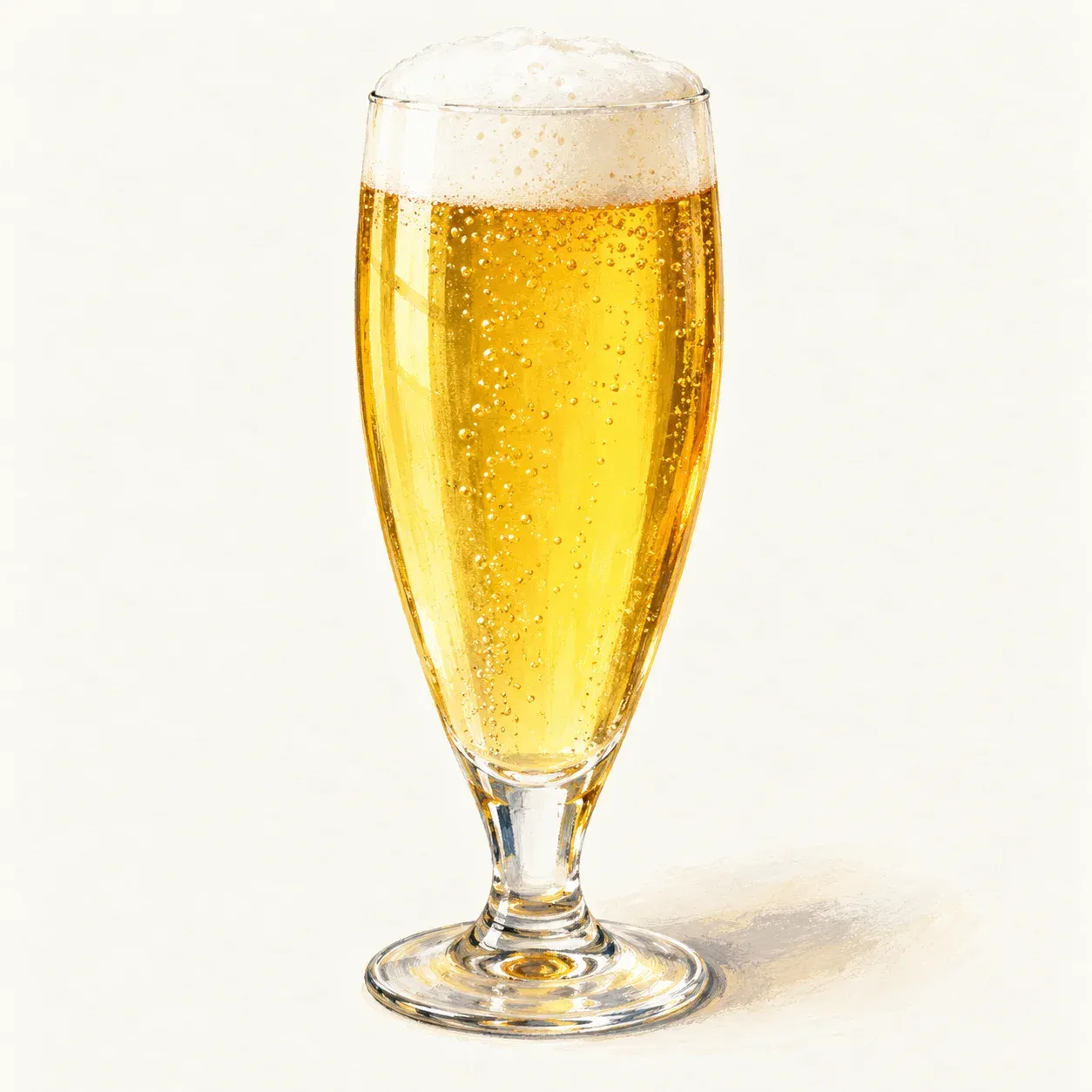
International Pale Lager
LagerInternational pale lager: the clean, crisp, pale and fizzy lager brewed by large breweries around the world. Strength, bitterness, glass and classic examples.
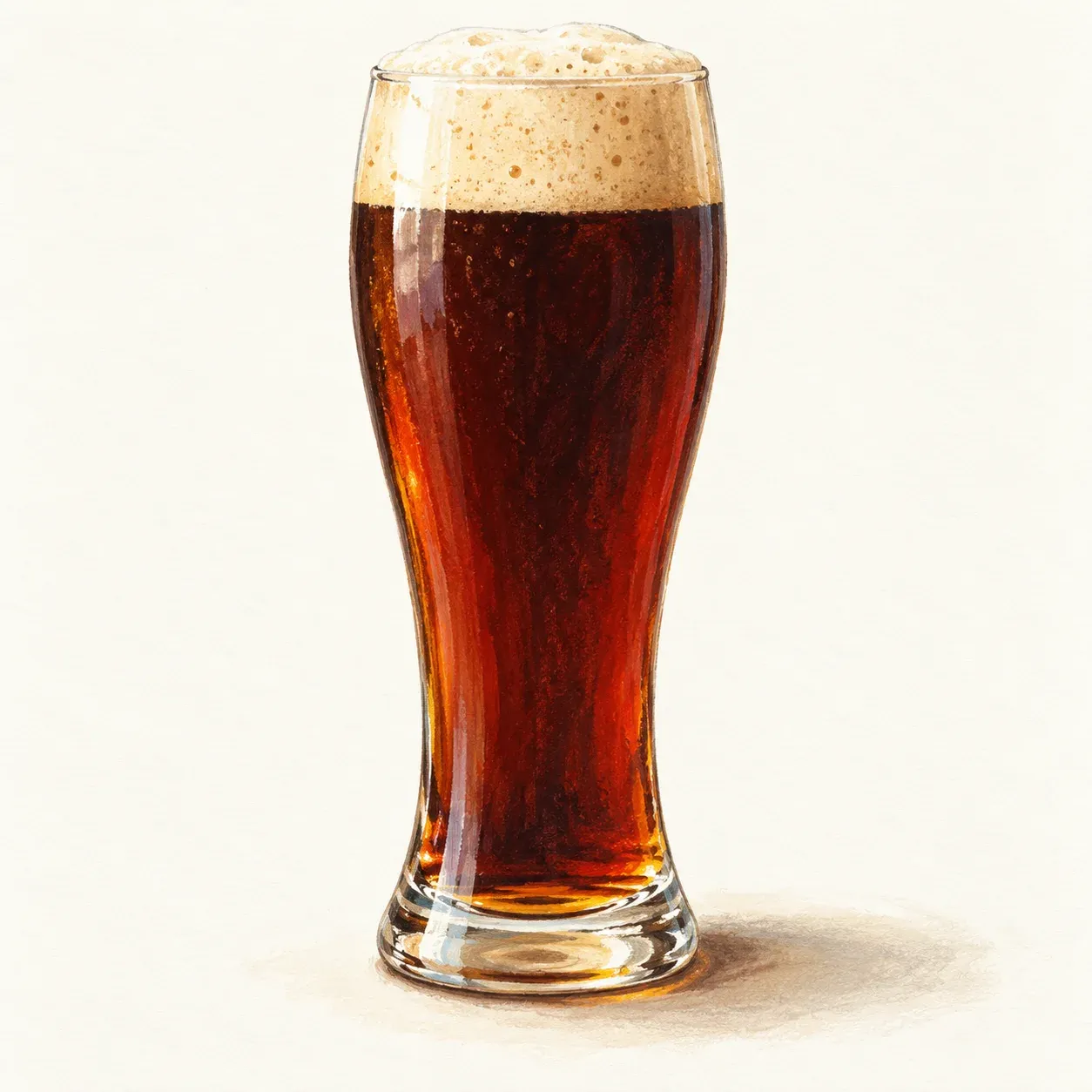
Munich Dunkel
LagerMunich Dunkel: a brown Bavarian lager with toasted, bready malt and no roast, developed at Spaten in the 1830s. Strength, bitterness, glass and classic examples.