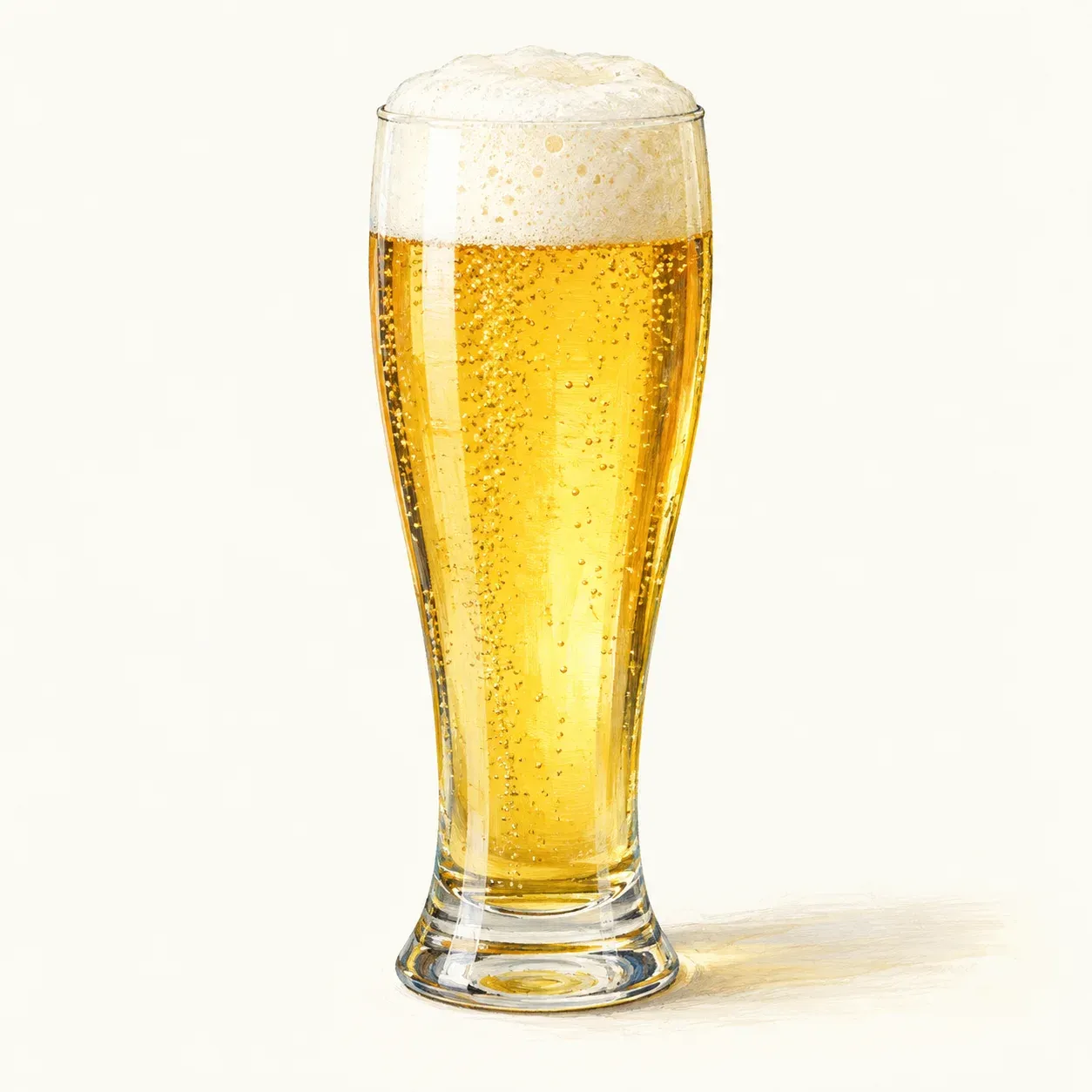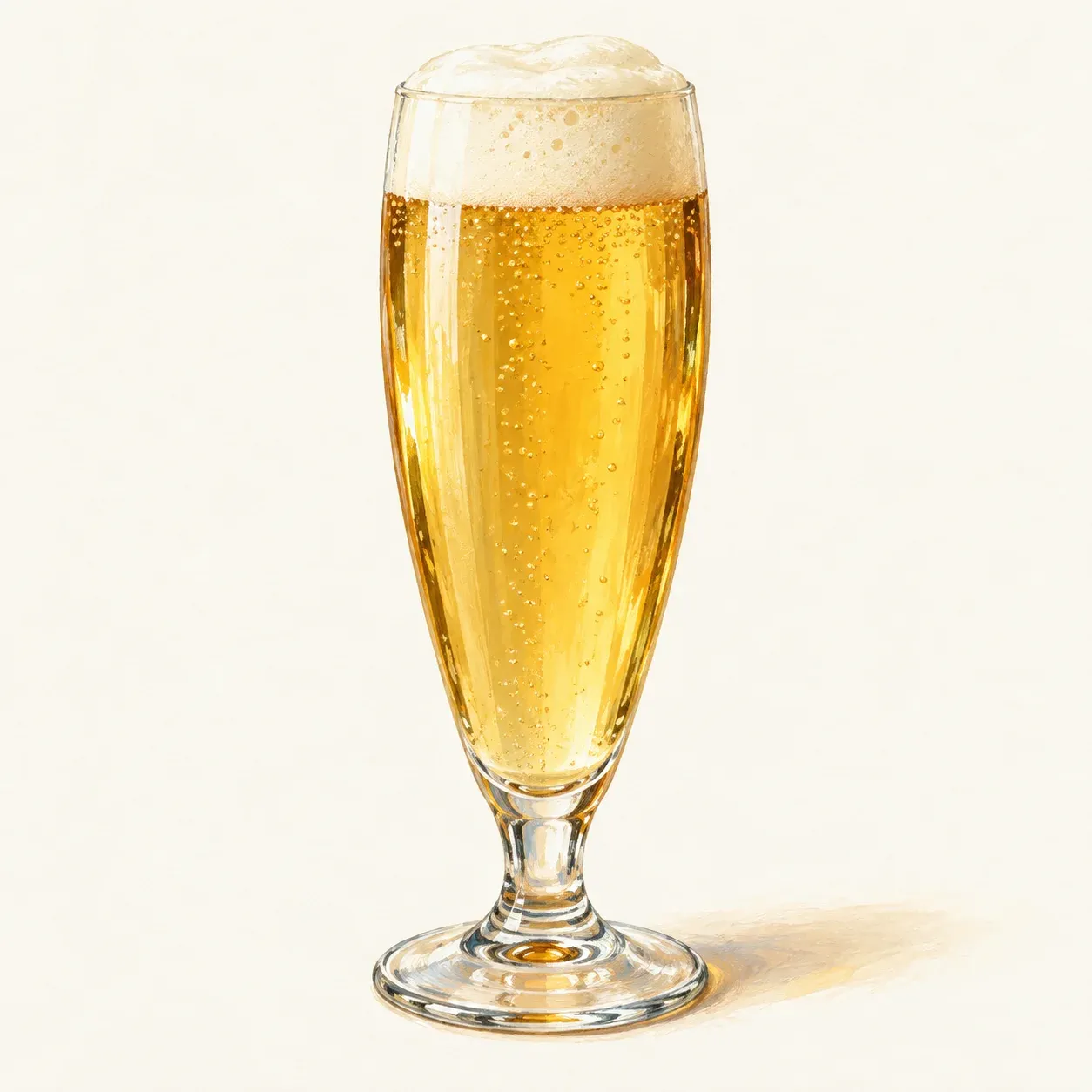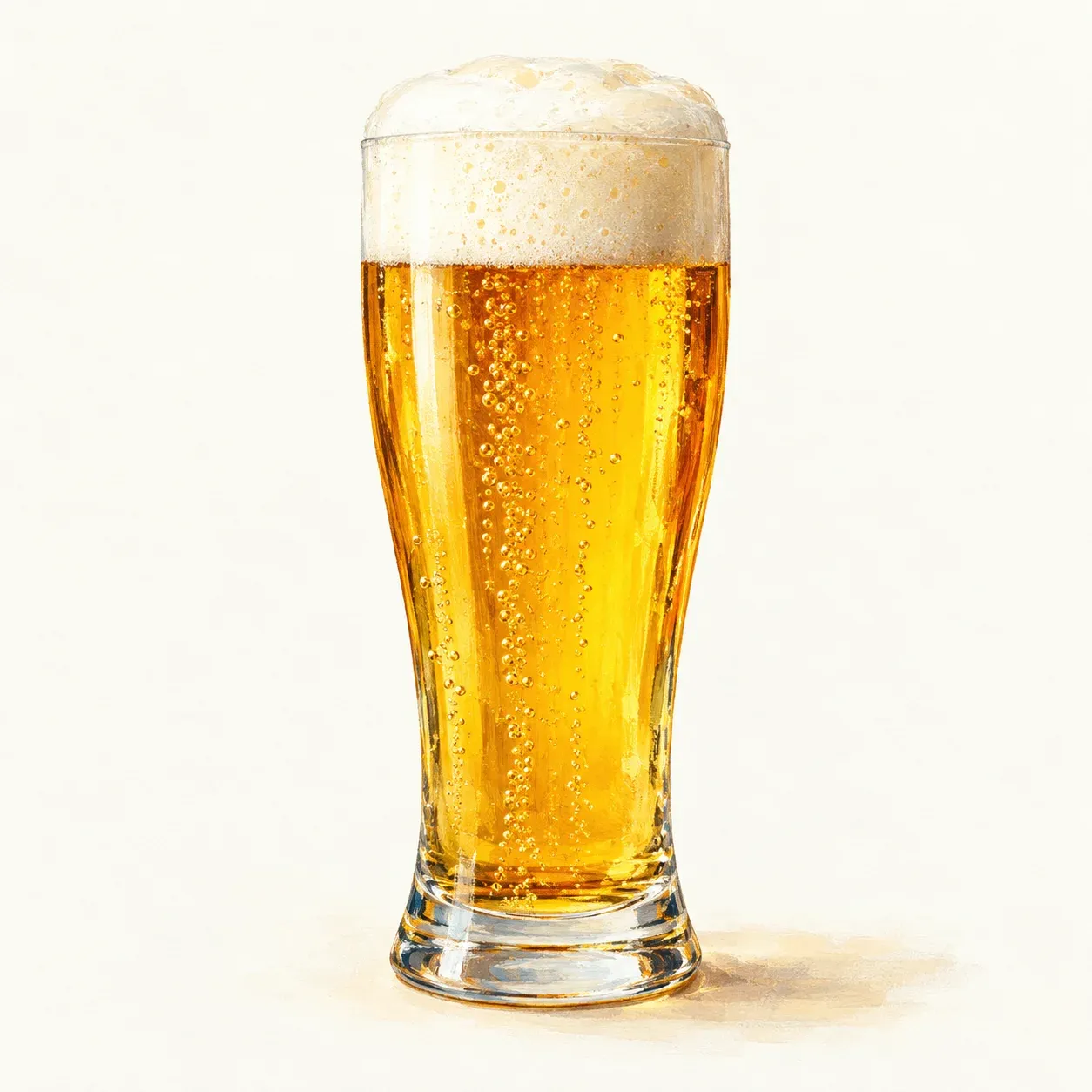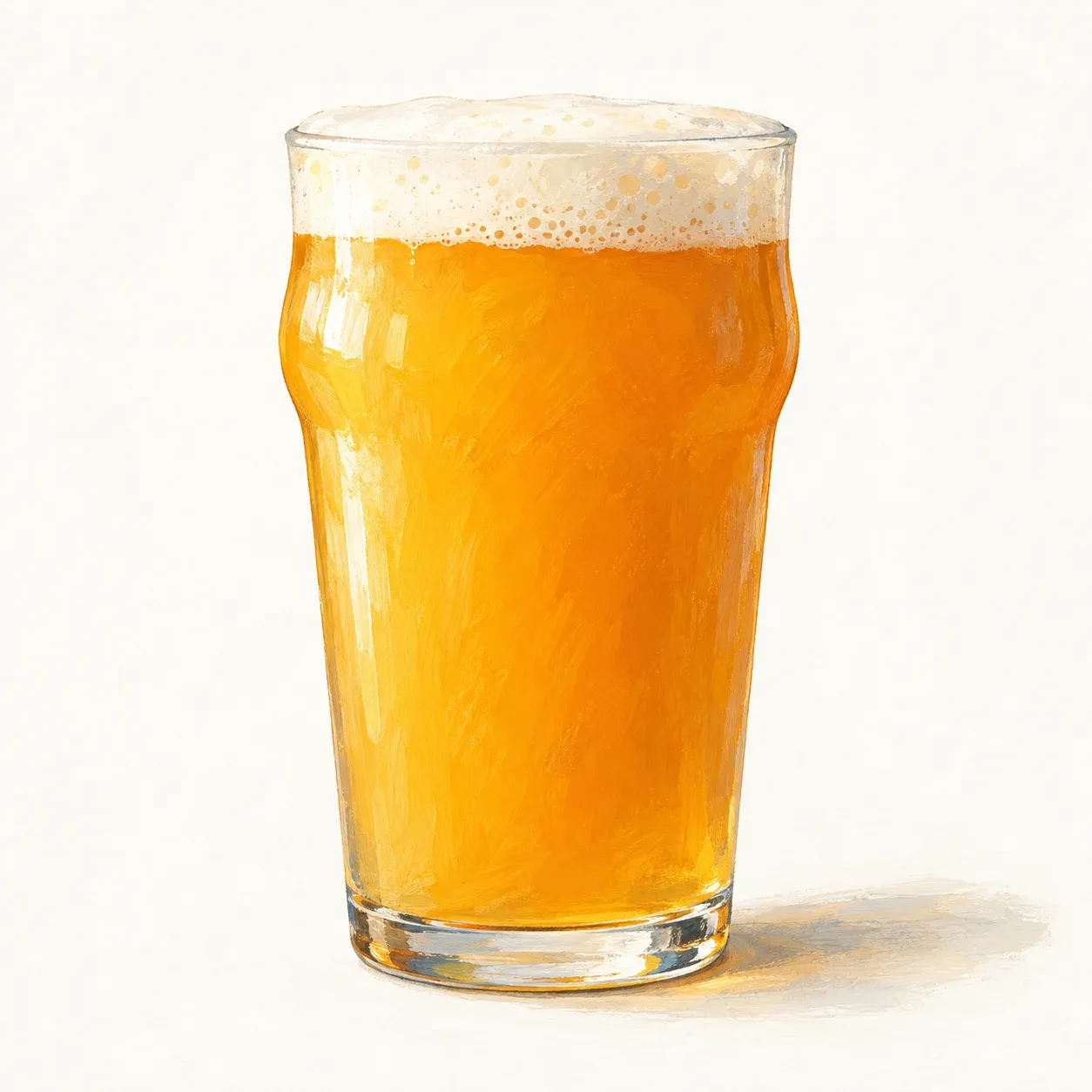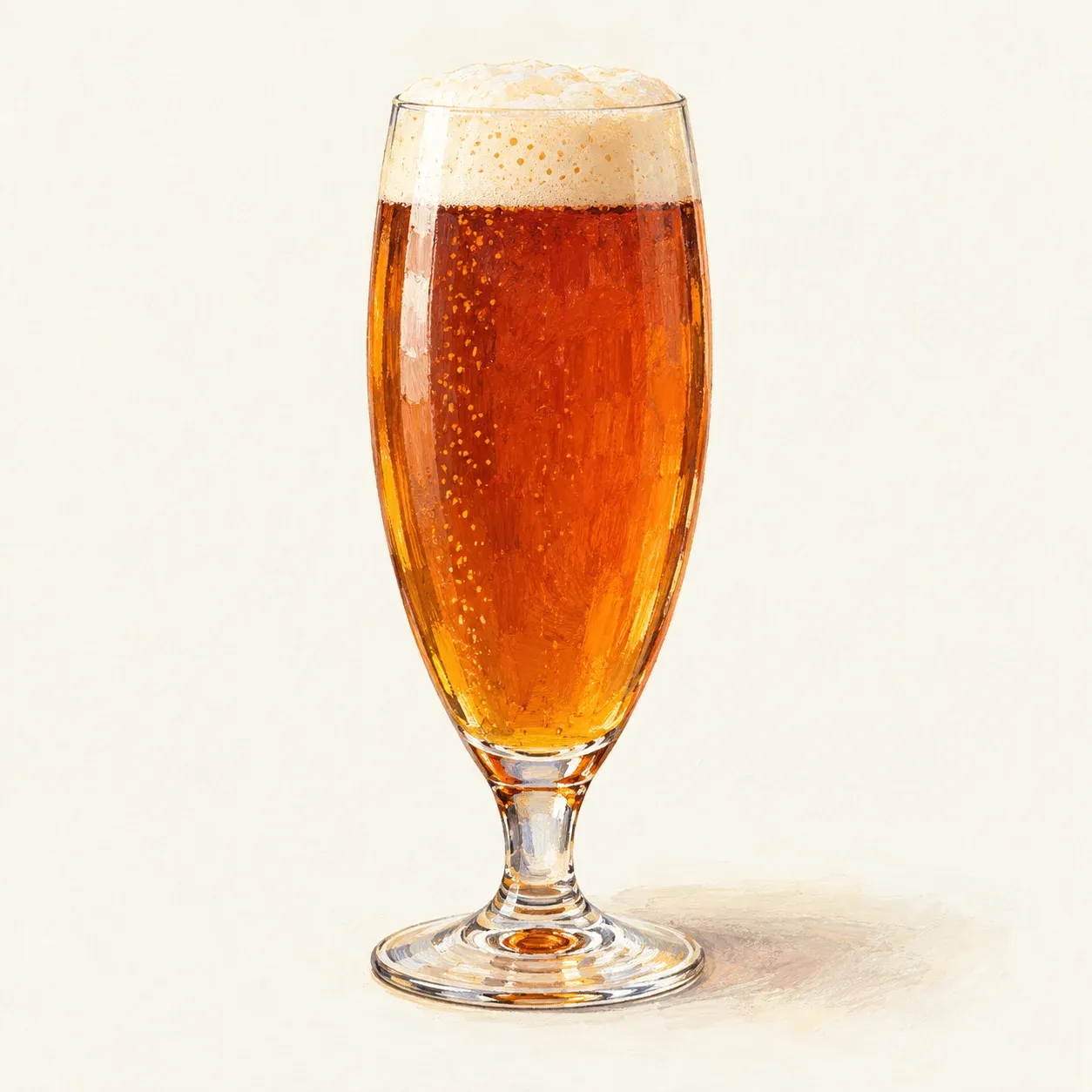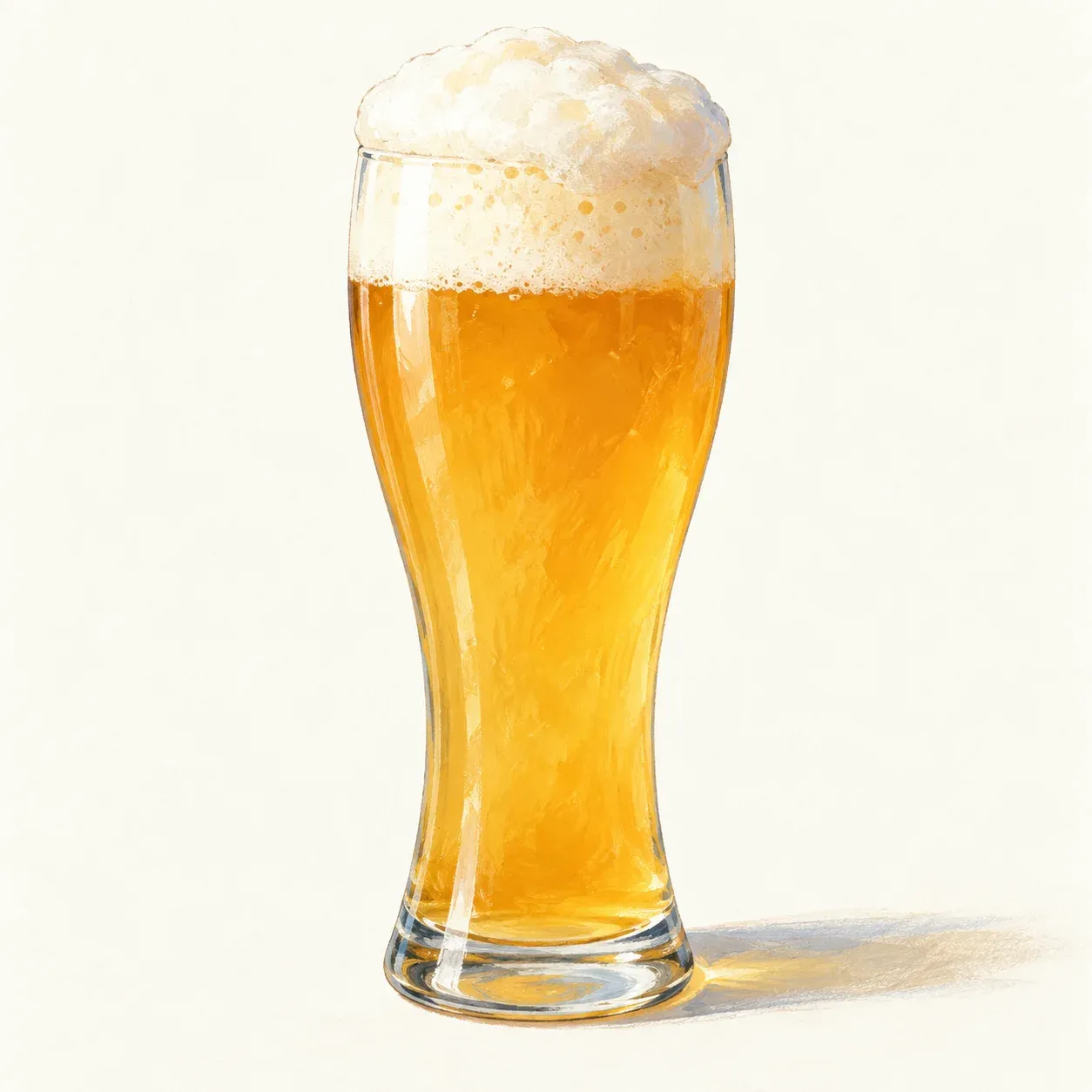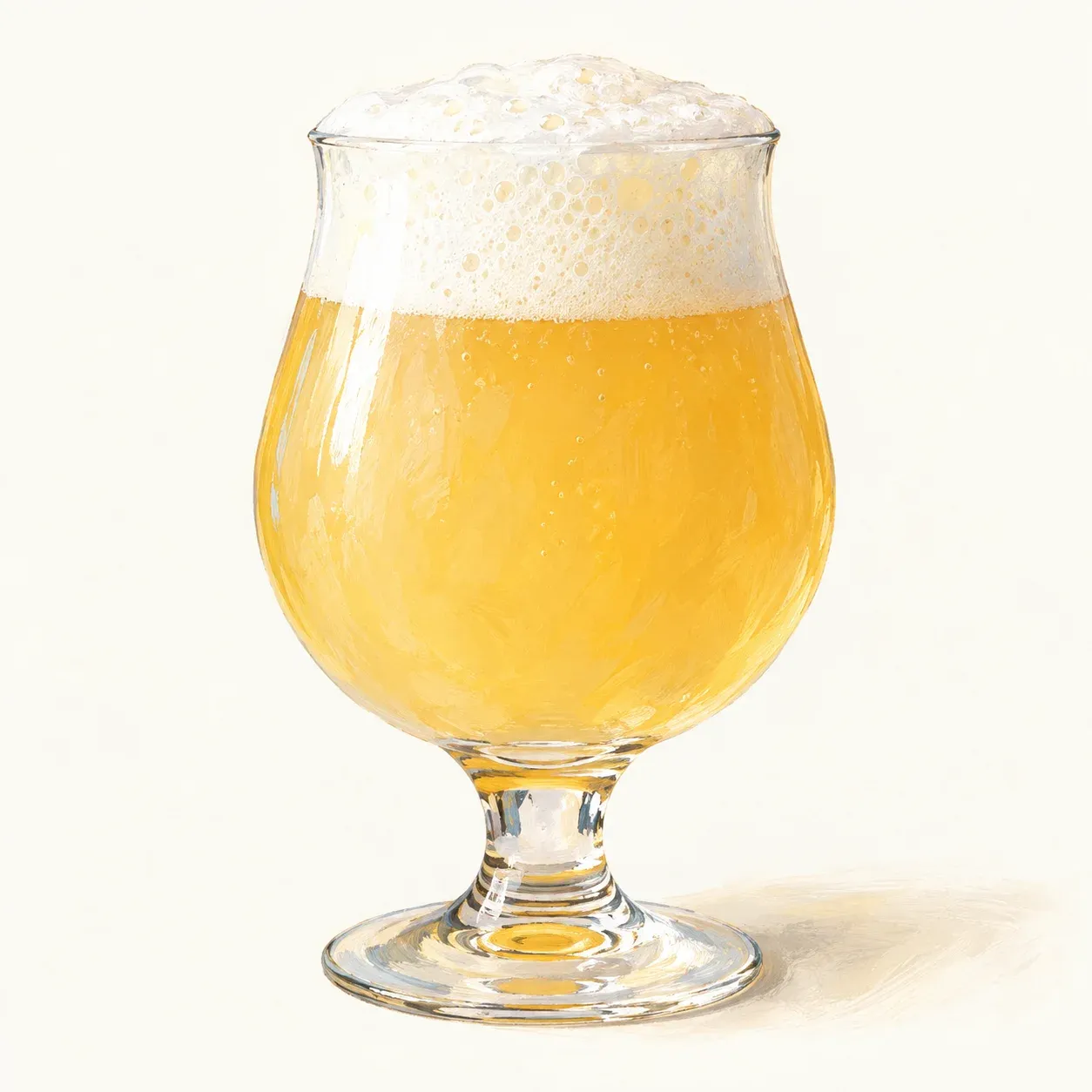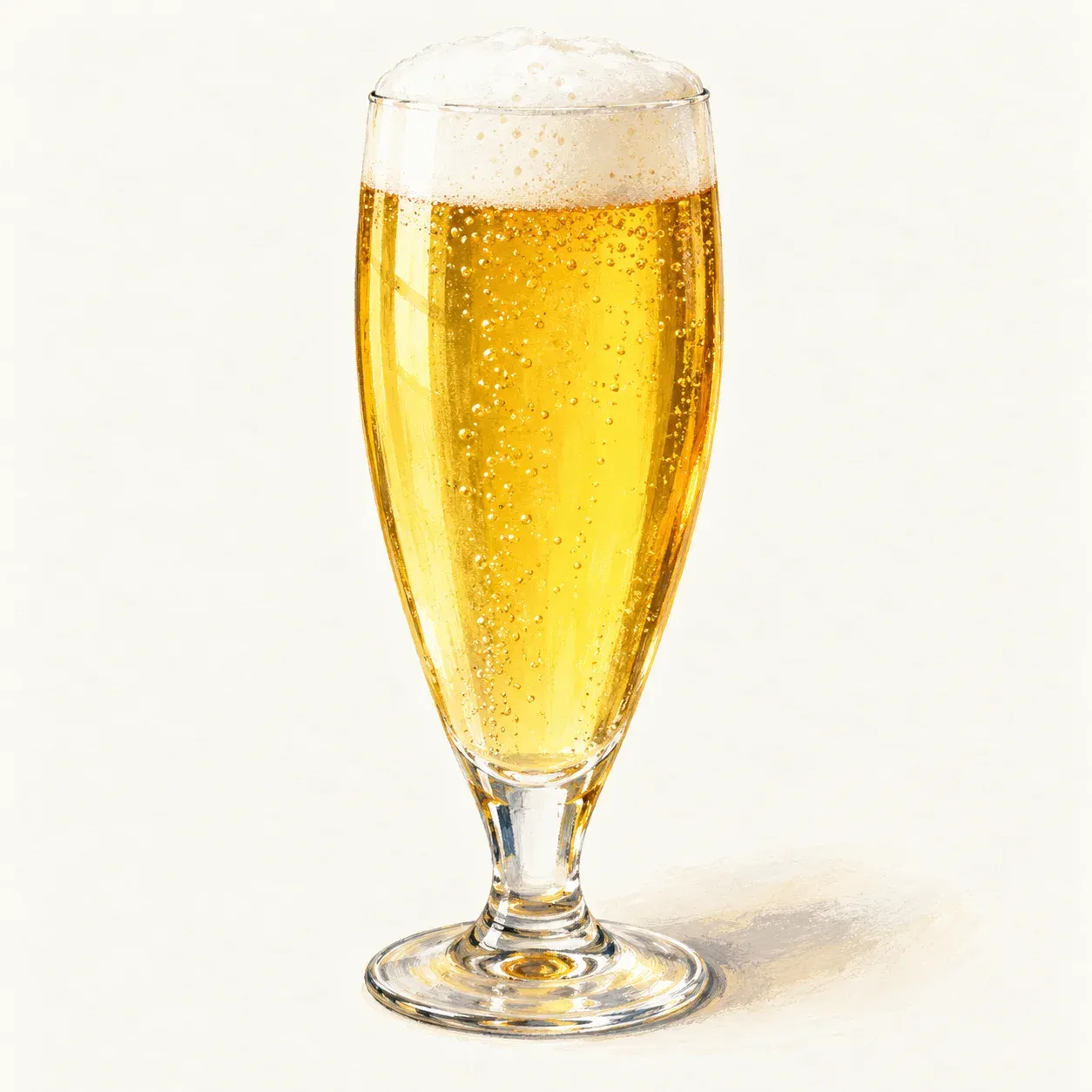
An international pale lager pours pale straw to gold, brilliant clear, under a white, frothy head that may not last. It tastes clean and light, with soft grain, a little bitterness and lots of carbonation, and finishes dry. Served cold, it quenches thirst. No single flavour stands out.
Where it comes from
In the United States brewers developed it as a premium version of the standard American lager. Elsewhere it grew either as an imitation of American lager or as a gentler, often drier and less bitter take on the pilsner. Large international breweries brew and export most of it, and some label it Pilsner, which confuses the picture.
Brewers use two- or six-row barley, sometimes with rice, corn or sugar, though many are all malt. Beer judges treat a skunky smell as a handling fault.
How to serve it
Pour it cold, at 4–7 °C, into a flute. It works with spicy noodle soups such as pho.
Next to its neighbours
It is more bitter and filling than a standard American lager, and less hoppy and bitter than a German Pils. Next to a Czech Pilsner it has less body, malt and hop character. The fuller versions come near a Munich Helles.
International Pale Lager in numbers
- Original gravity
- 1.042–1.050
- Final gravity
- 1.008–1.012
- Food
- Pho; smear-ripened cheeses; kettle corn
- Classic examples
- Heineken; Asahi Super Dry; Birra Moretti; Corona Extra; Red Stripe; Singha
- BJCP style
- 2A International Pale Lager
Sources
Checked .
- 2A. International Pale Lager, 2021 Beer Style Guidelines — Beer Judge Certification Program
- American Lager — CraftBeer.com, Brewers Association