Guides
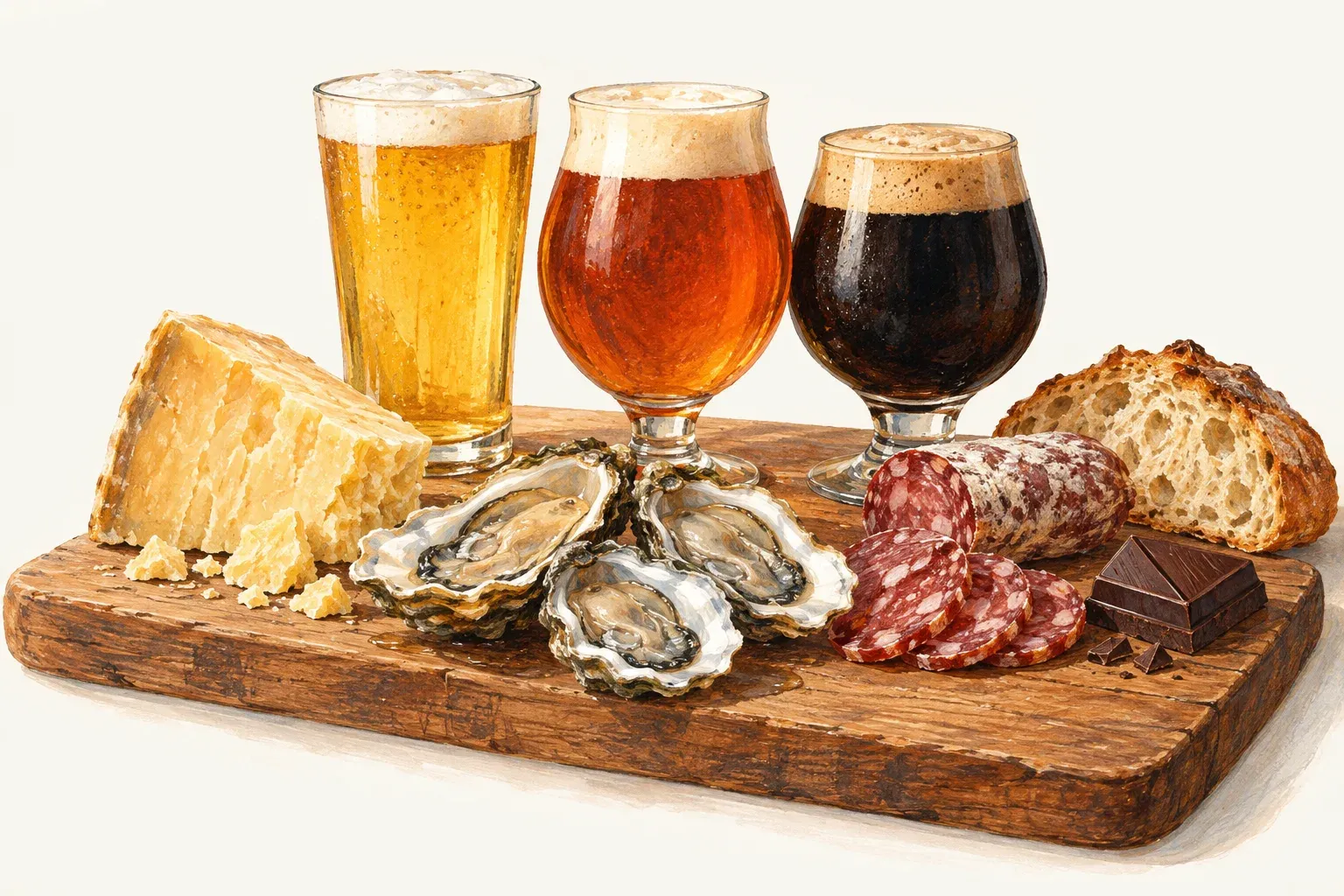
Beer and food: what to eat with each beer style
Beer and food pairing by style: a main dish, a cheese and a dessert for each of the 31 beer styles on BeerCorp.
Thirty-one beer styles explained: how each one tastes, how strong and bitter it is, where it comes from and who brews the classics.
About BeerCorp
A beer list can read like a foreign language. Gose, Kölsch, Dubbel, Wee Heavy: each name stands for a way of brewing that a town, an abbey or a family worked out over decades, sometimes centuries. BeerCorp explains them, one style at a time.
Each style page gives you the numbers that define a beer, its strength, bitterness and colour, then how it tastes, where it comes from, how to pour it and which beers show it best. You can browse by family, colour, country or brewery, so a pilsner you already know leads you to its relatives. The history, stories and guides cover the rest, from the Bavarian beer law of 1516 to the myths around India pale ale.
The numbers follow the style guidelines of the Beer Judge Certification Program and the Brewers Association. The history comes from the breweries’ own records and the Oxford Companion to Beer, and every page lists its sources at the end. lordtime writes and edits the site. Start with a style you already like, or with the glossary if a label puzzles you.
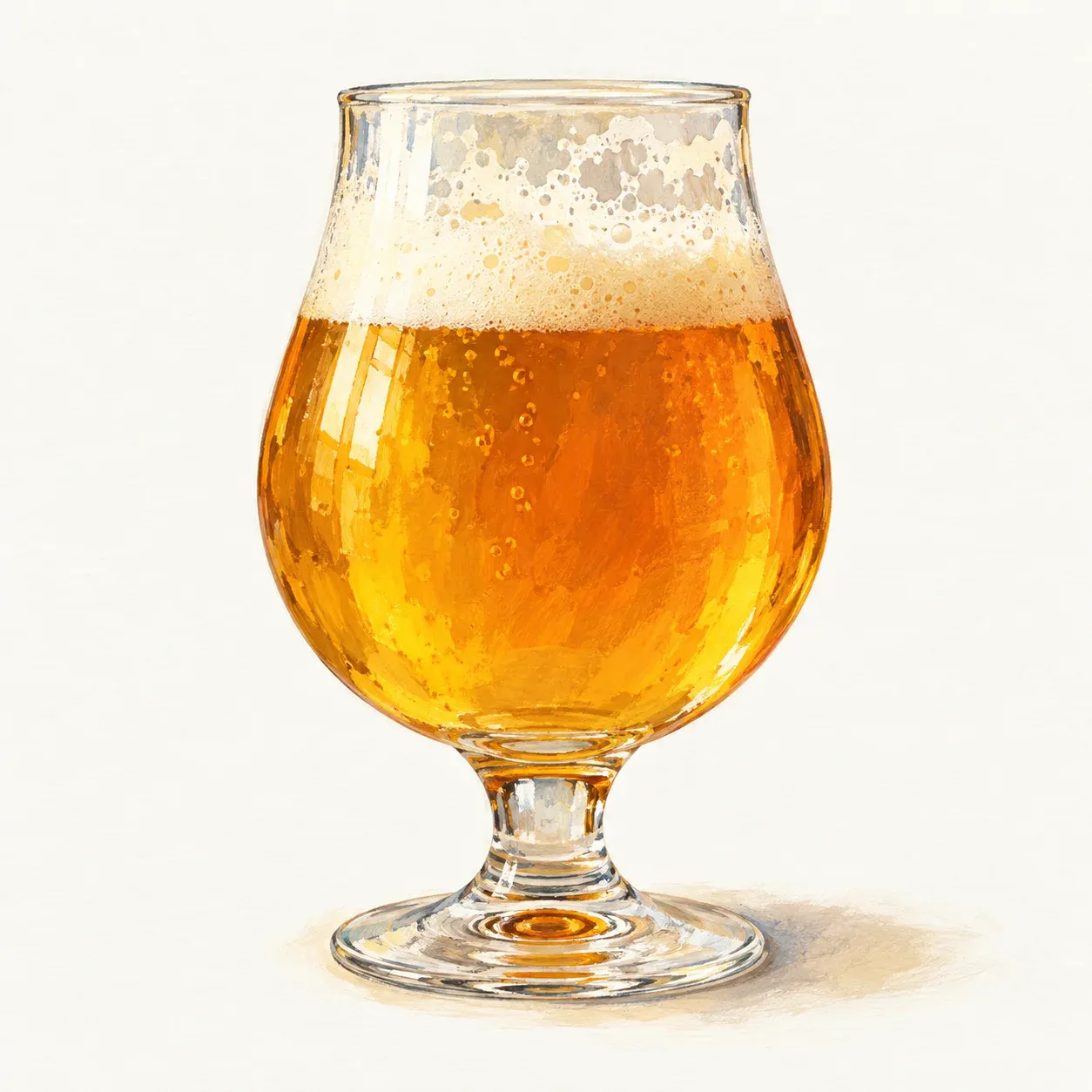
American IPA: a strong, bitter pale ale built around American hops, from citrus and pine to tropical fruit. Strength, bitterness, glass and classic examples.
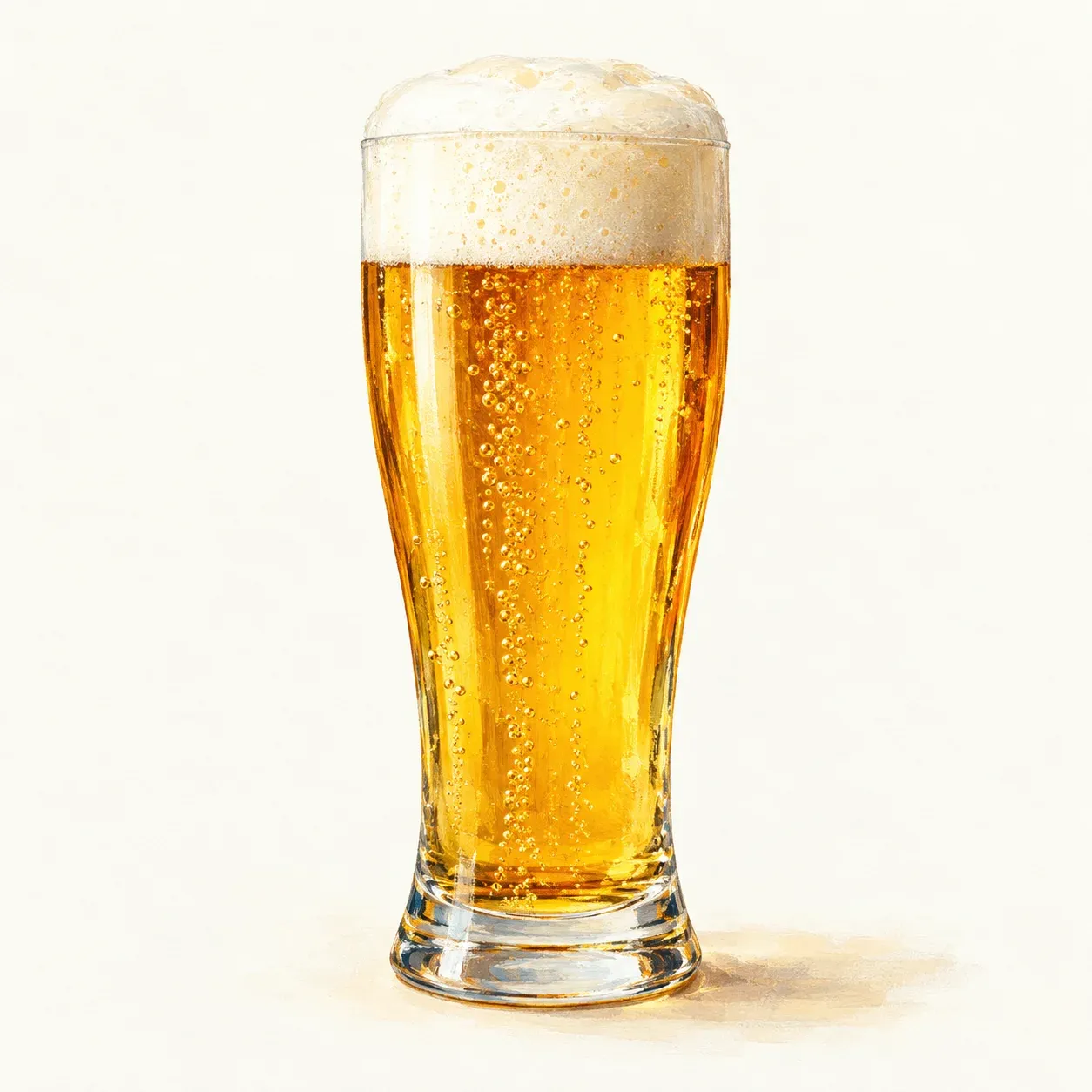
Czech Pilsner: a gold lager with bready malt and a soft, spicy hop bitterness, first brewed in Plzeň in 1842. Strength, bitterness, glass and classic examples.
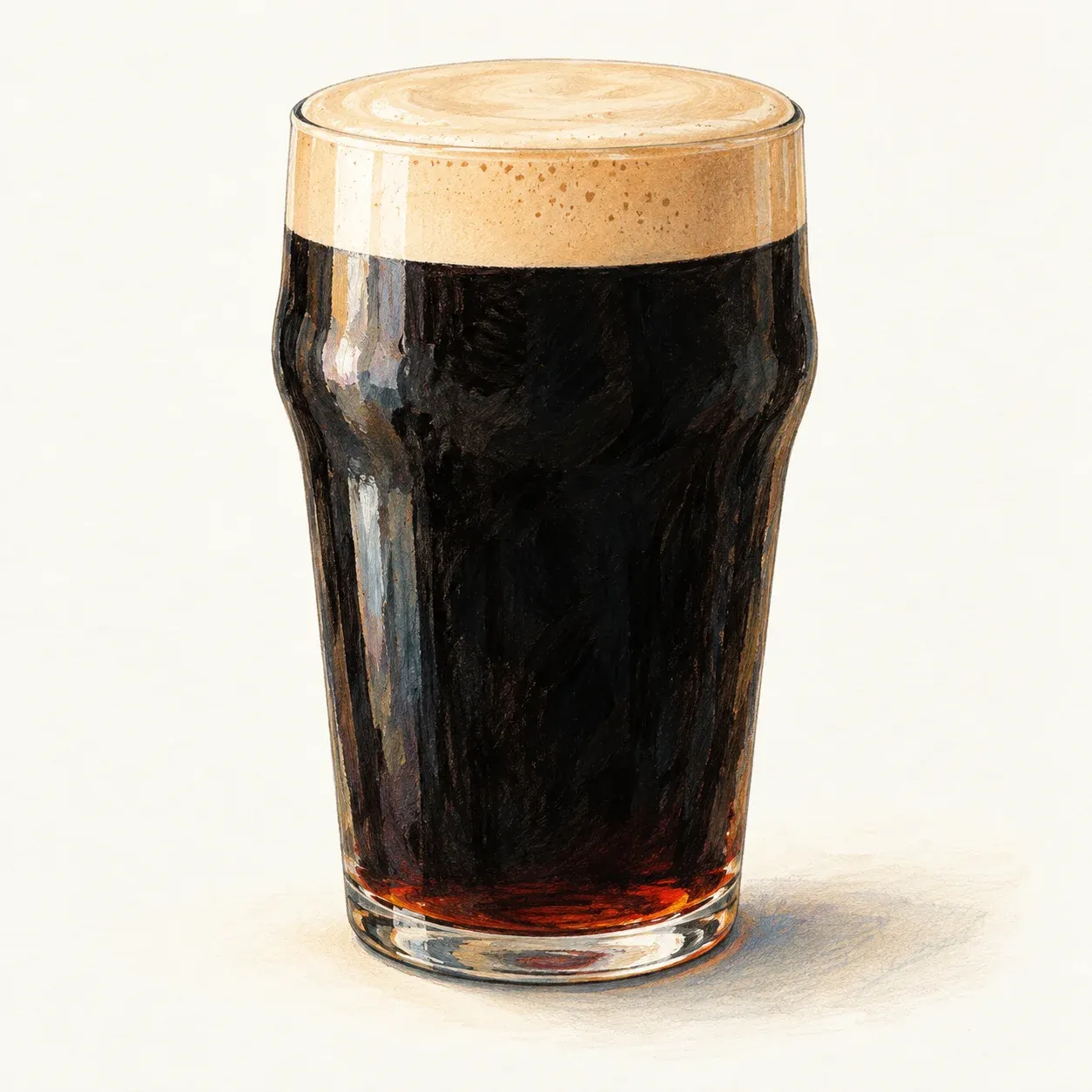
Irish dry stout: a black, roasty, bitter ale with a coffee note and a creamy head on draught, the style of Guinness. Strength, bitterness, glass and classic examples.
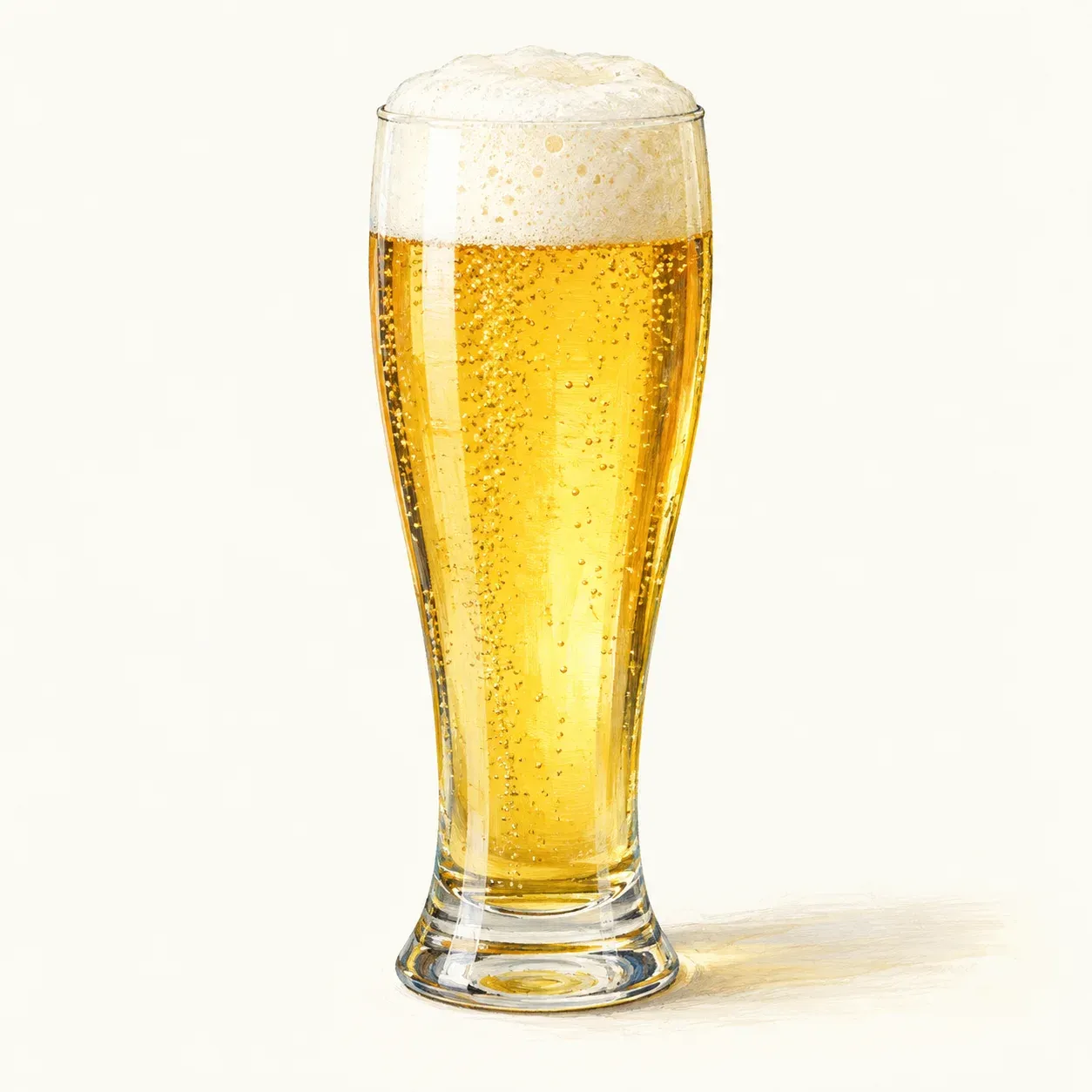
German Pils: a pale, dry, bitter lager with a bright hop aroma, adapted from the Czech original in the 1870s. Strength, bitterness, glass and classic examples.
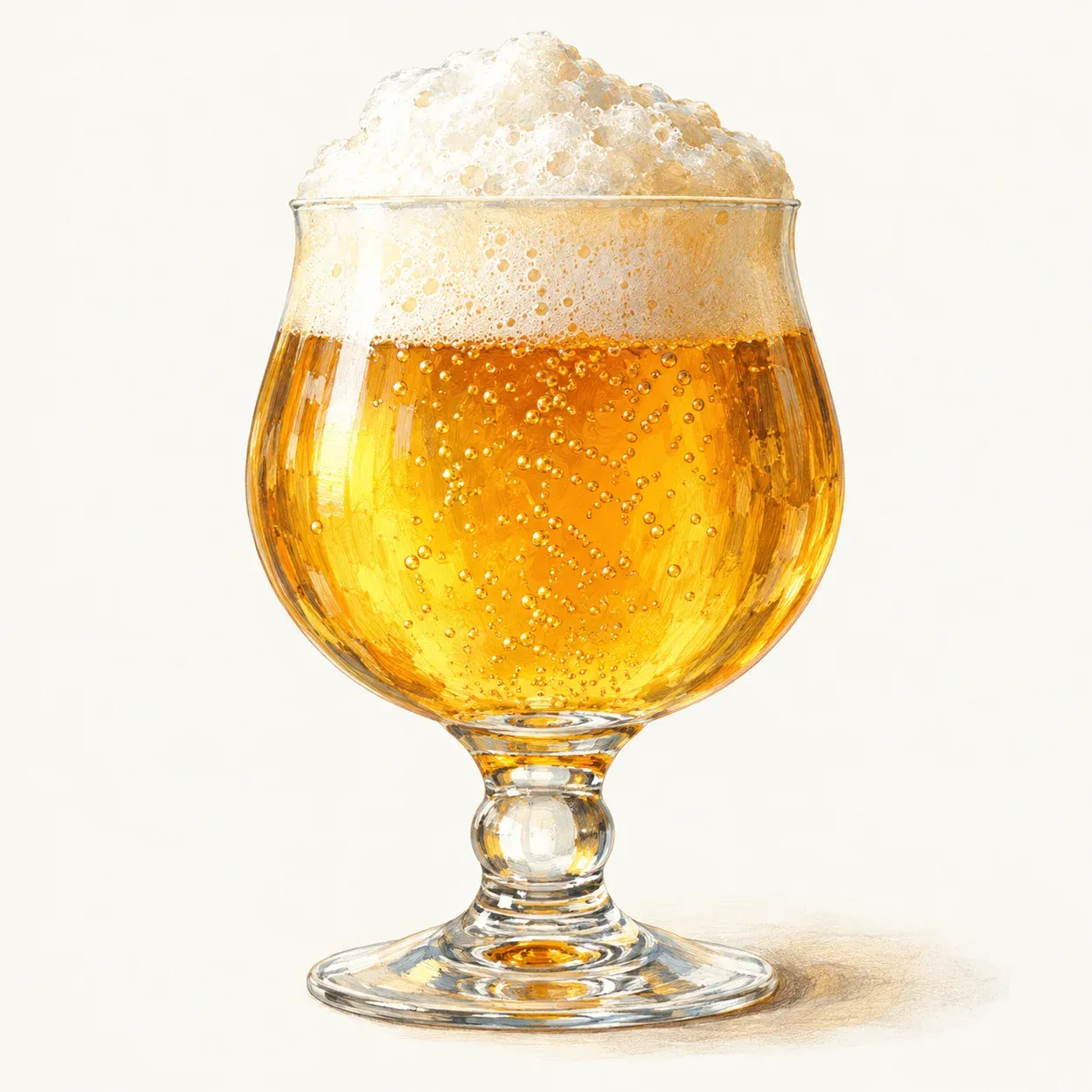
Belgian Tripel: a strong, pale, dry abbey ale with spicy yeast and fruity notes, made famous by Westmalle. Strength, bitterness, glass and classic examples.
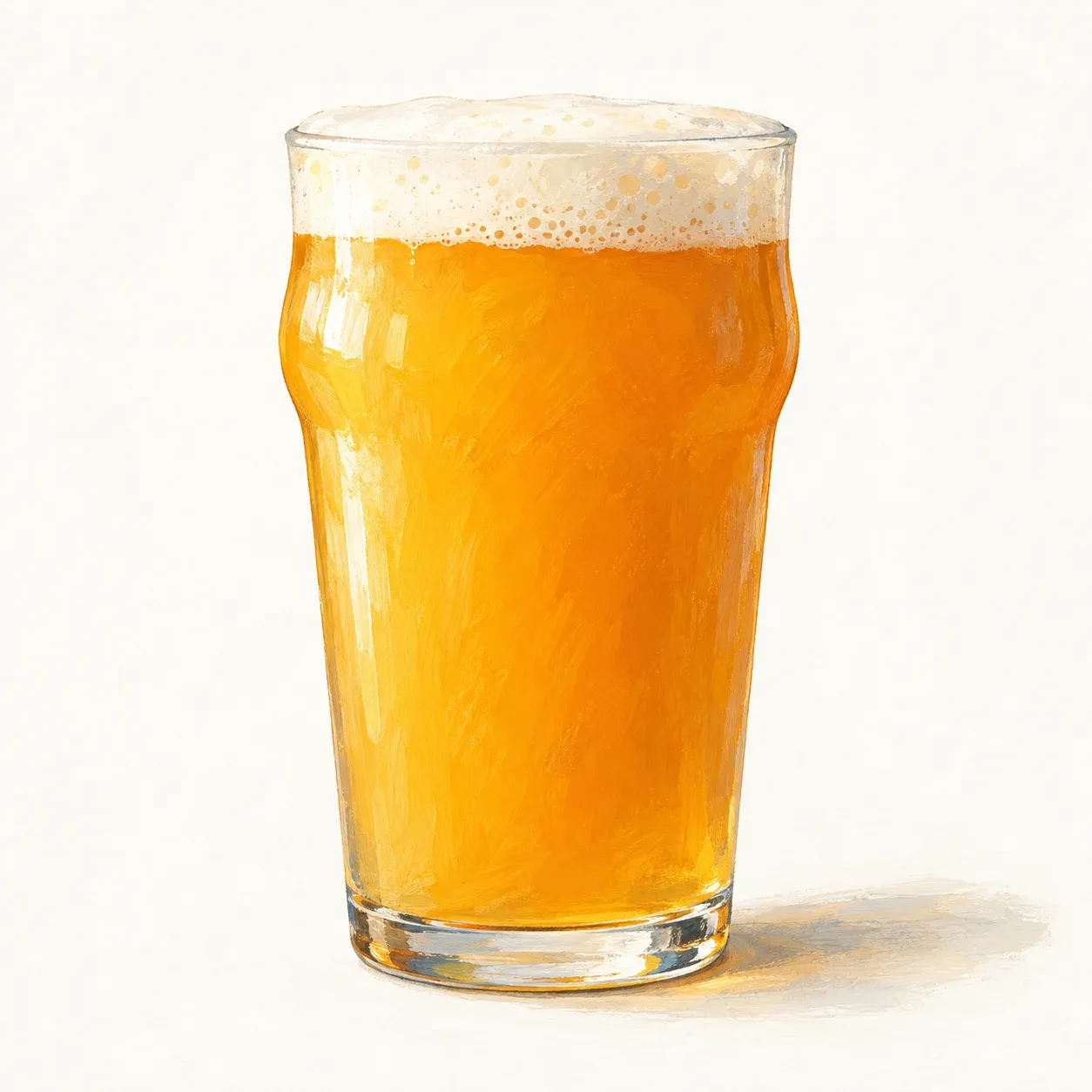
Hazy IPA, or New England IPA: a soft, juicy, hazy IPA bursting with tropical fruit from late hops, with low bitterness. Strength, glass and how it is made.
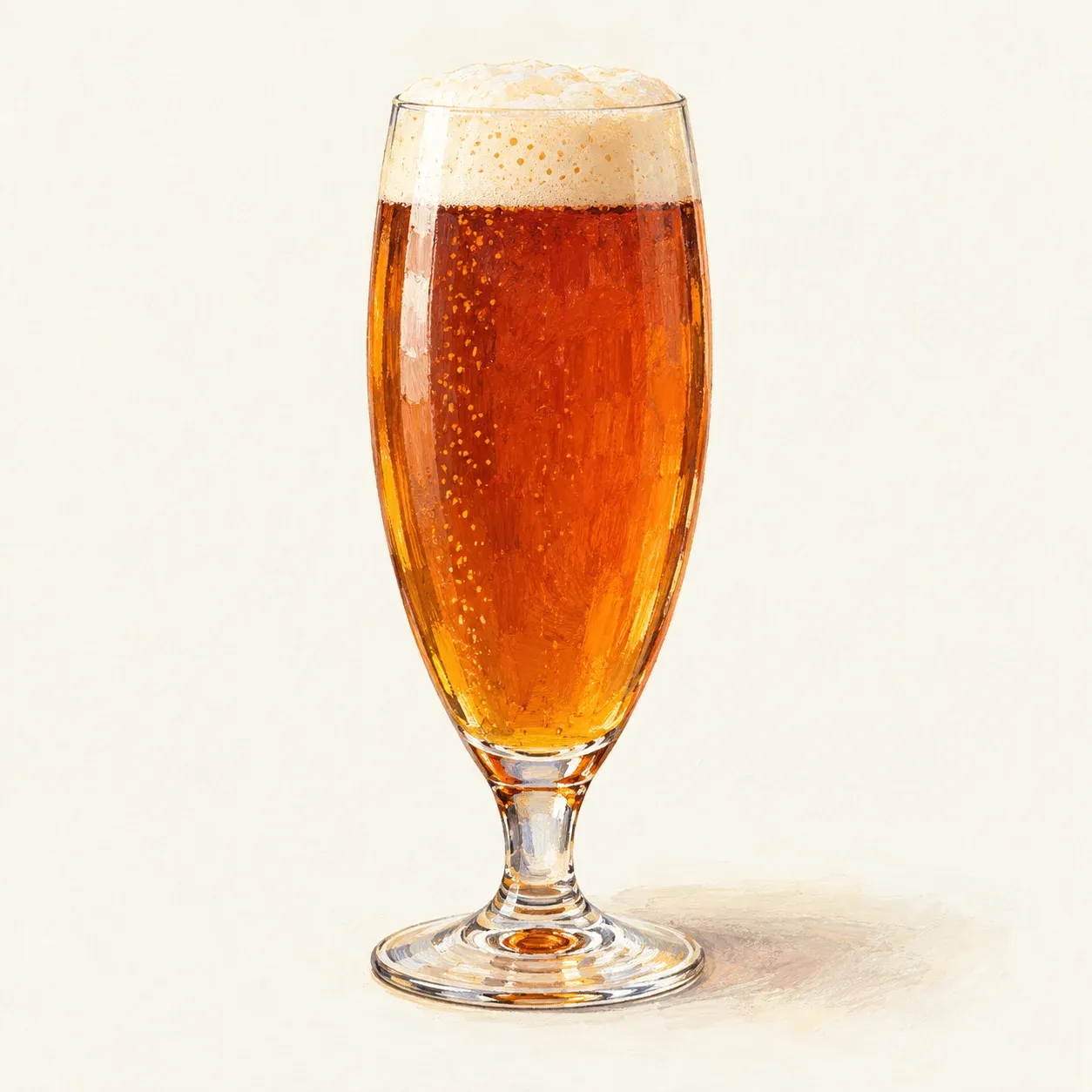
Märzen: an amber German lager with rich, toasty malt and a dry finish, brewed in March and served at Oktoberfest until 1990. Strength, bitterness, glass and examples.
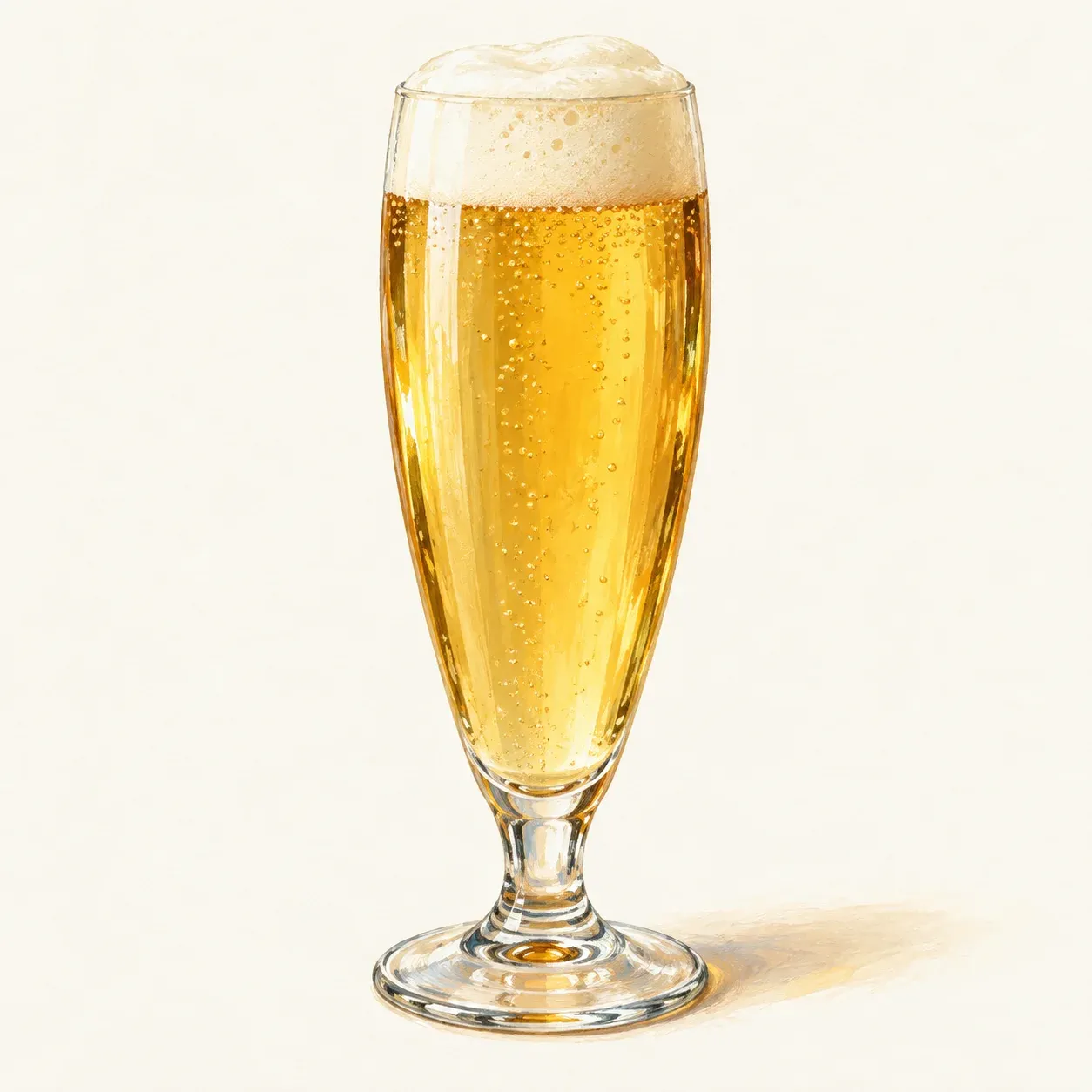
Munich Helles: a gold Bavarian lager, soft and malty with a dry finish, created in Munich in 1894. Strength, bitterness, glass and classic examples.
Every style with its strength, bitterness, colour, glass and classic examples.
The breweries behind the classic examples, A to Z.
How beer was brewed and drunk through the ages.
The people, places and myths behind the beers.
Glassware, serving temperature, tasting and reading a label.
Brewing words from ABV to yeast.
Beer and food pairing by style: a main dish, a cheese and a dessert for each of the 31 beer styles on BeerCorp.
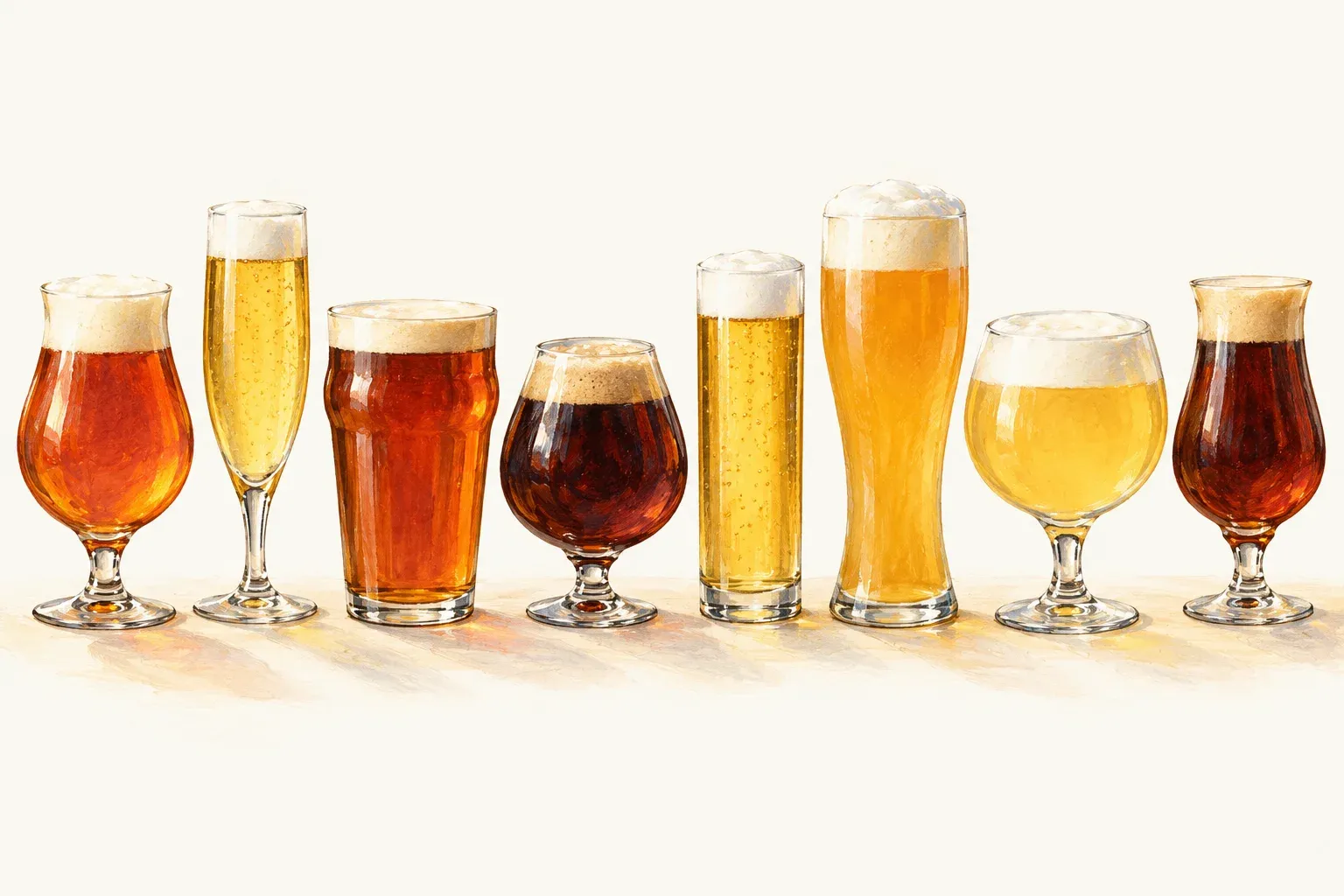
Beer glassware by style: tulip, flute, nonic pint, snifter, Stange and more, and which of the 31 beer styles each one suits.
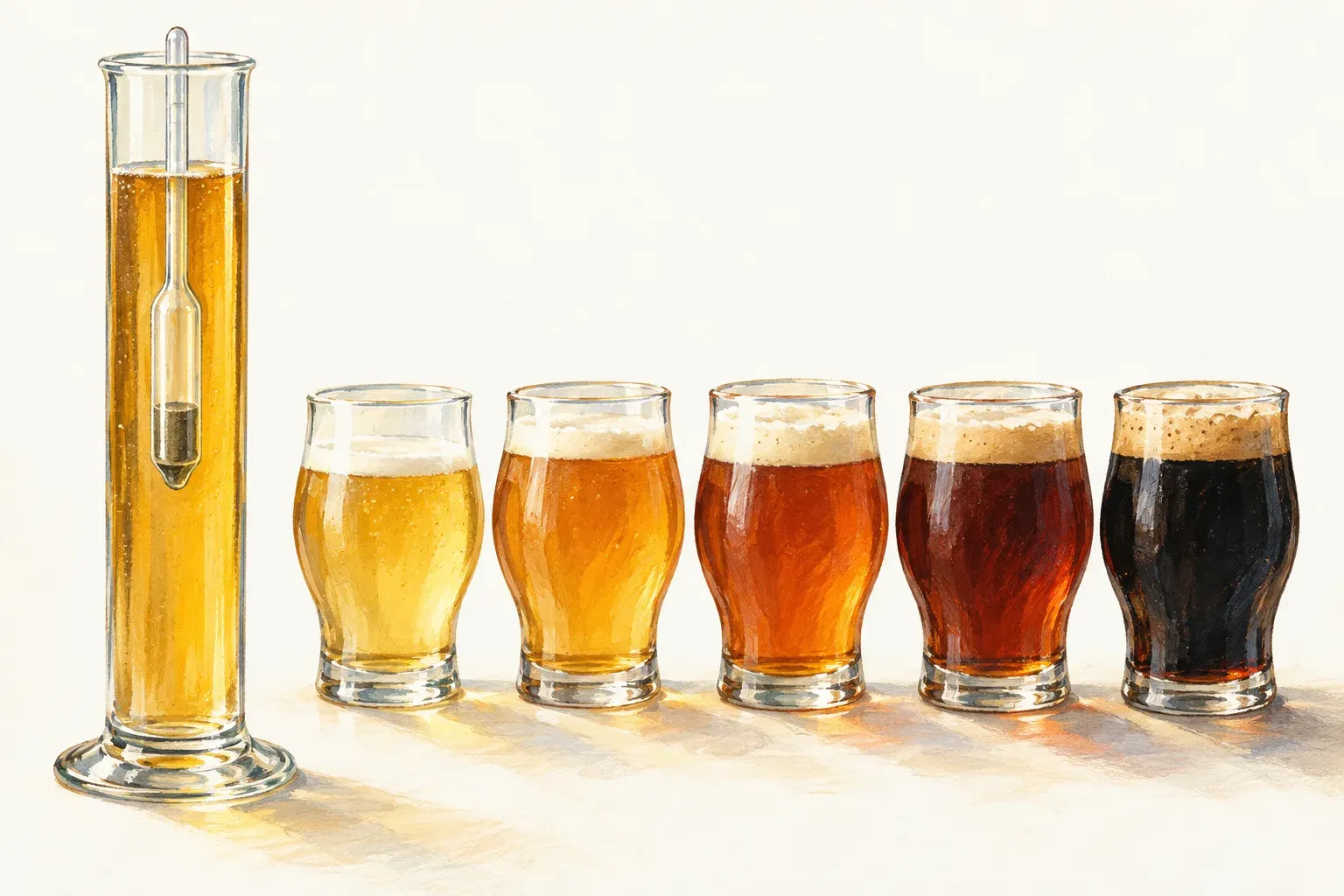
What the numbers on a beer mean: ABV for strength, IBU for bitterness, SRM and EBC for colour, and original and final gravity, with the BJCP strength bands.
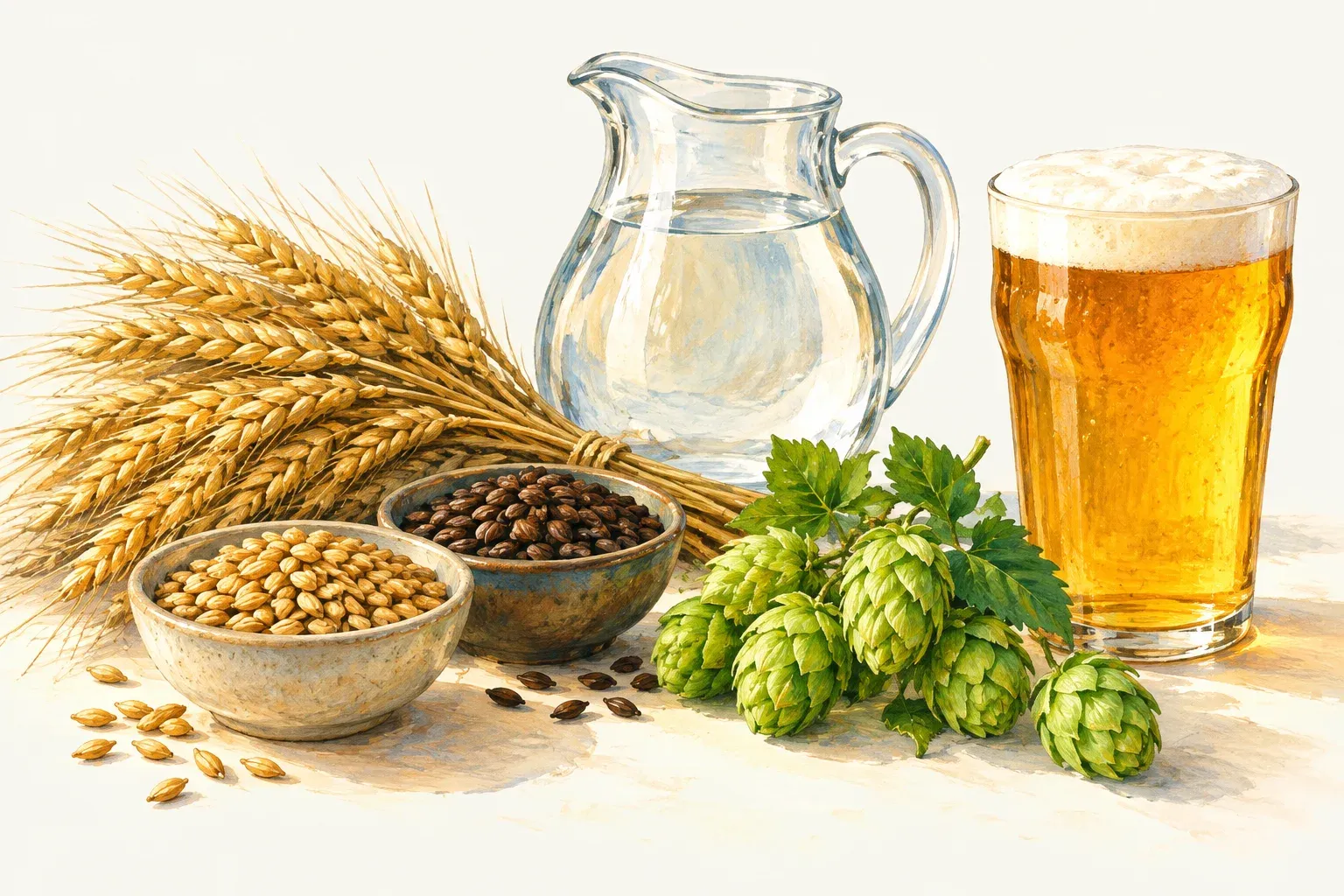
How beer is made: malting, mashing, lautering, boiling with hops, fermenting, conditioning and packaging, step by step in plain English.