Märzen
Märzen: an amber German lager with rich, toasty malt and a dry finish, brewed in March and served at Oktoberfest until 1990. Strength, bitterness, glass and examples.
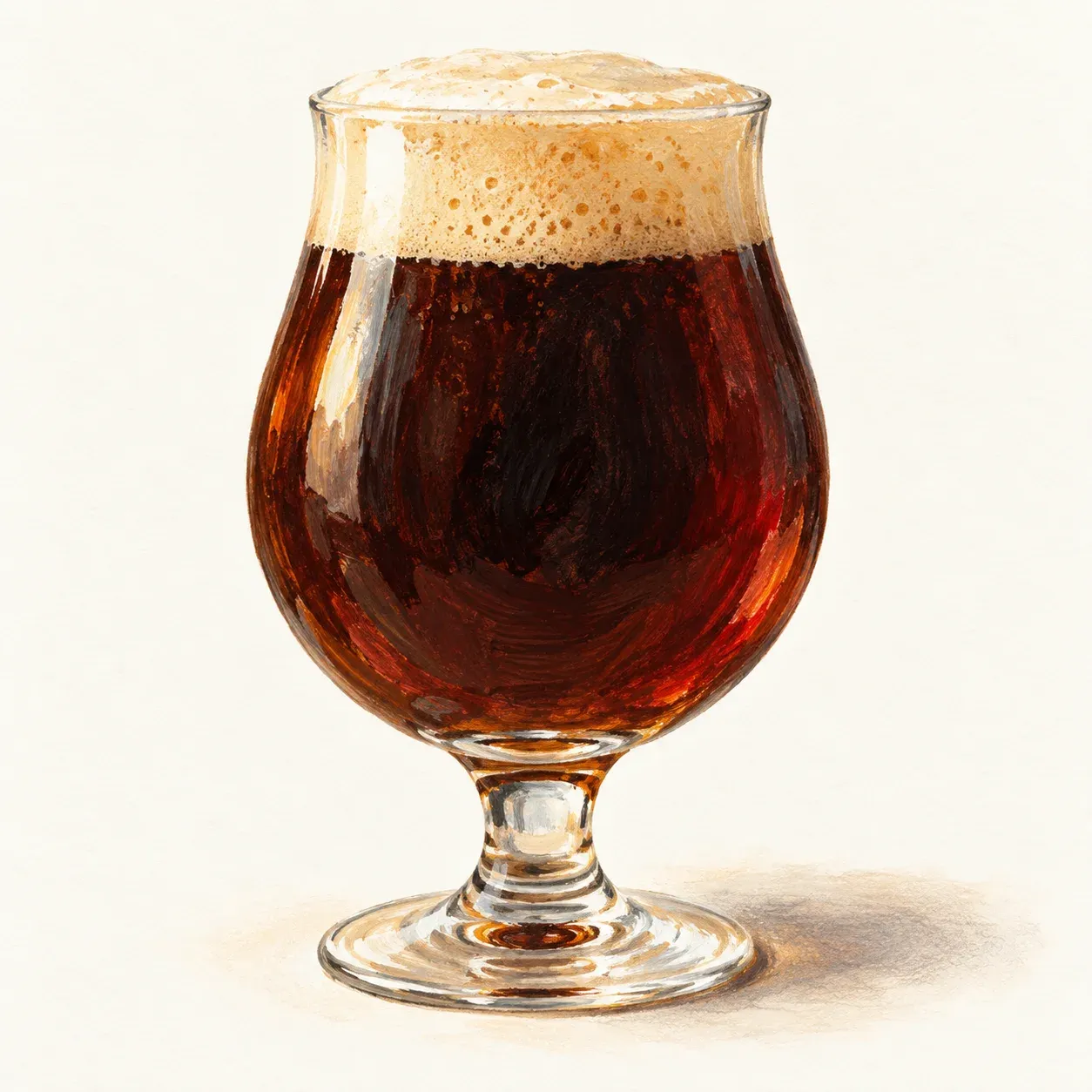
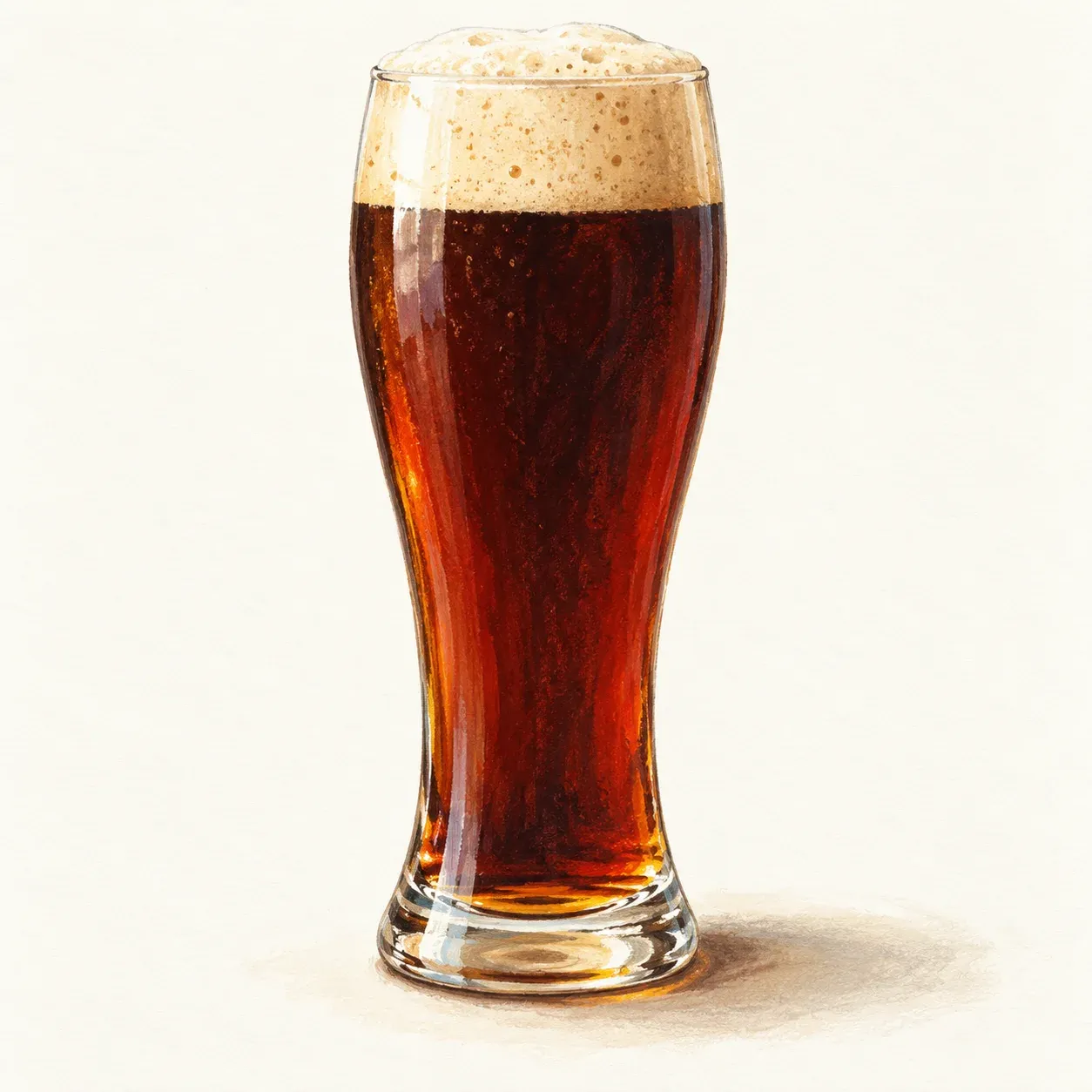
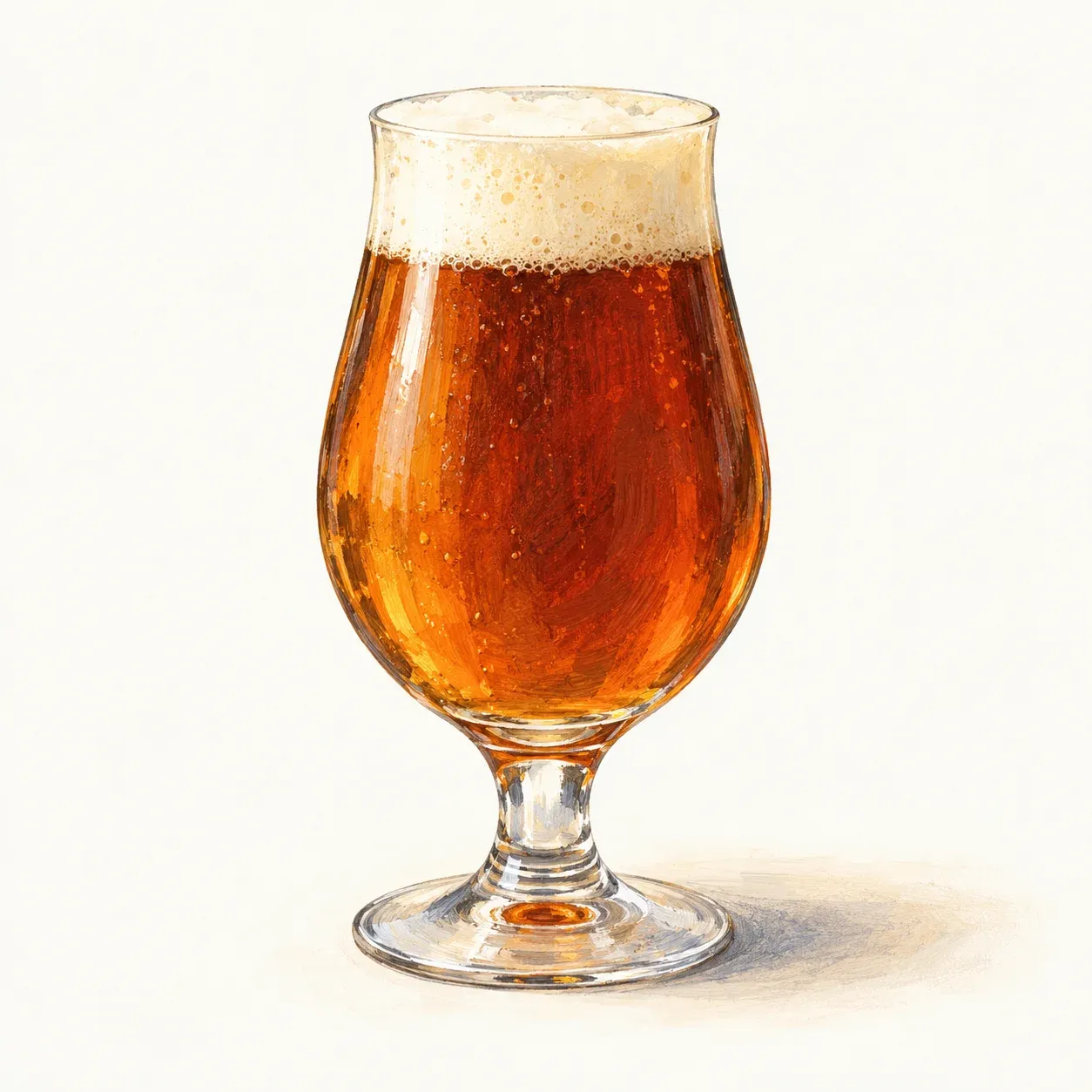
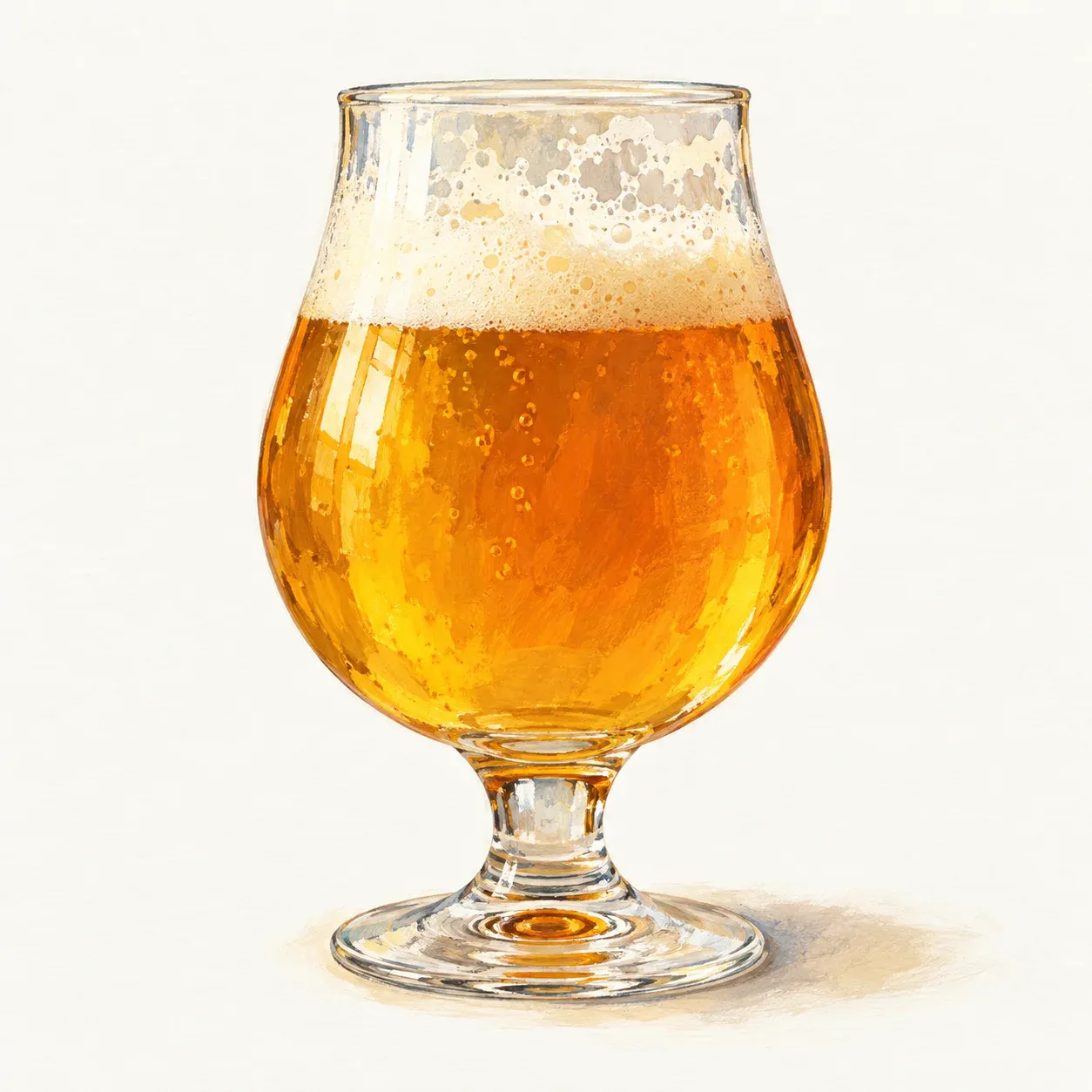
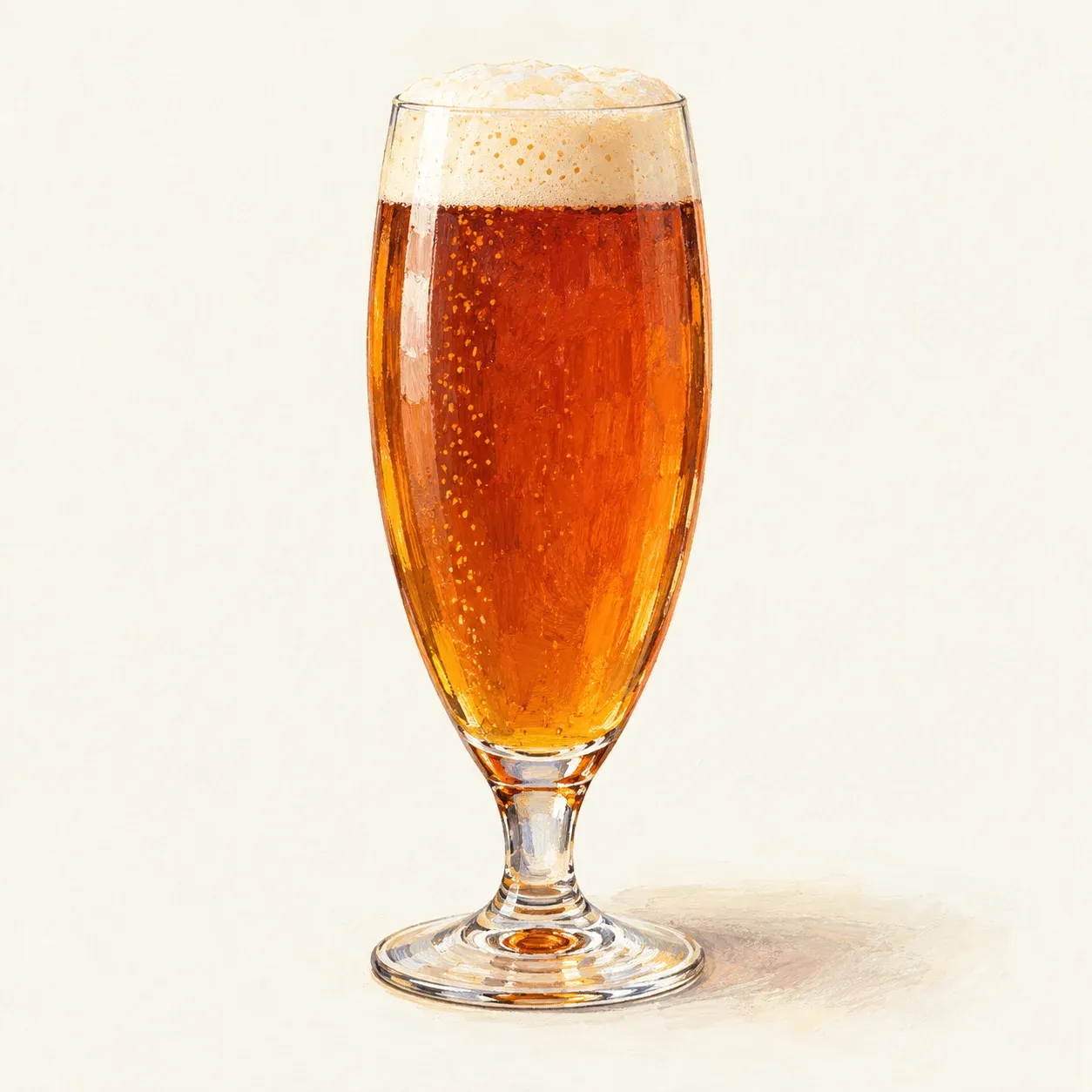
A Märzen glows amber-orange to reddish copper, clear under an off-white head. The malt carries it: bread crust and toast, rich and a little sweet on the first sip, then a moderate bitterness that dries the finish. The malt stays in your mouth after you swallow, without any heaviness.
Where it comes from
The name means March beer: Bavarian brewers brewed a stronger beer in March and stored it in cold caves through the summer. The name is older than the style: early Märzen ran dark brown, and the word marked a strength of about 14 °Plato. The amber version traces back to the lager Spaten brewed in 1841, the same years Vienna lager appeared.
Munich served amber Märzen at the Oktoberfest from 1872 until 1990, when the paler, lighter Festbier took over. Beers sold abroad as Oktoberfest usually follow the amber Märzen. Brewers lean on Munich malt and often use a decoction mash, boiling part of the mash to deepen the malt flavour.
How to serve it
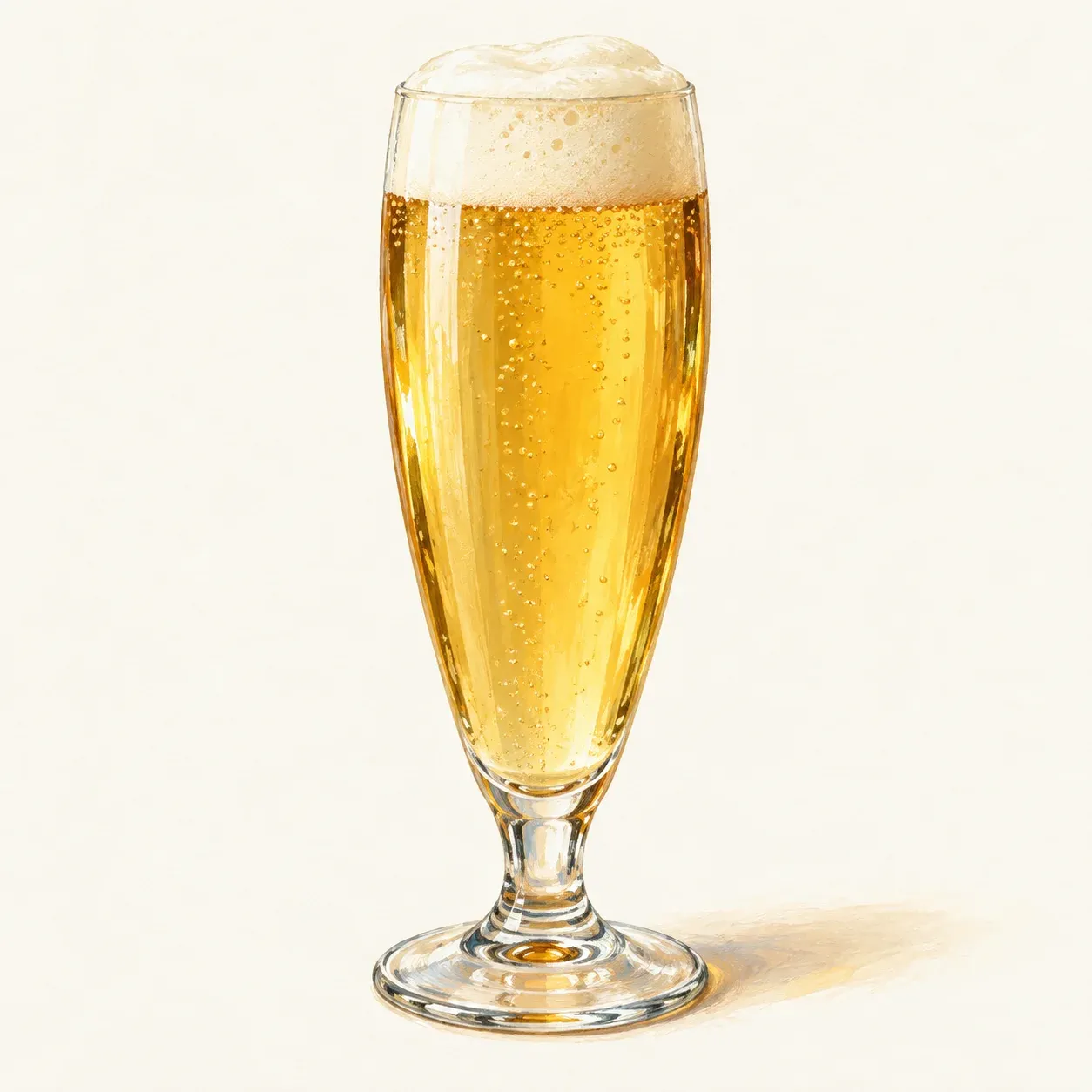
Pour it at 7–10 °C into a flute. It suits sausages such as kielbasa and a cheese with a little heat, like Jalapeño Jack.
Next to its neighbours
A Märzen has more malt depth and body than a Festbier, with slightly less hop. A dunkles bock is stronger and richer. A Czech amber lager matches its malt but brings more hops.
Märzen in numbers
- Classic example
- Spaten
- Original gravity
- 1.054–1.060
- Final gravity
- 1.010–1.014
- Food
- Kielbasa; Jalapeño Jack; coconut flan
- Classic examples
- Paulaner Oktoberfest; Hacker-Pschorr Oktoberfest Märzen; Weltenburger Kloster Anno 1050; Hofmark Märzen; Saalfelder Ur-Saalfelder
- BJCP style
- 6A Märzen
Sources
Checked .
- 6A. Märzen, 2021 Beer Style Guidelines — Beer Judge Certification Program
- German-Style Marzen / Oktoberfest — CraftBeer.com, Brewers Association