Weissbier
Weissbier (Hefeweizen): a pale, cloudy Bavarian wheat beer with banana and clove from its yeast and a huge fluffy head. Strength, bitterness, glass and examples.
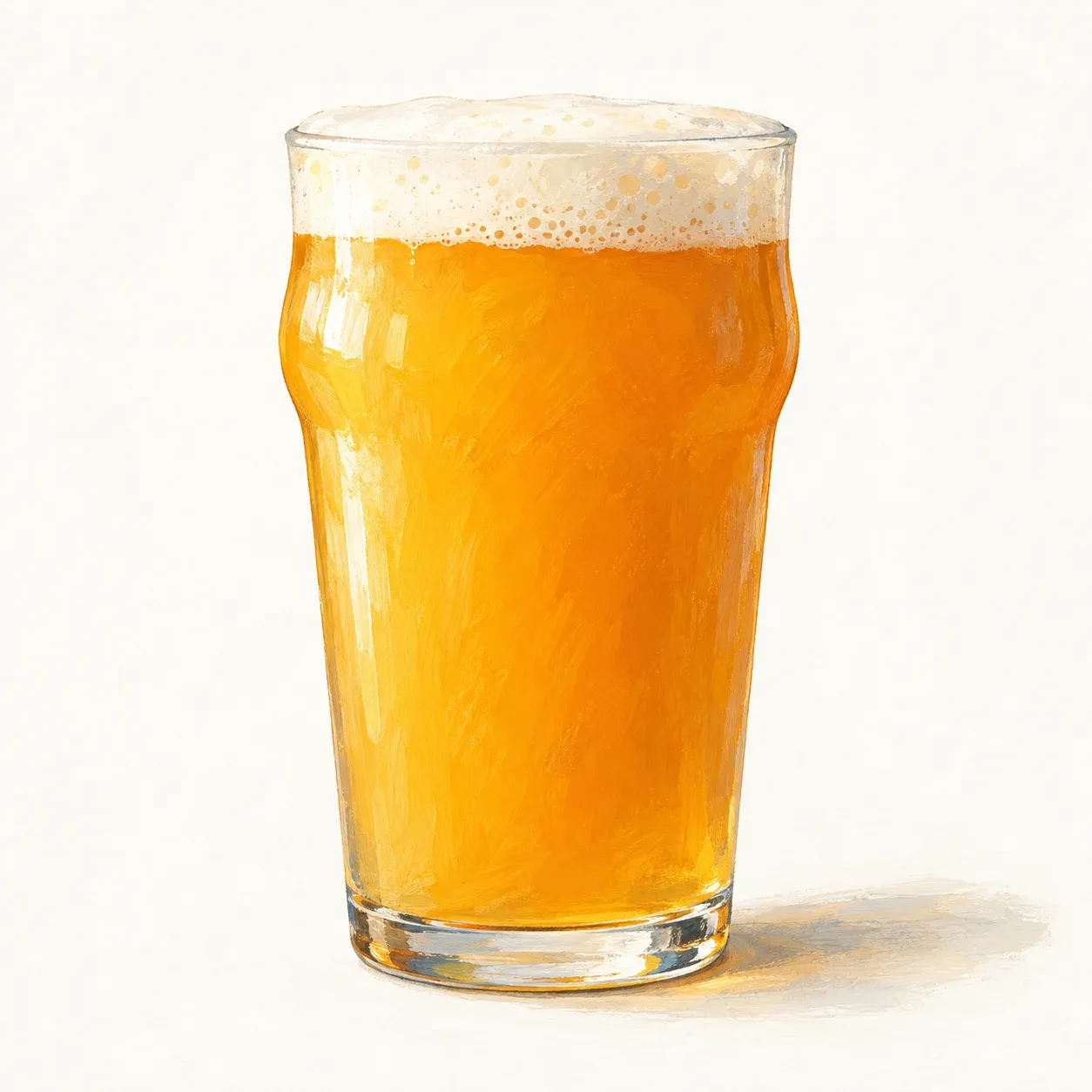
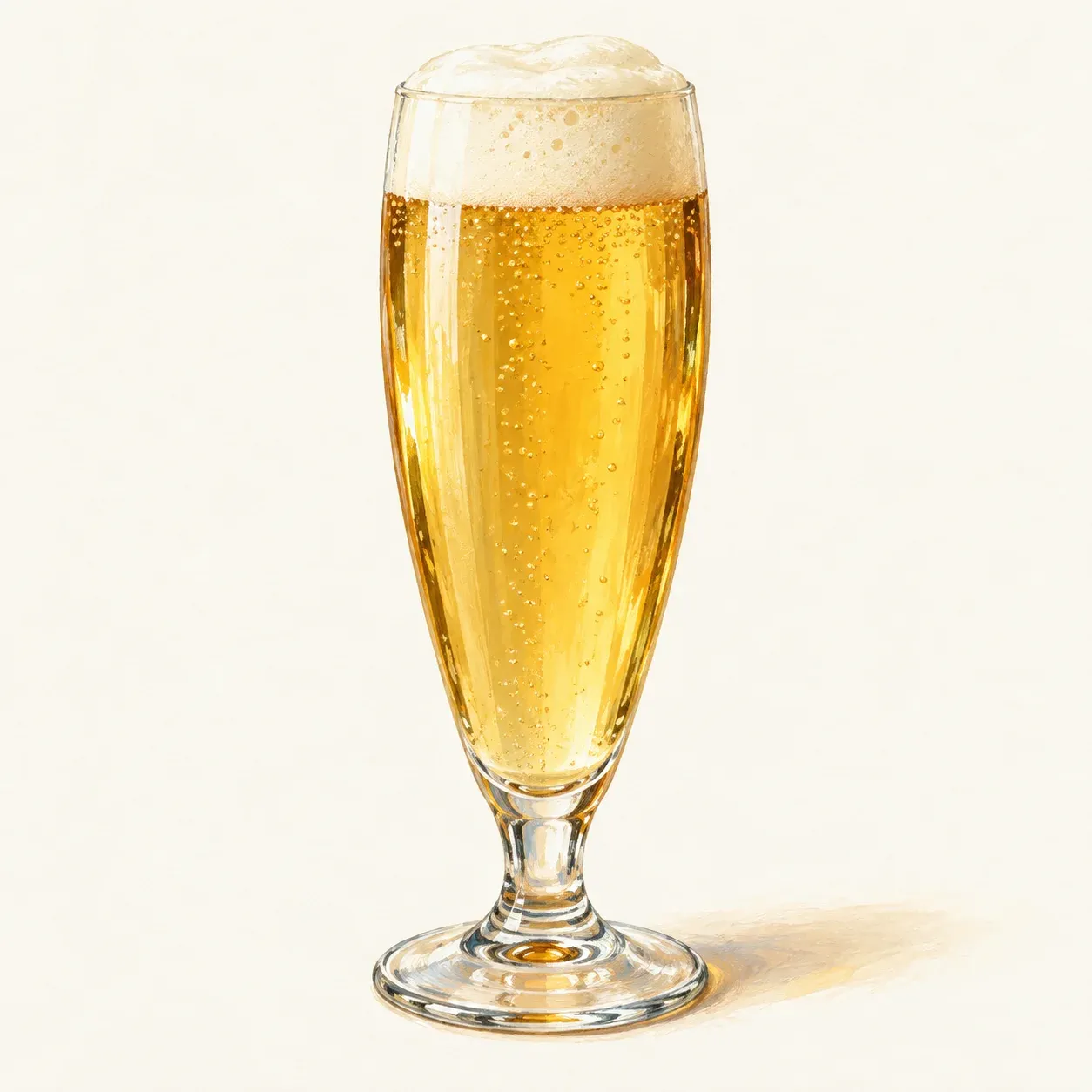
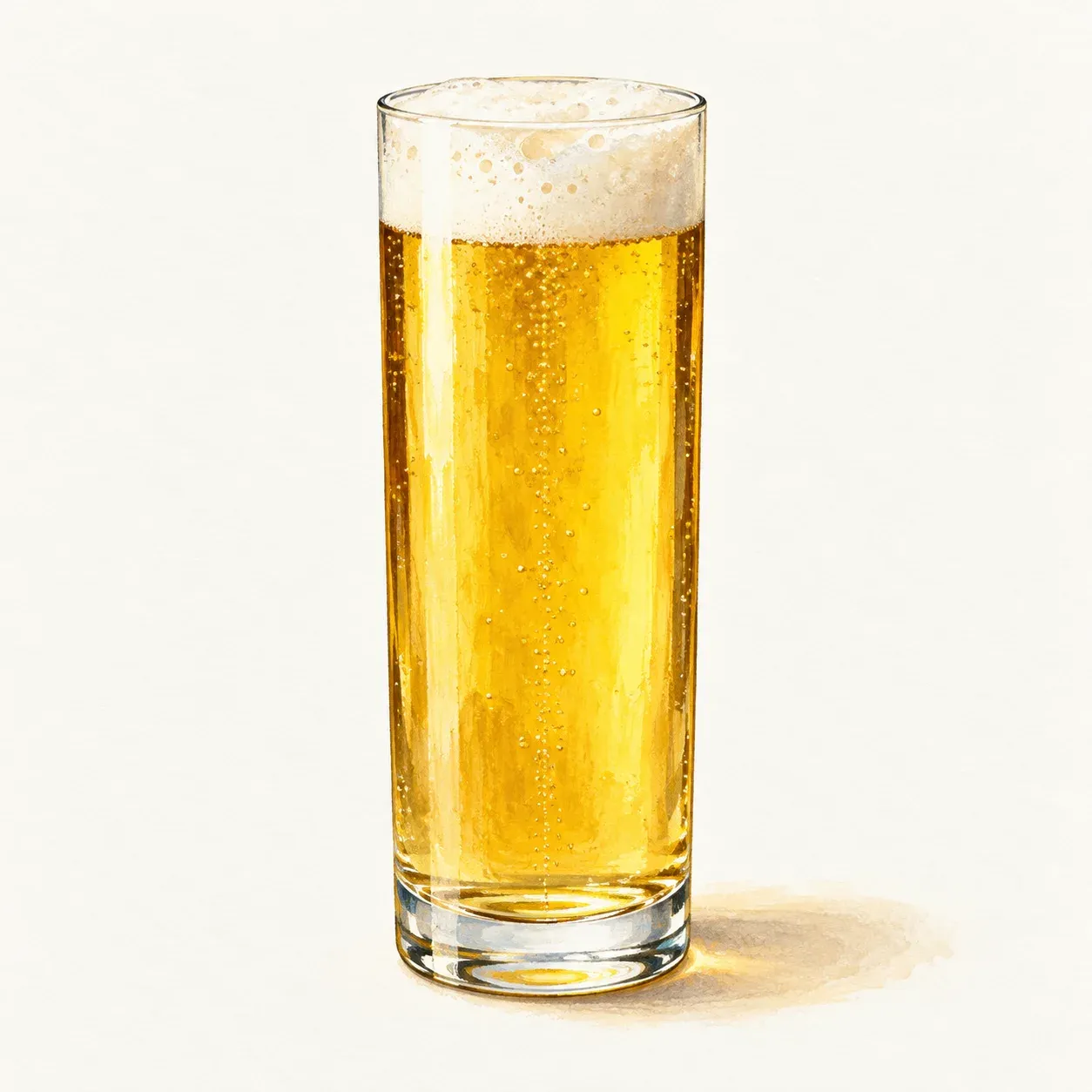
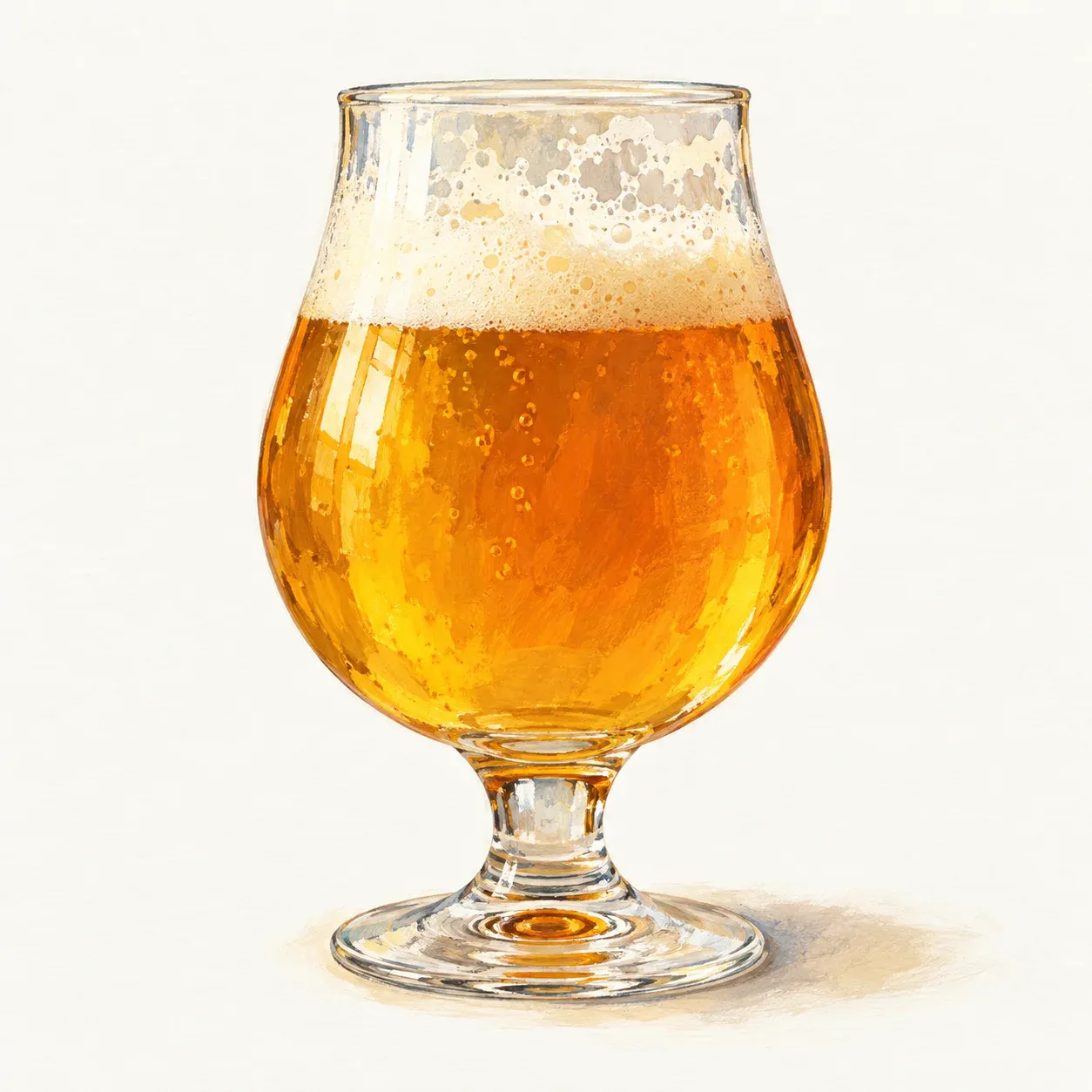
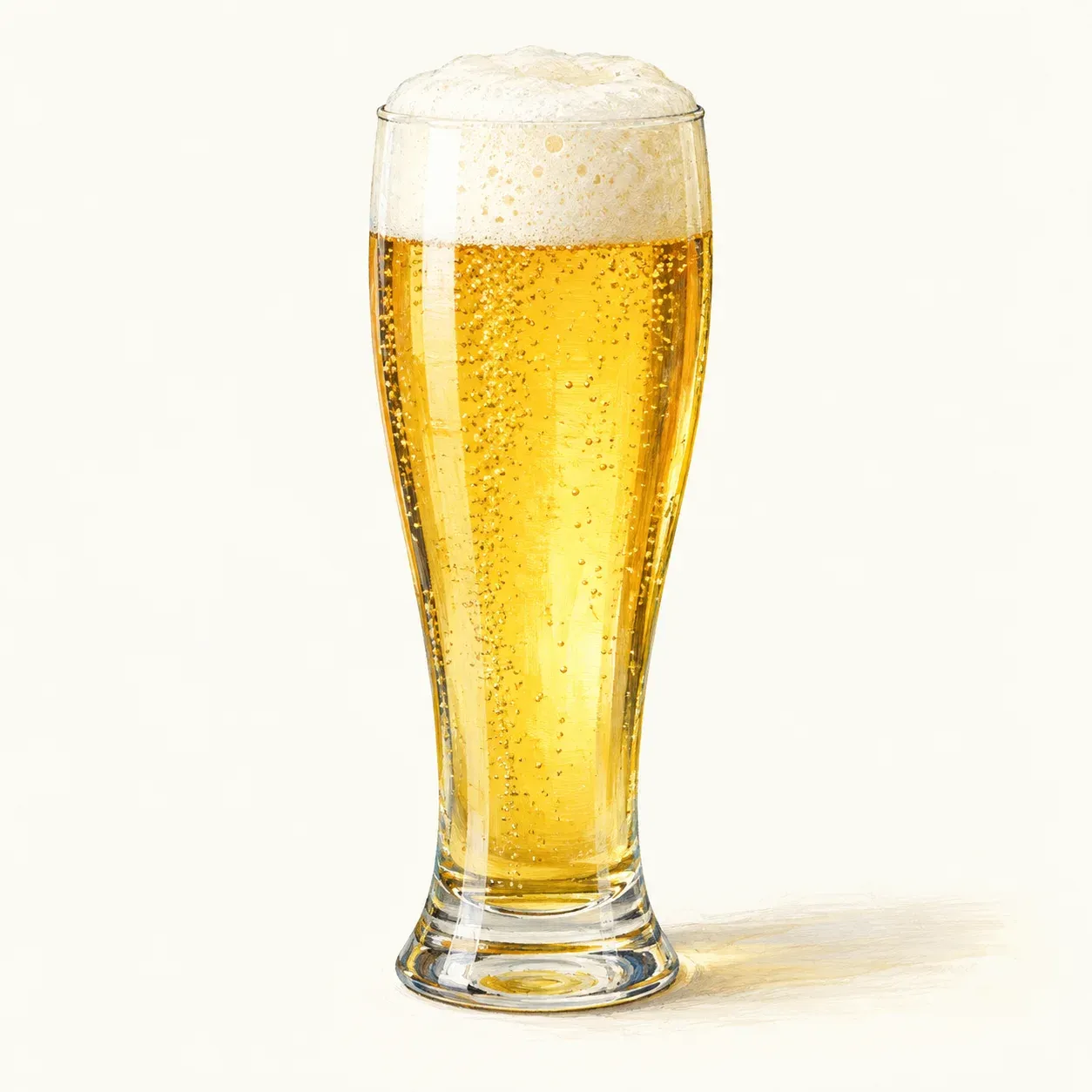
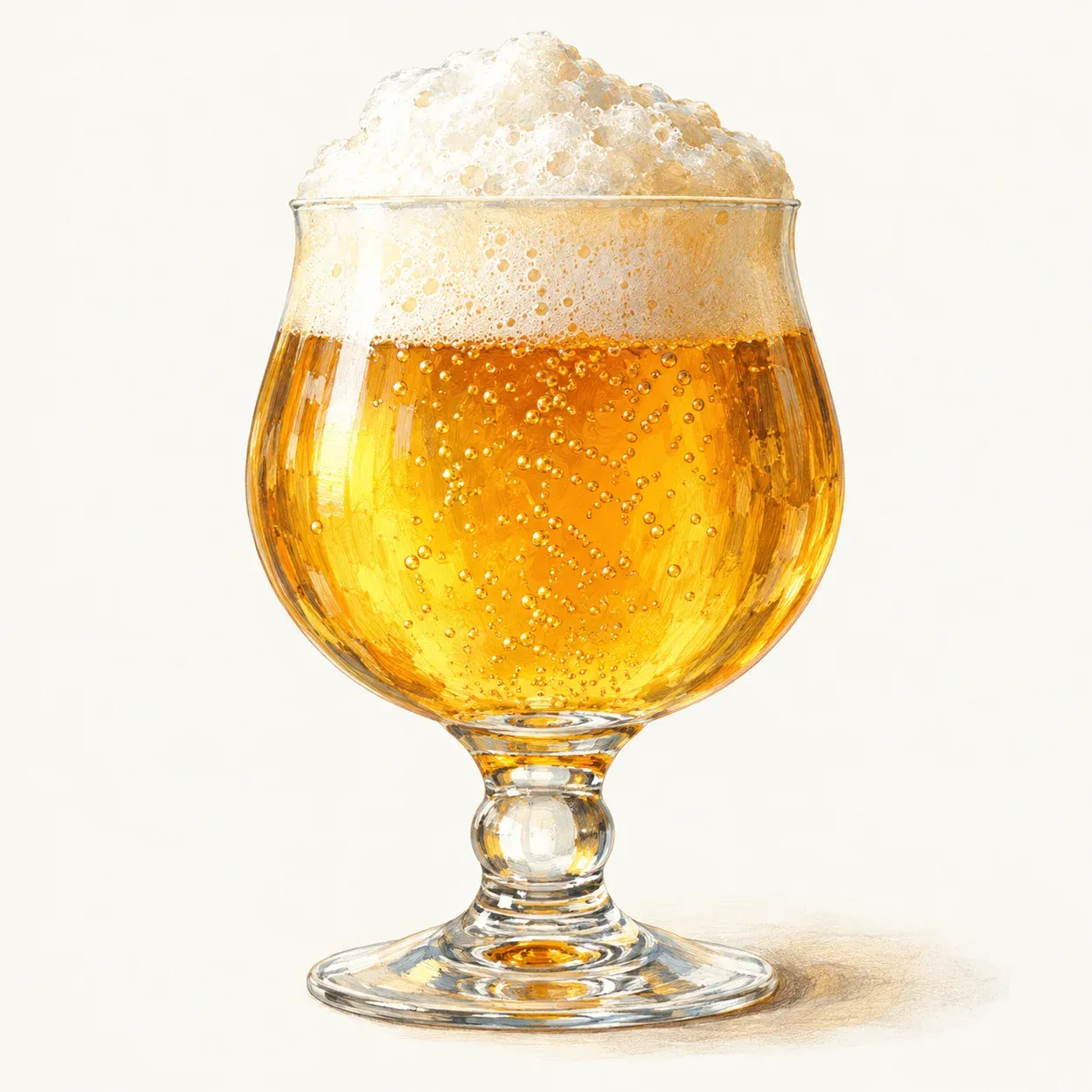
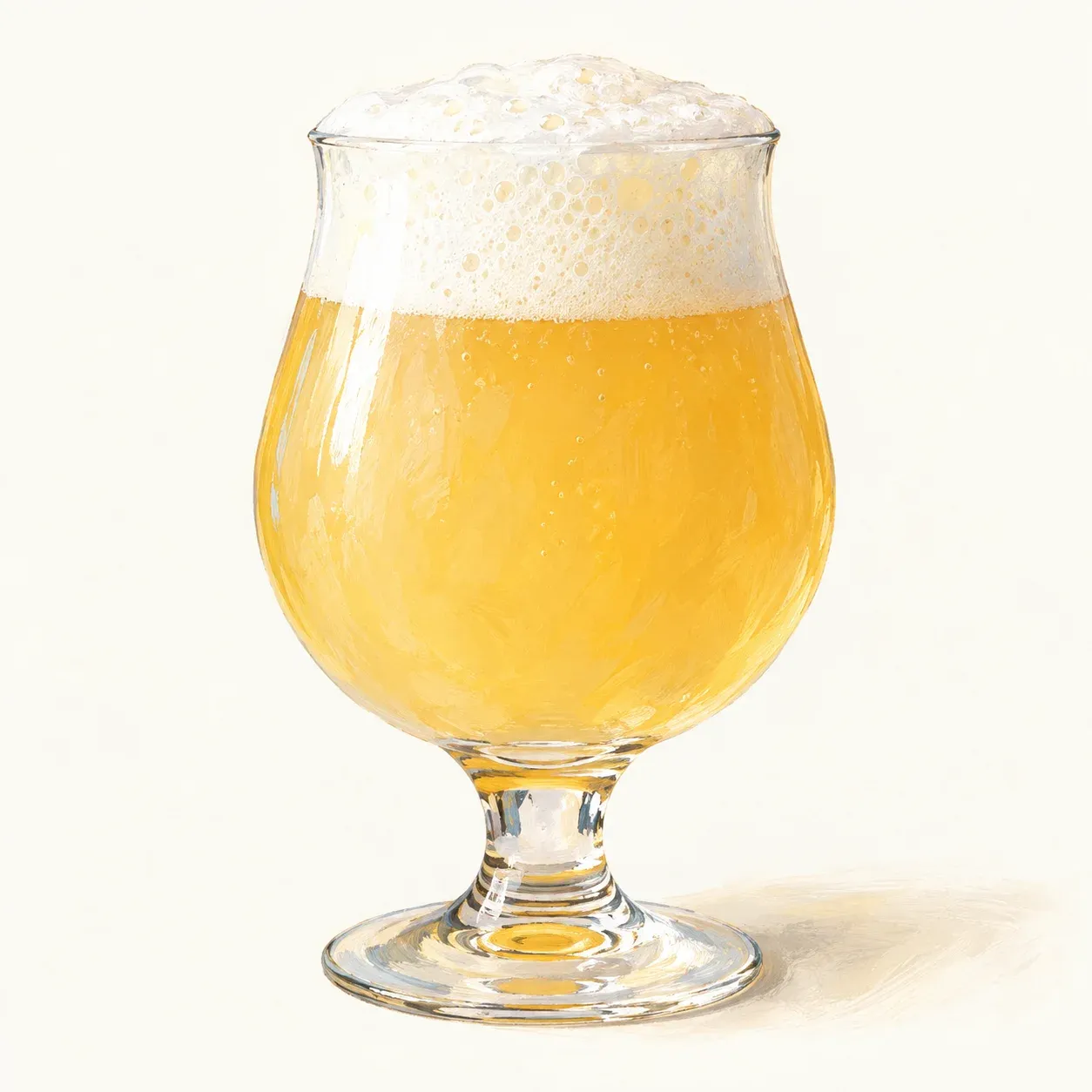
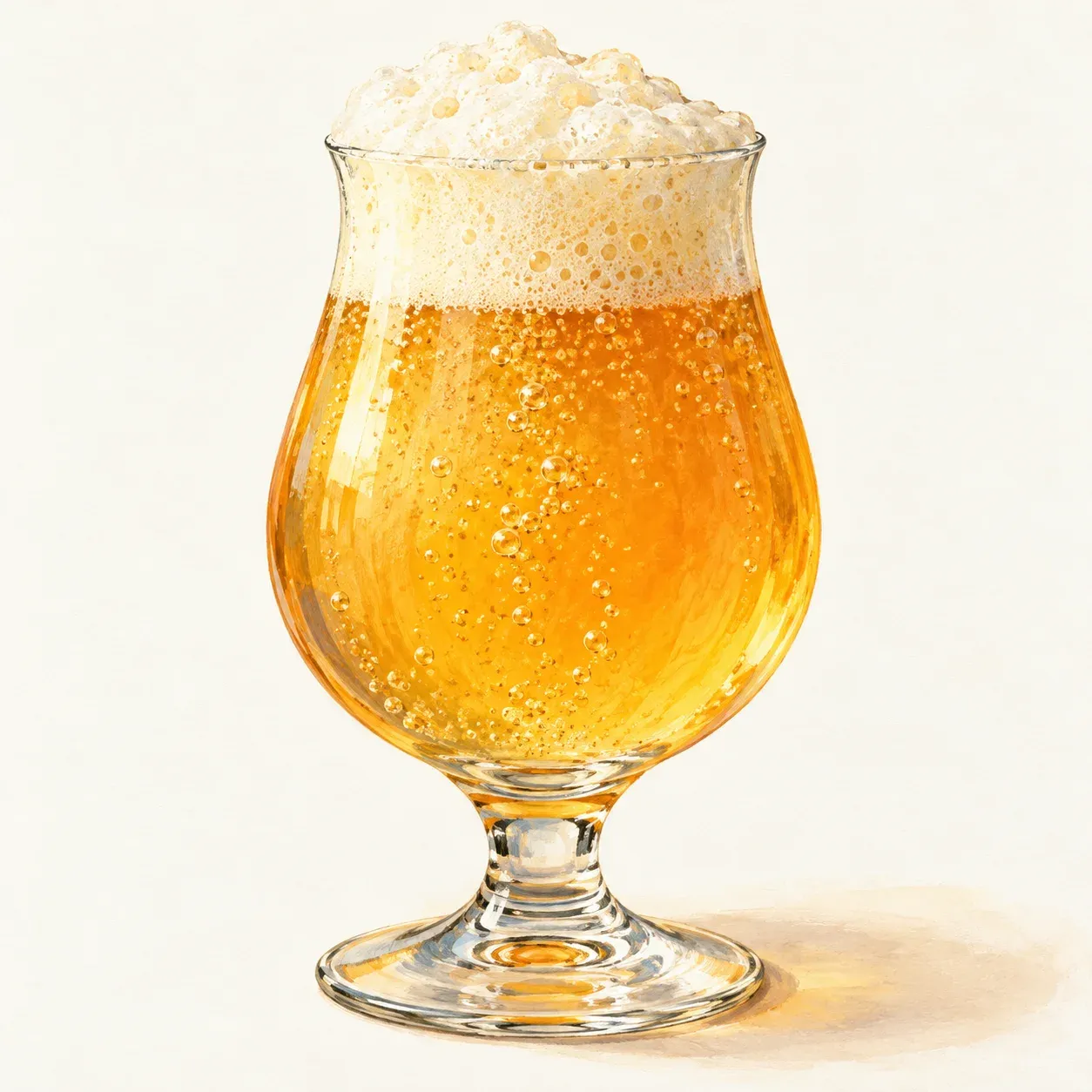
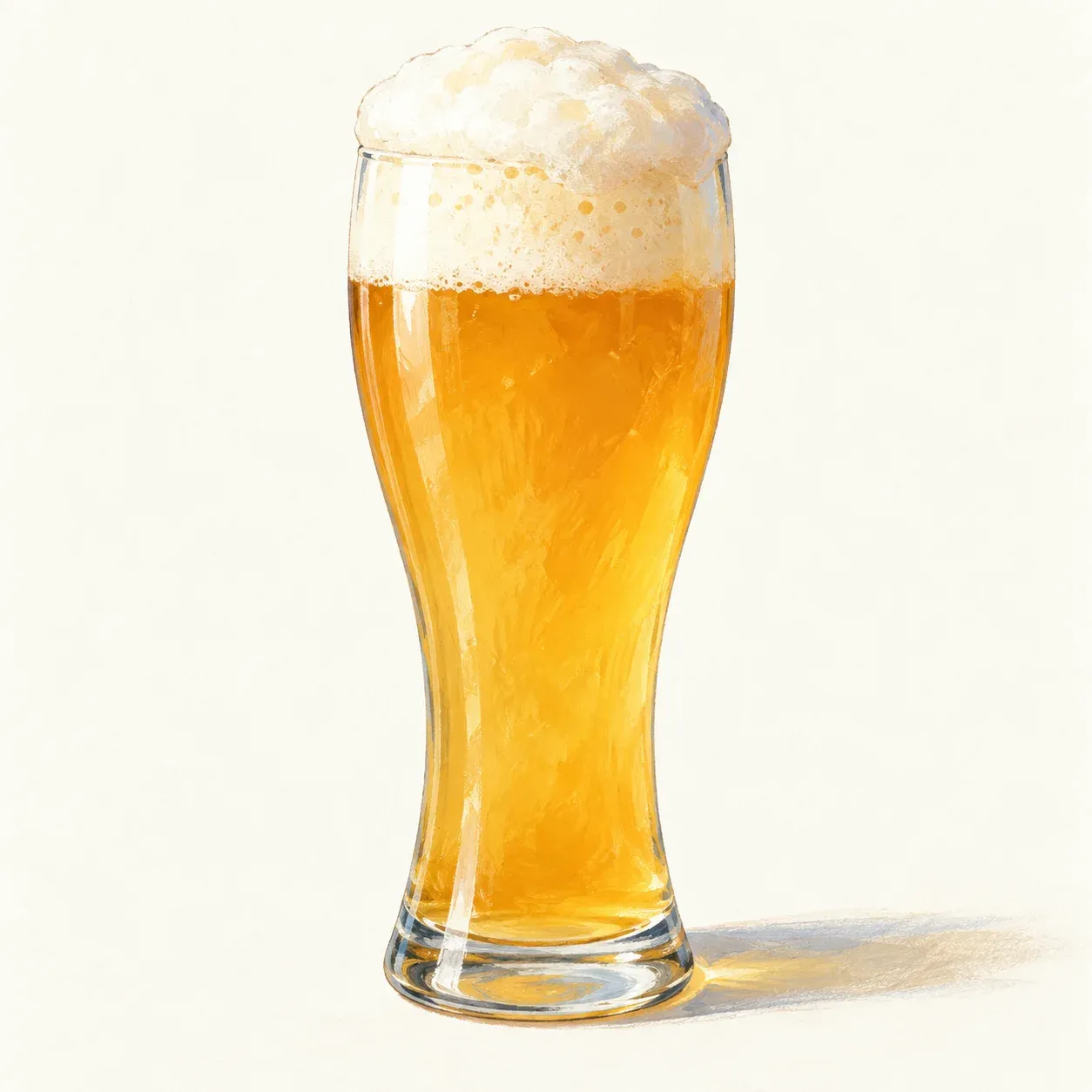
A Weissbier pours pale straw to gold, often hazy from wheat and yeast, under a thick, moussy white head that lasts. The yeast gives it its character: banana and clove, sometimes a touch of vanilla. Under that sits soft, doughy wheat, a low bitterness and a dry finish. The high carbonation makes it feel fluffy in the mouth.
Where it comes from
Bavaria brewed wheat beer before the 1500s, and for a long time only the royal family had the right to brew it. The modern Weissbier dates from 1872, when Schneider began brewing its amber version. The pale Weissbier you see today became popular only from the 1960s. Outside Bavaria people call it Hefeweizen, yeast wheat; filtered versions sell as Kristall.
Brewers use malted wheat for at least half the grist, with Pilsner malt, a weizen yeast fermented cool, and often a decoction mash. Drink it young: it does not age well.
How to serve it
Pour it slowly at 4–7 °C into a tall, curved wheat beer glass. For a cloudy glass, swirl the last of the bottle to lift the yeast and pour it in. It suits seafood, a fresh goat’s cheese and a key lime pie.
Next to its neighbours
Against an American wheat beer, a Weissbier has the banana and clove of its yeast and less bitterness. A dunkles Weissbier is darker and maltier. Witbier, Belgium’s wheat beer, gets its spice from coriander and orange peel instead of the yeast.
Weissbier in numbers
- Classic example
- Schneider
- Original gravity
- 1.044–1.053
- Final gravity
- 1.008–1.014
- Food
- Seafood; chèvre; key lime pie
- Classic examples
- Weihenstephaner Hefeweissbier; Schneider Weisse Original; Ayinger Bräu Weisse; Hacker-Pschorr Hefeweißbier; Hofbräuhaus Münchner Weisse
- BJCP style
- 10A Weissbier
Sources
Checked .
- 10A. Weissbier, 2021 Beer Style Guidelines — Beer Judge Certification Program
- German-Style Hefeweizen — CraftBeer.com, Brewers Association