Belgium
Belgium brews in two old traditions: the strong ales of its Trappist and abbey breweries, such as the tripel of Westmalle, and the spontaneously fermented lambics of the Pajottenland and the Zenne valley around Brussels, blended into gueuze.
Beer styles from Belgium
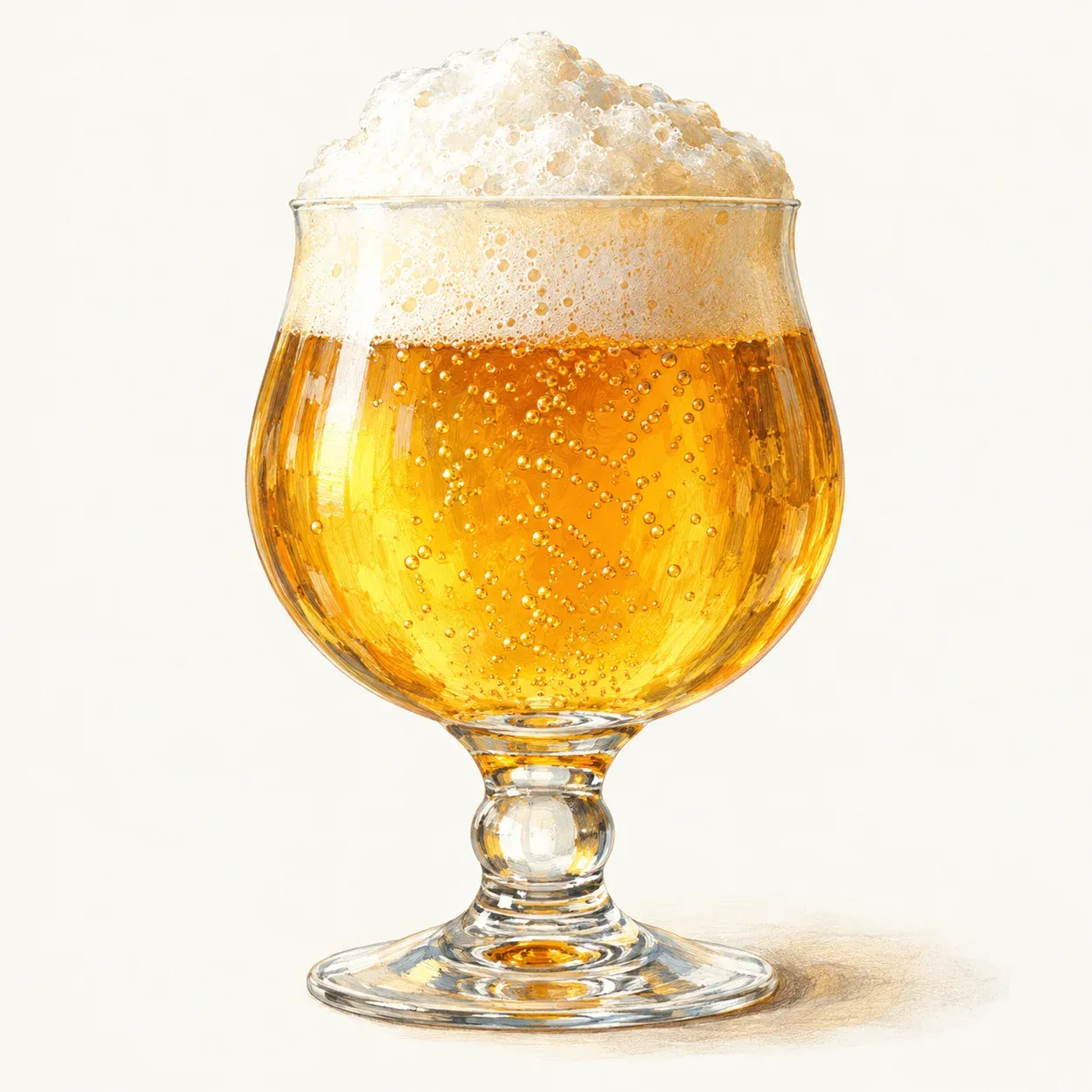
Belgian Tripel
AleBelgian Tripel: a strong, pale, dry abbey ale with spicy yeast and fruity notes, made famous by Westmalle. Strength, bitterness, glass and classic examples.
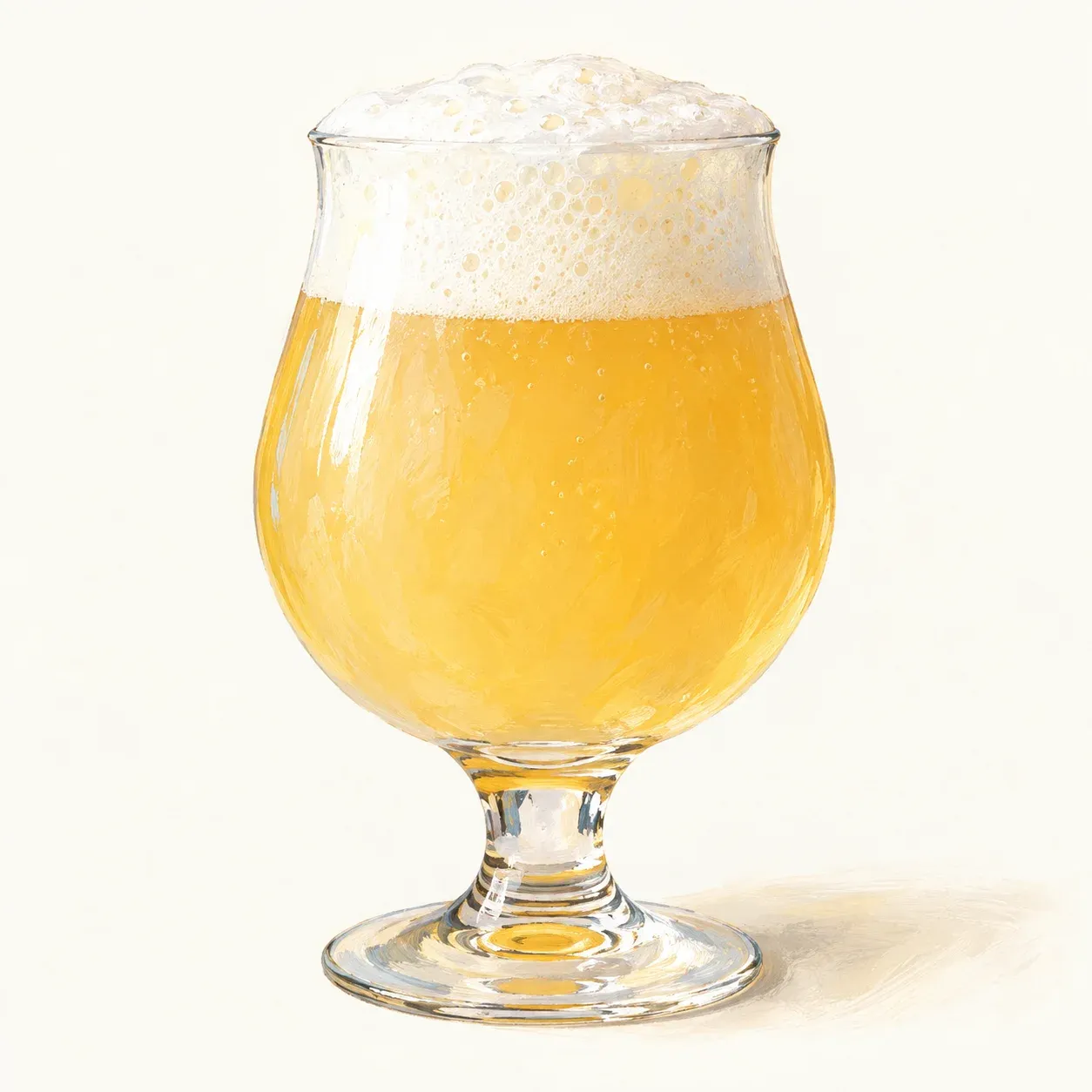
Witbier
AleWitbier: a hazy, pale Belgian wheat beer spiced with coriander and orange peel, revived by Pierre Celis in 1966. Strength, bitterness, glass and classic examples.
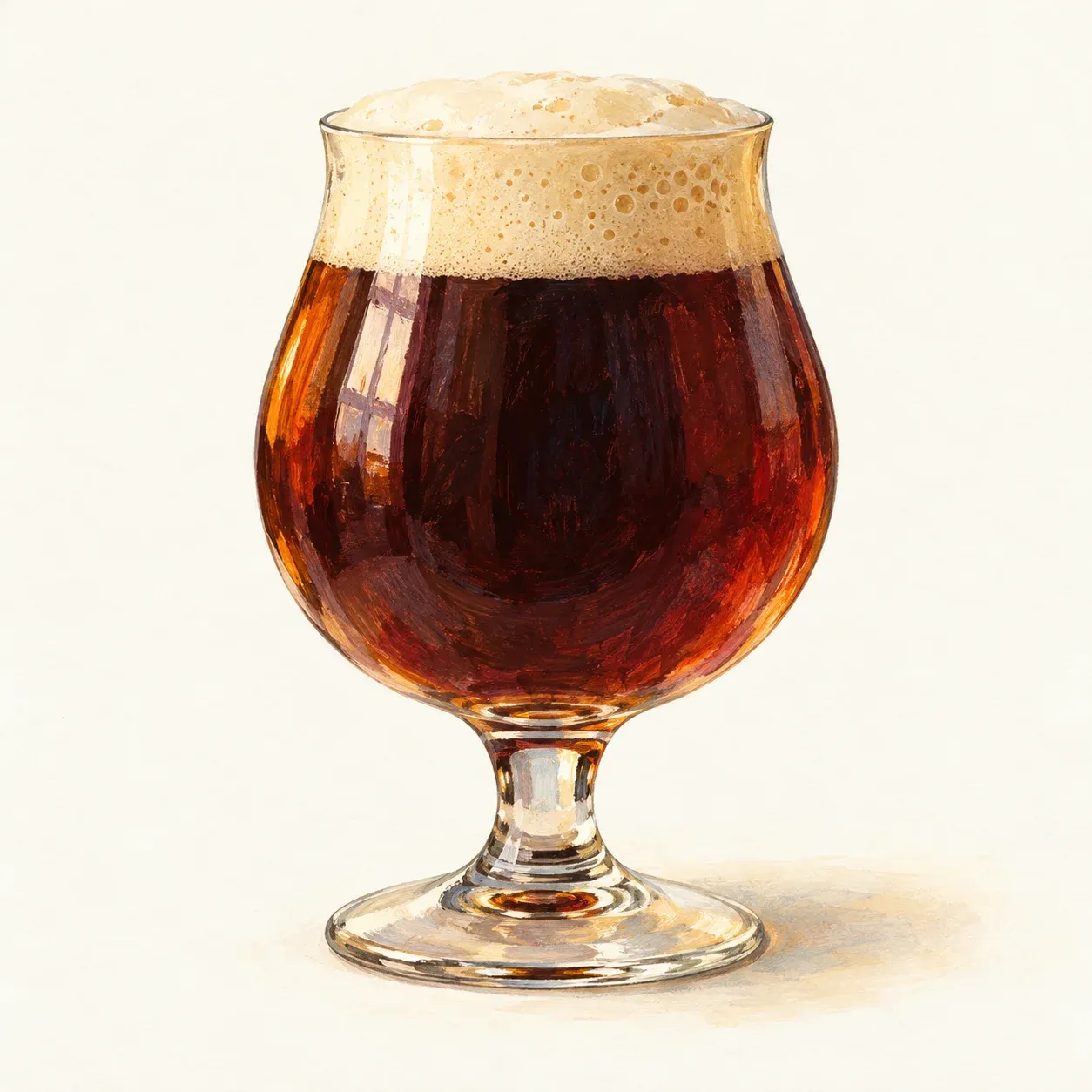
Belgian Dark Strong Ale (Quadrupel)
AleBelgian dark strong ale, or quad: a strong, rich abbey ale of dark fruit and spice, the style of Westvleteren 12 and Rochefort 10. Strength, glass and examples.
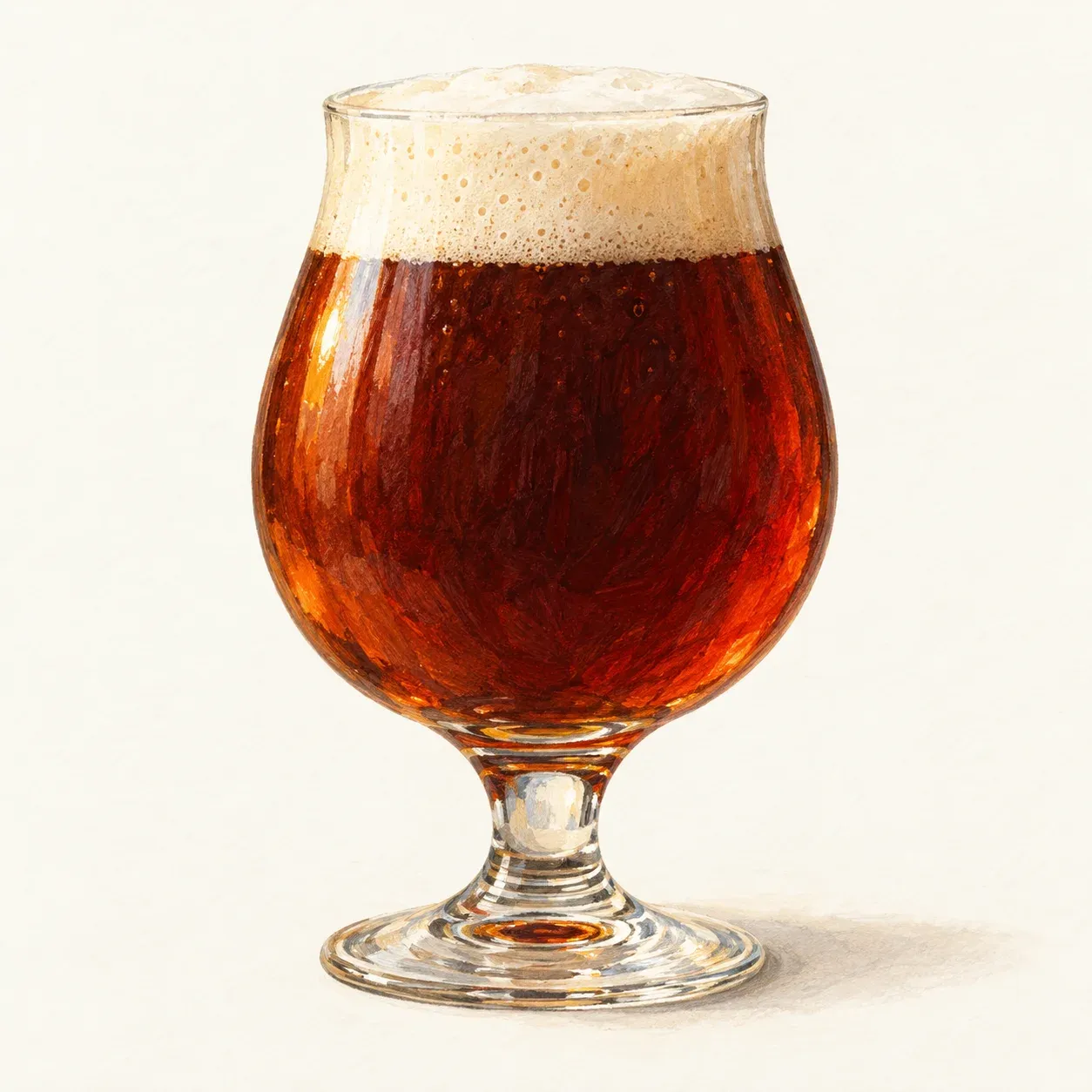
Belgian Dubbel
AleBelgian Dubbel: a reddish-copper abbey ale with rich malt, dried fruit and a dry finish, first brewed at Westmalle in 1922. Strength, bitterness, glass and examples.
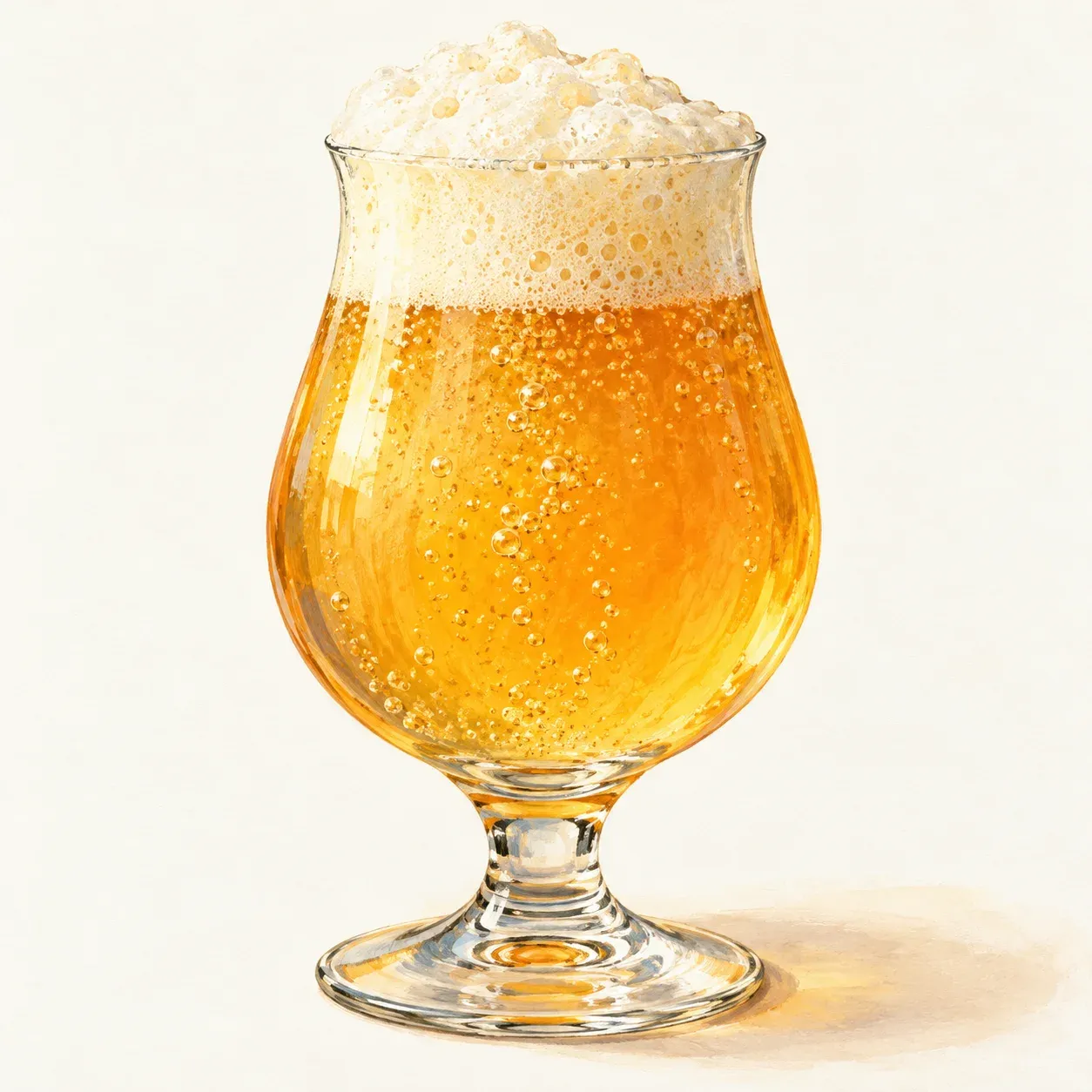
Saison
AleSaison: a dry, fizzy, peppery farmhouse ale from Wallonia, in table, standard and super strength. Strength, bitterness, glass and classic examples.
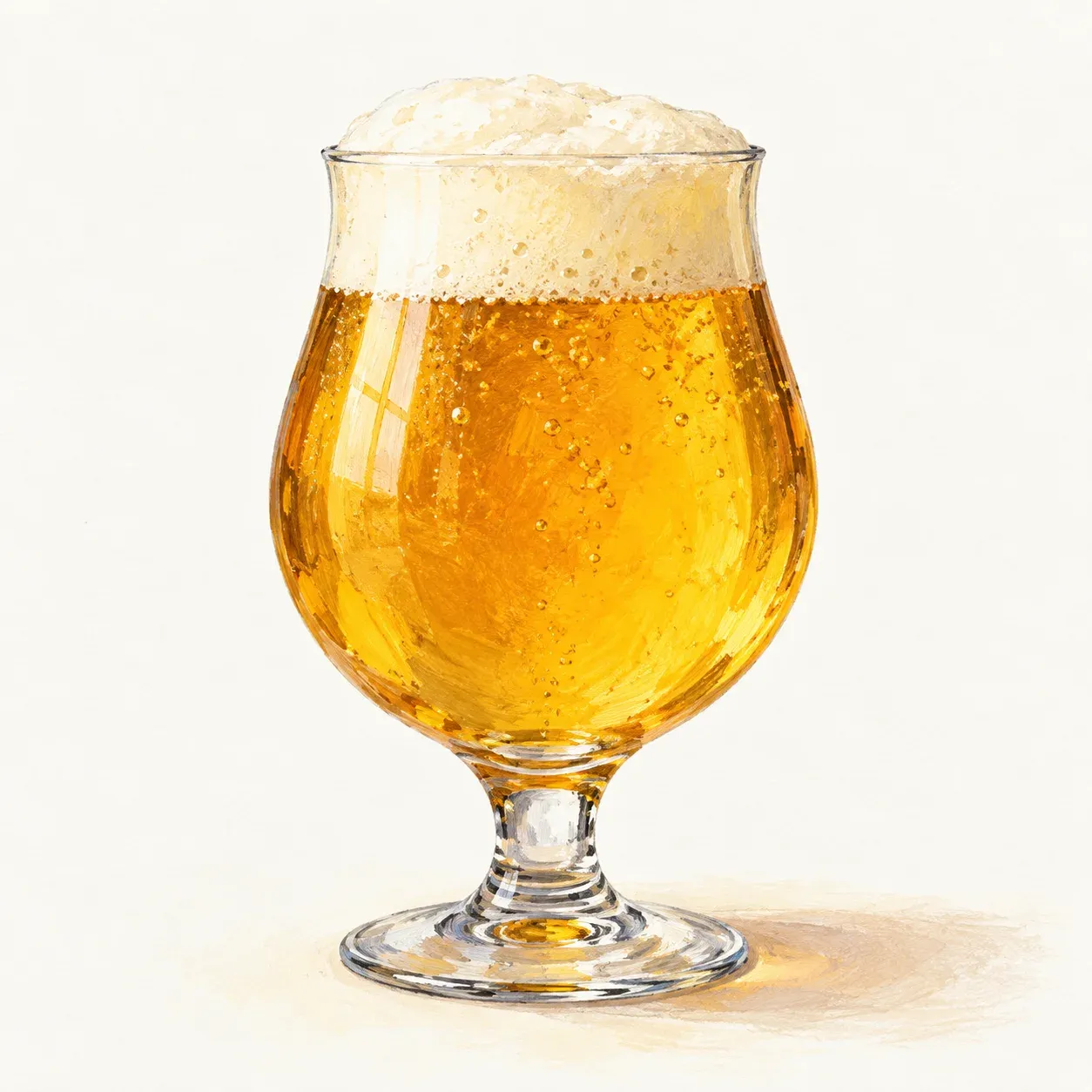
Belgian Blond Ale
AleBelgian Blond: a golden, smooth, moderately strong ale with soft spice from its yeast, popularised by Leffe after the Second World War. Strength, bitterness, glass and examples.
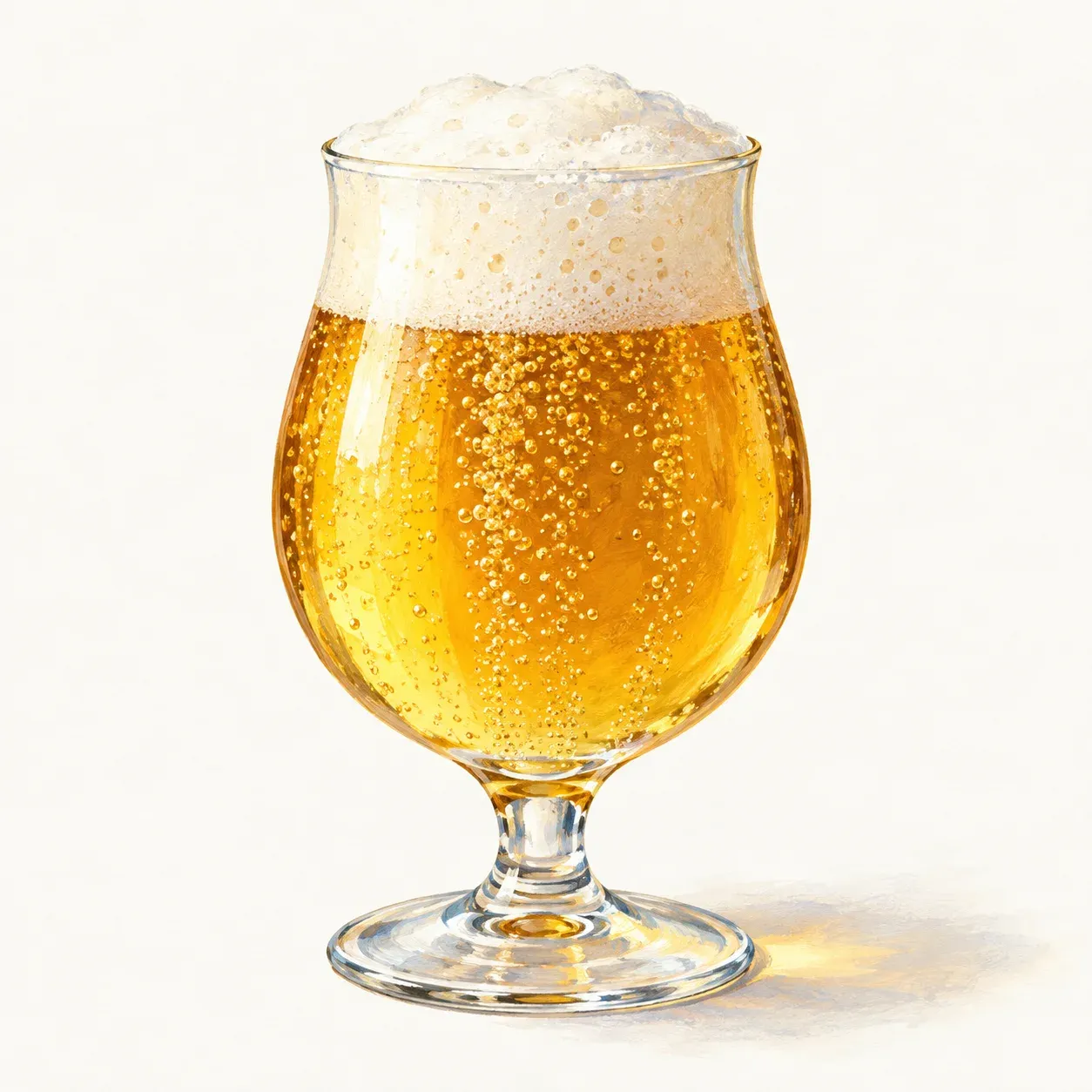
Gueuze
Wild & sourGueuze: a sparkling, sour Belgian wild beer blended from one-, two- and three-year-old lambic. Strength, colour, glass, the Oude Geuze rules and classic examples.
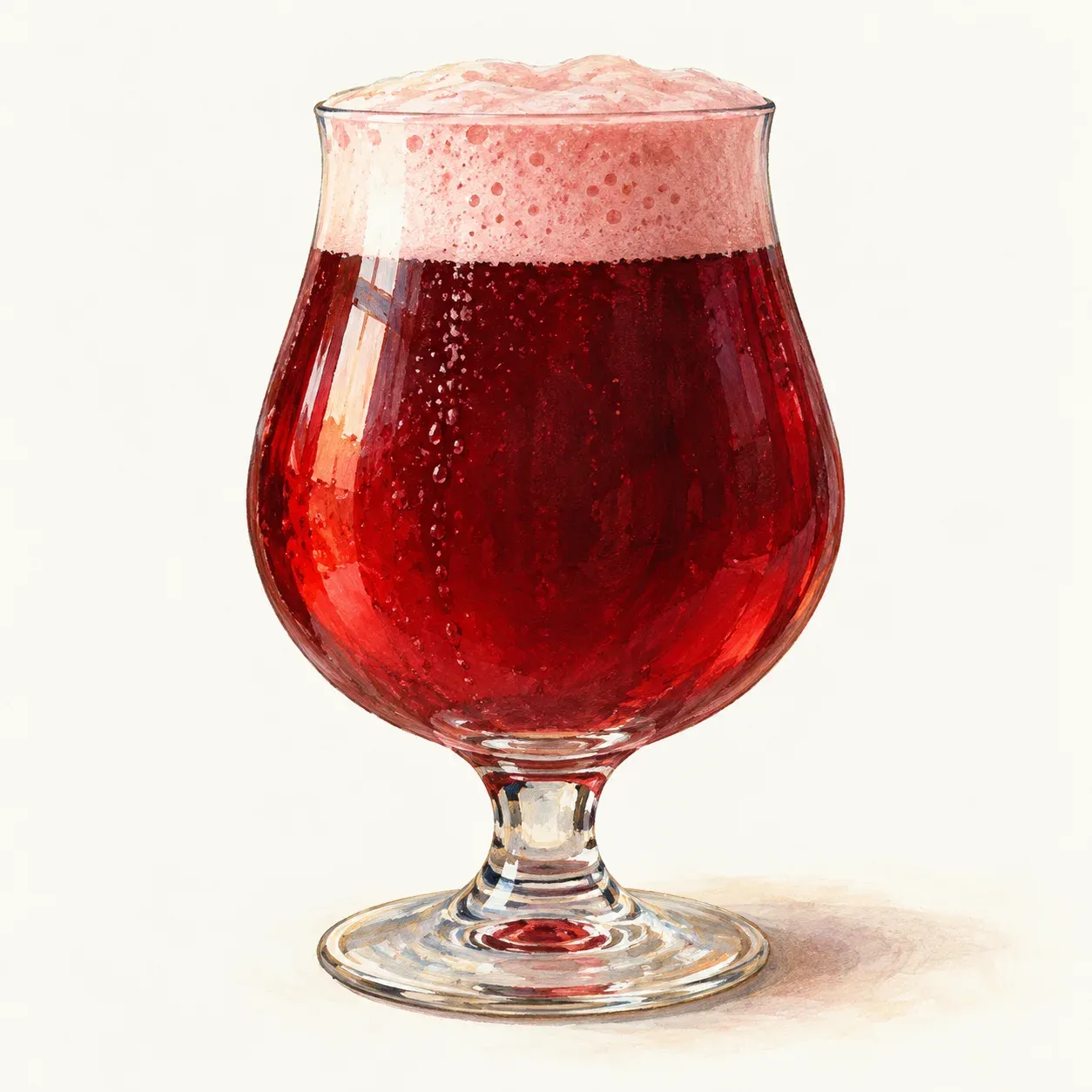
Kriek and Fruit Lambic
Wild & sourKriek and fruit lambic: sour Belgian lambic fermented again on cherries, raspberries or other fruit. Strength, glass, how it is made and classic examples.
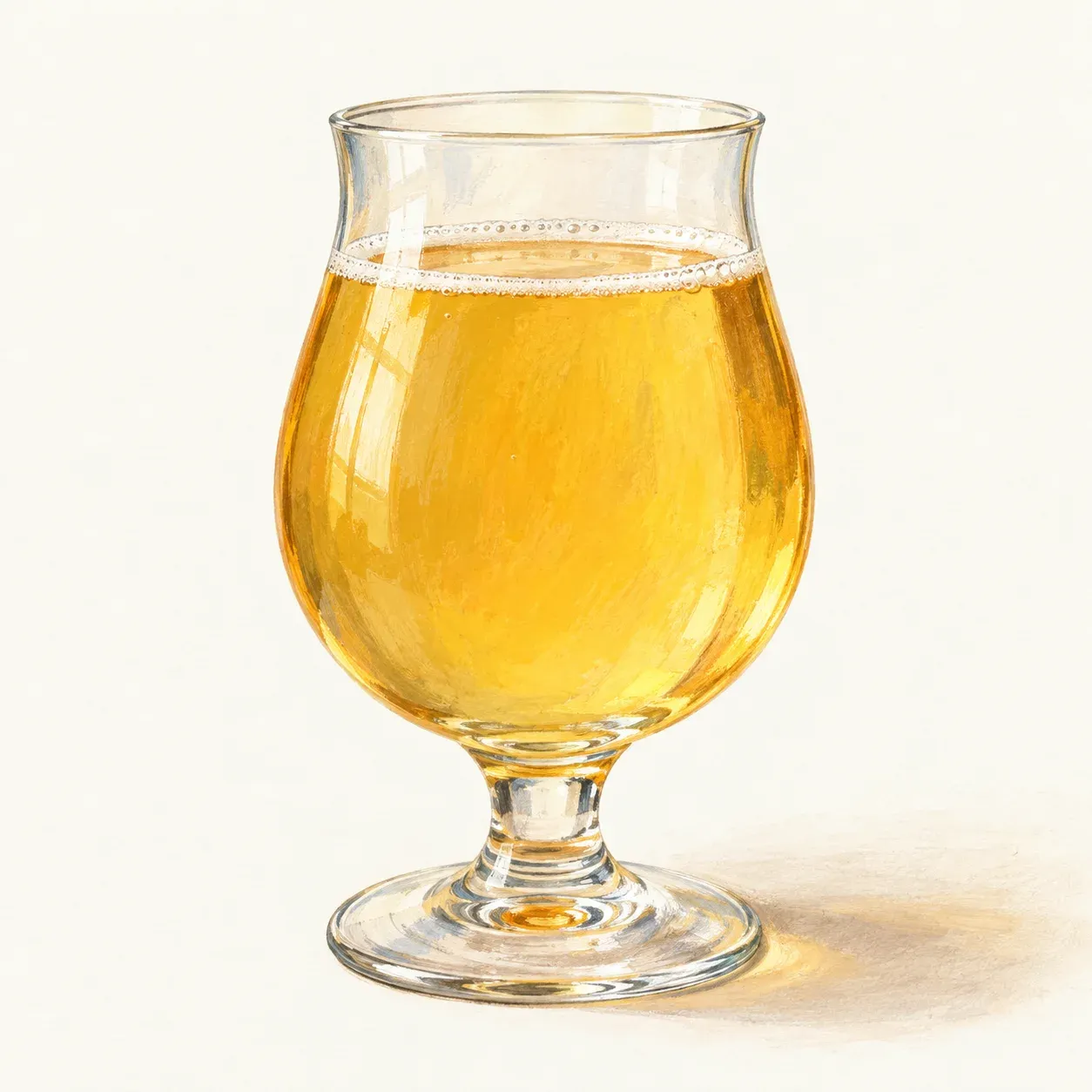
Lambic
Wild & sourLambic: a still, sour, wild wheat beer from around Brussels, fermented by the yeasts in the air and aged in oak. Strength, colour, glass and classic examples.